Overview of Laboratory Research Peptides
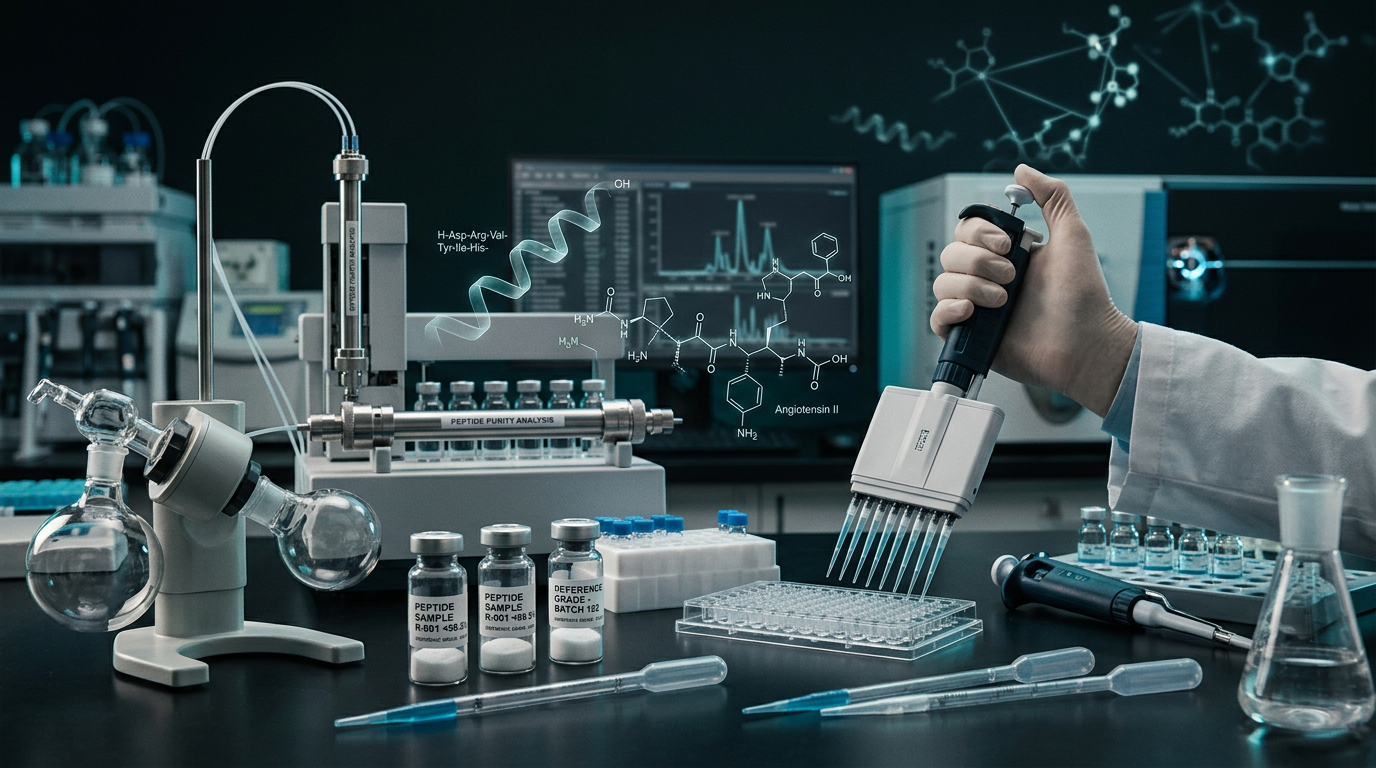
Laboratory research peptides are short chains of amino acids linked by peptide bonds, synthesized specifically for use in controlled experimental environments. These compounds serve as fundamental tools in biochemistry, pharmacology, and molecular biology, allowing researchers to investigate cellular signaling, protein-protein interactions, and enzymatic activities. Unlike naturally occurring proteins, these synthetic analogs can be precisely modified to enhance stability or mimic specific biological sequences.
The utility of these peptides stems from their high degree of specificity and the ability to customize their primary structure. By carefully selecting amino acid sequences, scientists can probe the functionality of endogenous ligands or develop novel substrates for diagnostic assays. The production of these compounds requires rigorous adherence to chemical purity standards to ensure experimental reproducibility across different laboratory settings.
Chemical Synthesis and Structural Integrity
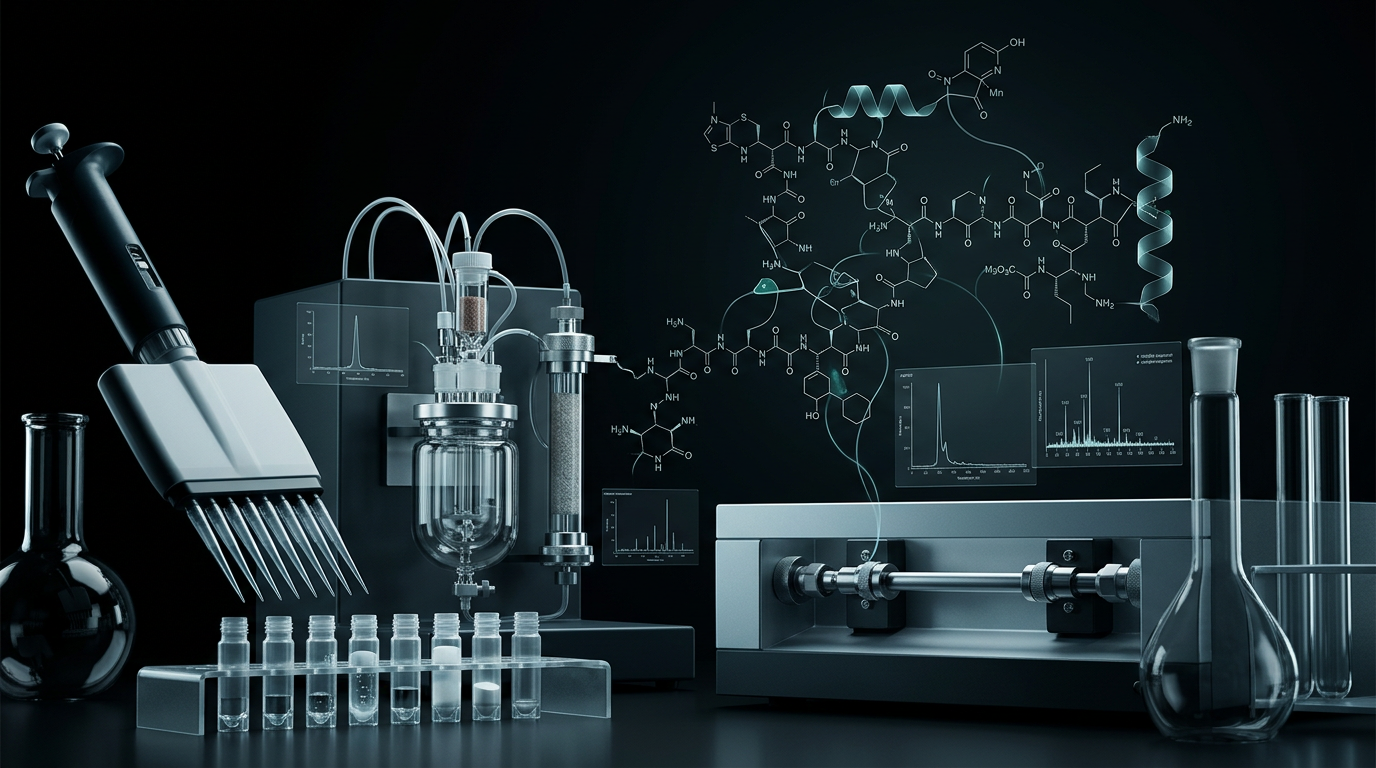
The synthesis of laboratory research peptides primarily utilizes Solid-Phase Peptide Synthesis (SPPS), a method involving the sequential addition of protected amino acids to an insoluble resin support. This technique allows for the efficient removal of byproducts at each coupling step, resulting in a high-yield crude product. Following synthesis, the peptides undergo global deprotection and cleavage from the resin, requiring precision to maintain the integrity of the side chains.
To verify the structural identity and purity of the resulting compounds, researchers employ analytical techniques such as High-Performance Liquid Chromatography (HPLC) and Mass Spectrometry (MS). HPLC facilitates the separation of the target peptide from truncated sequences or isomers, while MS provides definitive confirmation of the molecular weight. Maintaining a high purity threshold, often exceeding 98%, is critical for minimizing off-target effects in complex biological assays.
Mechanisms of Action in In Vitro Models
In the context of in vitro research, laboratory research peptides often function as agonists or antagonists for specific cell-surface receptors, such as G-protein coupled receptors (GPCRs). By binding to these targets, peptides can initiate or inhibit downstream signaling cascades, providing insights into legislative pathways governing metabolism, growth, and cellular repair. Their small size and modular nature make them ideal for structure-activity relationship (SAR) studies.
Furthermore, these peptides are utilized in the development of antimicrobial assays and vaccine research. By mimicking viral or bacterial epitopes, researchers can study immune system recognition and the activation of proteolytic enzymes. The variability of peptide kinetics, including half-life and degradation patterns, remains a primary focus of investigation when observing their behavior in simulated physiological buffers or cell culture media.
Stability and Handling Considerations
The physical stability of laboratory research peptides is highly dependent on their sequences and environmental conditions. Factors such as pH, temperature, and exposure to light can induce chemical degradation, including oxidation of methionine residues or deamidation of asparagine. To mitigate these risks, peptides are typically supplied as lyophilized (freeze-dried) powders, which offer superior long-term stability compared to aqueous solutions.
Laboratory protocols dictate that reconstituted peptides should be aliquoted to avoid repeated freeze-thaw cycles, which can lead to aggregation or loss of biological activity. Success in the lab often depends on the use of sterile, non-pyrogenic water or specialized buffers for reconstitution. Precision in concentration calculations and the use of low-protein-binding plastics are also recommended to ensure the accuracy of quantitative biological measurements.
Research Use Only Limitation
The laboratory research peptides discussed in this article are intended strictly for in vitro or animal-based laboratory experimentation. They are not designed, approved, or intended for human or veterinary diagnostic or therapeutic use. The chemical and physical properties described herein are for educational and informational purposes, facilitating the advancement of scientific knowledge within a qualified research framework.
Under no circumstances should these substances be used for clinical applications, medical treatments, or as food additives. Proper safety equipment and institutional biosafety protocols must be followed when handling these reagents. It is the responsibility of the clinical investigator or laboratory manager to ensure that the use of these peptides complies with all local and international regulatory requirements regarding research-only materials.
More questions?
Ask our Support Team — they can answer follow-up questions about this topic, COAs, storage, or anything else in the research library.
Tap the "Chat with us" tab on the right edge of any page.