Introduction to Synthetic Peptide Research Compounds
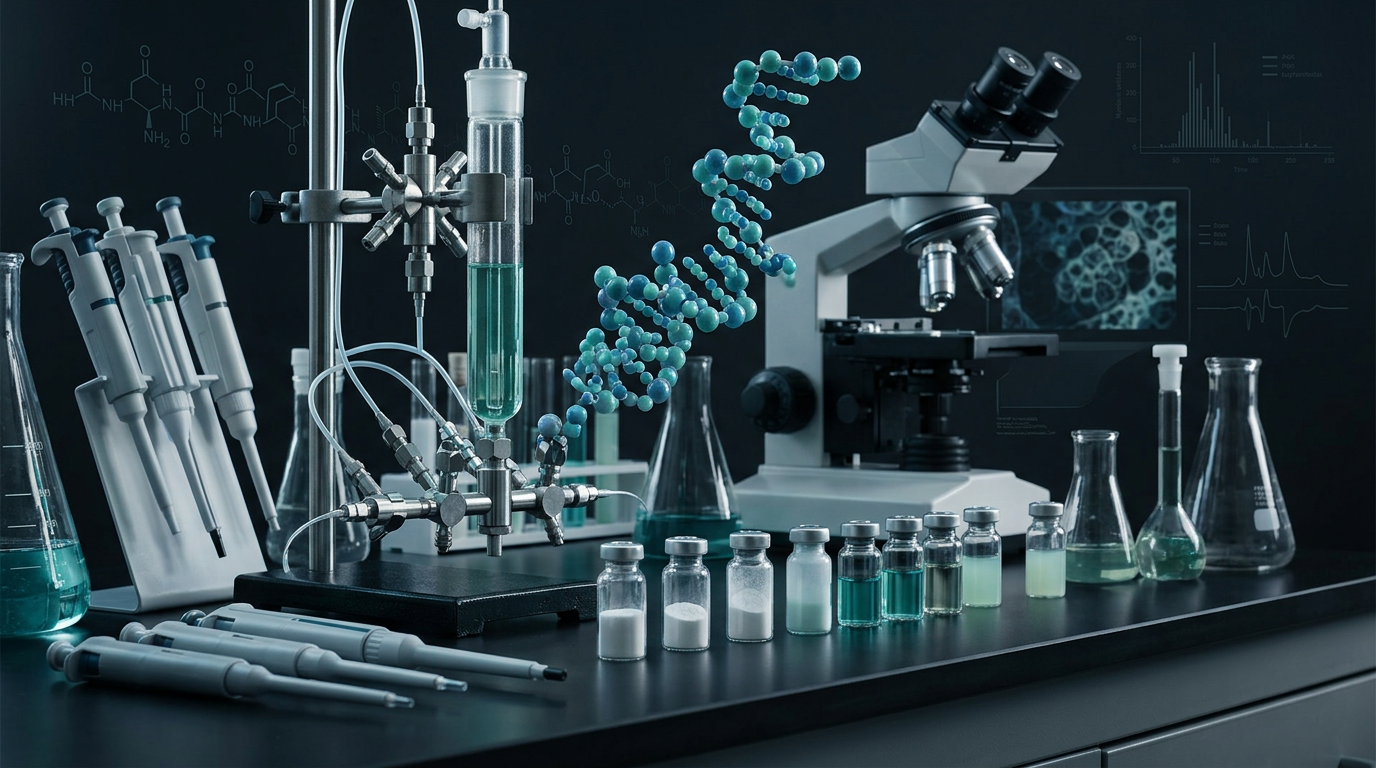
Synthetic peptide research compounds are short chains of amino acids linked by peptide bonds, engineered through chemical synthesis rather than biological extraction. These compounds are designed to replicate or modify the structures of naturally occurring proteins to study cellular signaling, enzymatic interactions, and molecular pharmacology. Unlike full-length proteins, these peptides maintain specific biological activity while offering greater stability and ease of modification in vitro.
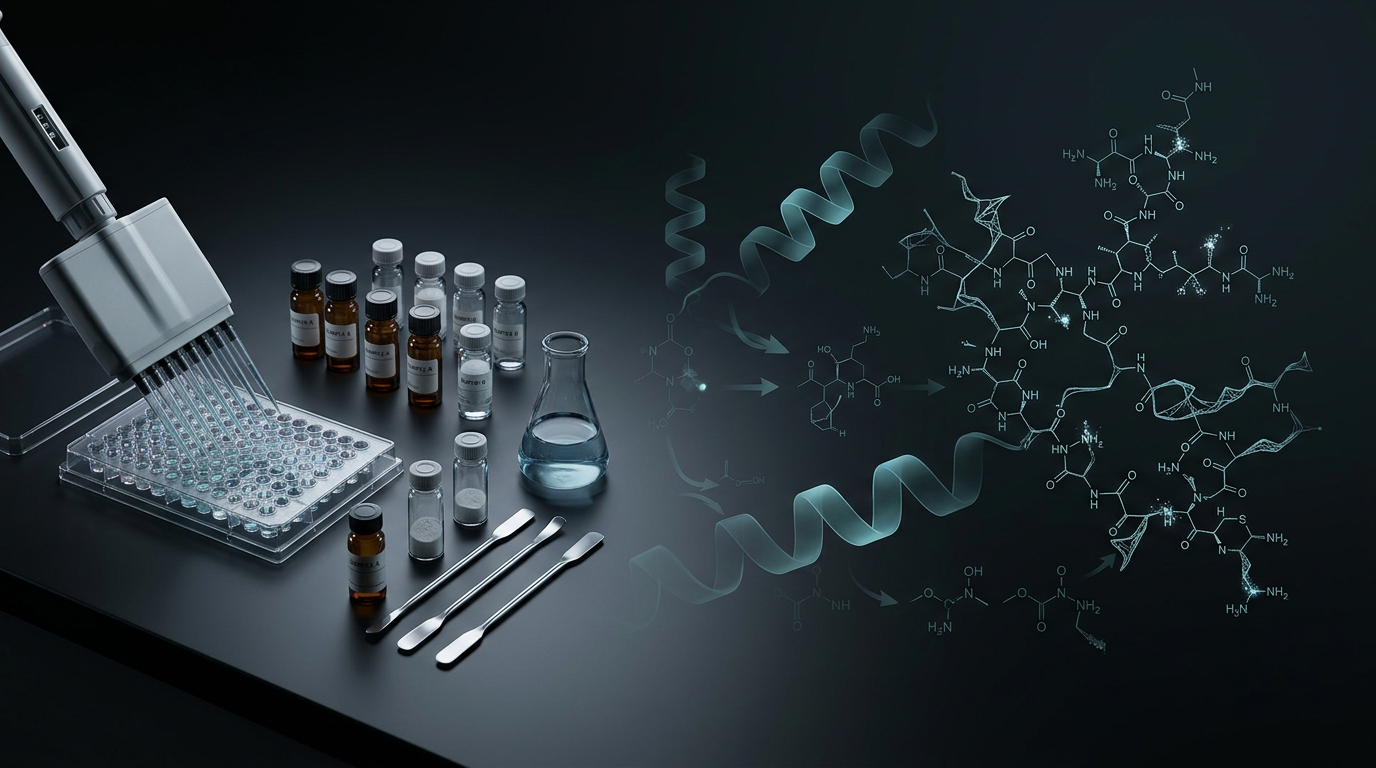
The primary utility of these compounds in a laboratory setting involves the exploration of structure-activity relationships (SAR). By systematically altering the amino acid sequence, researchers can observe how specific changes impact binding affinity and metabolic stability, providing essential data for biochemical mapping.
Chemical Synthesis and Purity Standards
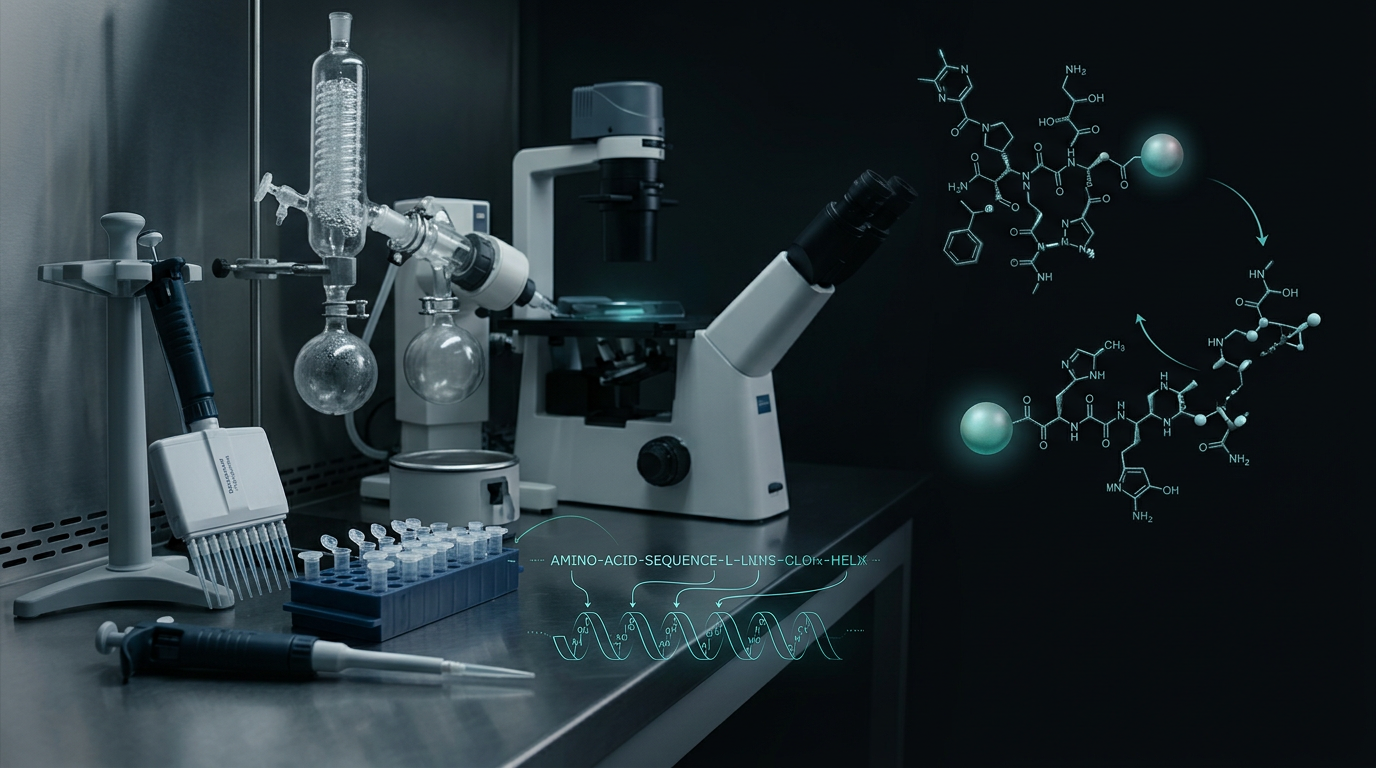
The production of synthetic peptide research compounds typically utilizes Solid-Phase Peptide Synthesis (SPPS). This method involves the sequential addition of protected amino acids to a solid resin support. The process allows for high precision in the sequence assembly, facilitating the creation of complex peptides that may include non-proteinogenic amino acids or post-translational modifications like phosphorylation or cyclization.
Following synthesis, these compounds must undergo rigorous purification, usually via High-Performance Liquid Chromatography (HPLC), to remove truncated sequences and residual reagents. In the context of scientific inquiry, a purity level of 98% or higher is generally required to ensure that experimental observations are attributable to the peptide itself rather than chemical impurities.
Mechanisms of Action in Laboratory Models
In a controlled research environment, synthetic peptide research compounds serve as ligands for various cell-surface receptors, including G-protein coupled receptors (GPCRs) and receptor tyrosine kinases. Because they mimic endogenous signaling molecules, they are indispensable tools for studying signal transduction pathways and gene expression regulation.
Researchers also utilize these peptides to investigate protease activity and inhibition. By designing peptides that act as substrates or competitive inhibitors, laboratories can characterize the kinetics of proteolytic enzymes, which is critical for understanding protein degradation cycles and cellular homeostasis.
Laboratory Handling and Stability Considerations
The integrity of synthetic peptide research compounds is highly dependent on environmental conditions. Peptides are susceptible to degradation through hydrolysis and oxidation, particularly when exposed to moisture, light, or fluctuating temperatures. Most synthetic peptides are supplied as lyophilized (freeze-dried) powders, which are significantly more stable than peptides in solution.
Proper reconstitution is a critical step in the research workflow. The choice of solvent—whether sterile water, saline, or an organic solvent like DMSO—depends on the peptide's hydroelectric point and hydrophobicity. Researchers must avoid repeated freeze-thaw cycles, as this mechanical stress can lead to peptide aggregation and loss of biological potency.
Laboratory Research Use Only Disclaimer
The synthetic peptide research compounds discussed in this article are intended strictly for laboratory research purposes and in vitro experimentation. These substances are not biological products, drugs, or medical devices, and they have not been approved for the diagnosis, treatment, or prevention of any disease or medical condition.
Under no circumstances should these compounds be used for human or animal consumption. Handling should be restricted to qualified professionals in a controlled laboratory setting, adhering to all local and federal biosafety regulations. The data provided herein is for educational purposes and does not constitute therapeutic recommendations.
More questions?
Ask our Support Team — they can answer follow-up questions about this topic, COAs, storage, or anything else in the research library.
Tap the "Chat with us" tab on the right edge of any page.