Introduction to Peptide Procurement in Laboratory Settings
The procurement of synthetic peptides is a critical step in physiological and biochemical research. When sourcing compounds from a research peptide store, investigators must prioritize chemical identity and purity levels to ensure data reproducibility. Synthetic peptides are typically produced via Solid-Phase Peptide Synthesis (SPPS), a process that, while efficient, can introduce truncated sequences or byproduct impurities if not rigorously monitored.
For the laboratory researcher, the selection of a supplier involves more than inventory availability; it requires a verification of analytical documentation. High-purity peptides are essential for characterizing biological pathways, as even trace contaminants can lead to off-target effects or unintended cellular responses in vitro or in vivo.
Analytical Validation: HPLC and MS Analysis
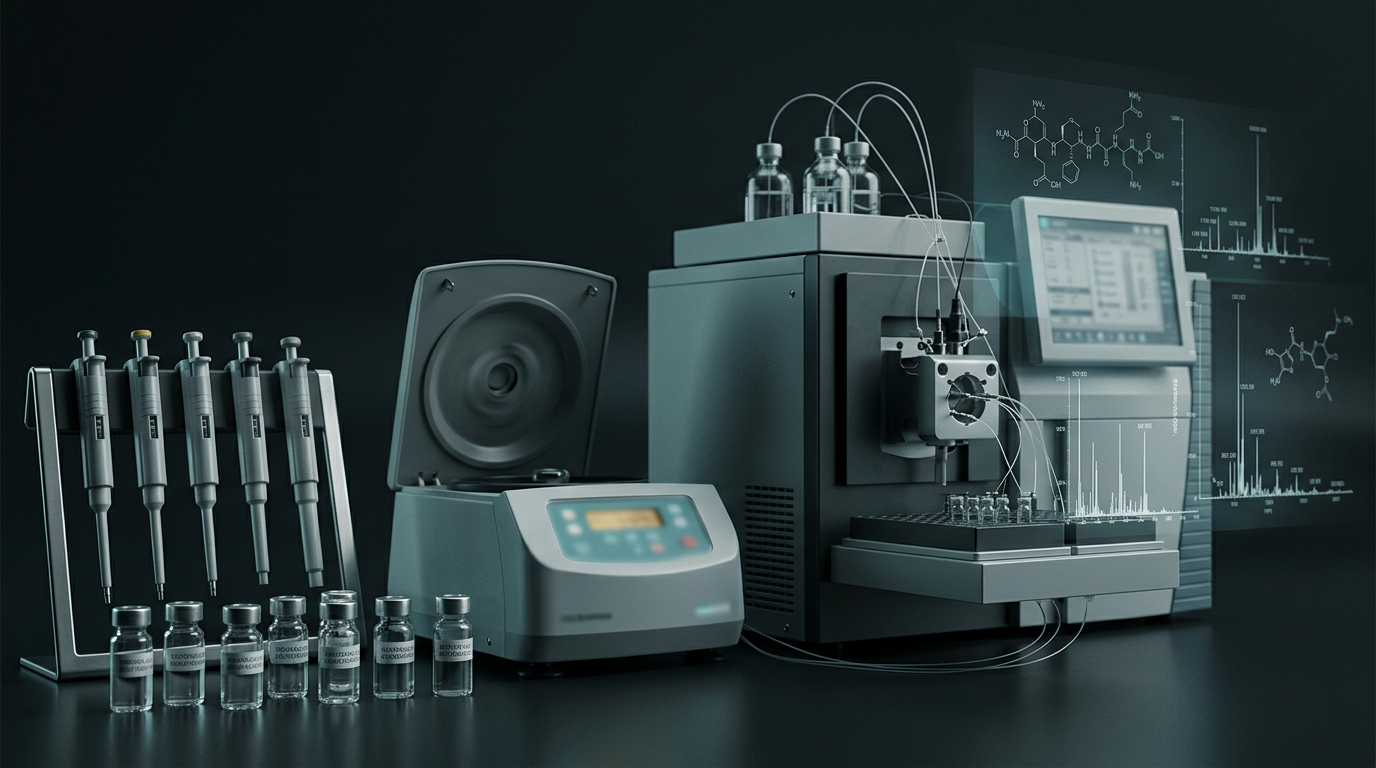
A reputable research peptide store provides comprehensive analytical data for every batch, primarily through High-Performance Liquid Chromatography (HPLC) and Mass Spectrometry (MS). HPLC is utilized to determine the chemical purity of the peptide, with most research applications requiring a purity threshold of 98% or higher. This process separates the target sequence from synthesis byproducts, such as diastereomers or chemically modified fragments.
Mass Spectrometry serves as the definitive tool for identity verification. By measuring the mass-to-charge ratio of the ionized particles, MS confirms that the molecular weight of the synthesized compound matches the theoretical weight of the intended sequence. Together, these methods form the gold standard for quality control in peptide manufacturing.
Synthetic Challenges and Impurity Profiles
During the synthesis process within a research peptide store’s facility, several variables can influence the final product. Common impurities include 'deletion sequences,' where an amino acid fails to couple, or 'incomplete deprotection' residues. Furthermore, the presence of residual trifluoroacetic acid (TFA), used during the cleavage of the peptide from the resin, can affect the pH of experimental buffers and impact cellular viability in specific assays.
Investigators should be aware that different applications necessitate different counter-ion considerations. While TFA is standard, certain sensitive biological models may require salt exchange to acetate or hydrochloride forms. Understanding these nuances is vital for the integrity of the experimental design and the accuracy of the resulting data.
Stability and Practical Laboratory Handling
The stability of products obtained from a research peptide store is highly dependent on the amino acid sequence and the storage conditions. Peptides are susceptible to degradation through mechanisms such as oxidation (particularly those containing Cysteine or Methionine) and deamidation. To mitigate these risks, long-term storage should occur at -20°C or -80°C in a desiccated, lyophilized state.
When preparing for use, researchers should allow the vial to reach room temperature before opening to prevent atmospheric moisture from condensing on the lyophilized powder. Reconstitution should be performed using sterile, deoxygenated solvents, and once in solution, the peptide’s shelf life is significantly reduced, often requiring immediate use or single-use aliquoting to prevent freeze-thaw degradation.
Laboratory Research Use Only Disclaimer
All biochemical reagents and compounds provided by a research peptide store are strictly intended for laboratory research and development purposes only. These substances are not for use in diagnostic procedures, nor are they intended for human or animal consumption.
This article does not provide medical advice or therapeutic recommendations. It is the responsibility of the qualified researcher to adhere to local institutional biosafety protocols and regulatory guidelines when handling synthetic peptides. No clinical or therapeutic applications are implied or endorsed.
More questions?
Ask our Support Team — they can answer follow-up questions about this topic, COAs, storage, or anything else in the research library.
Tap the "Chat with us" tab on the right edge of any page.