Introduction to Research Peptides
Peptides are short chains of amino acids linked by peptide bonds, typically containing between two and fifty residues. In the context of biochemical investigation, research peptides serve as essential tools for mapping cellular signaling pathways, investigating protein-protein interactions, and probing enzymatic activities. These compounds are synthesized to replicate or modify naturally occurring sequences, providing a controlled means of observing biological phenomena at the molecular level.
The utility of these molecules stems from their high specificity and relative ease of synthesis compared to full-length proteins. By utilizing automated solid-phase peptide synthesis (SPPS), laboratories can produce highly purified sequences tailored to specific investigative requirements, allowing for the systematic study of structure-activity relationships.
The Biochemistry of Peptide Synthesis and Purity
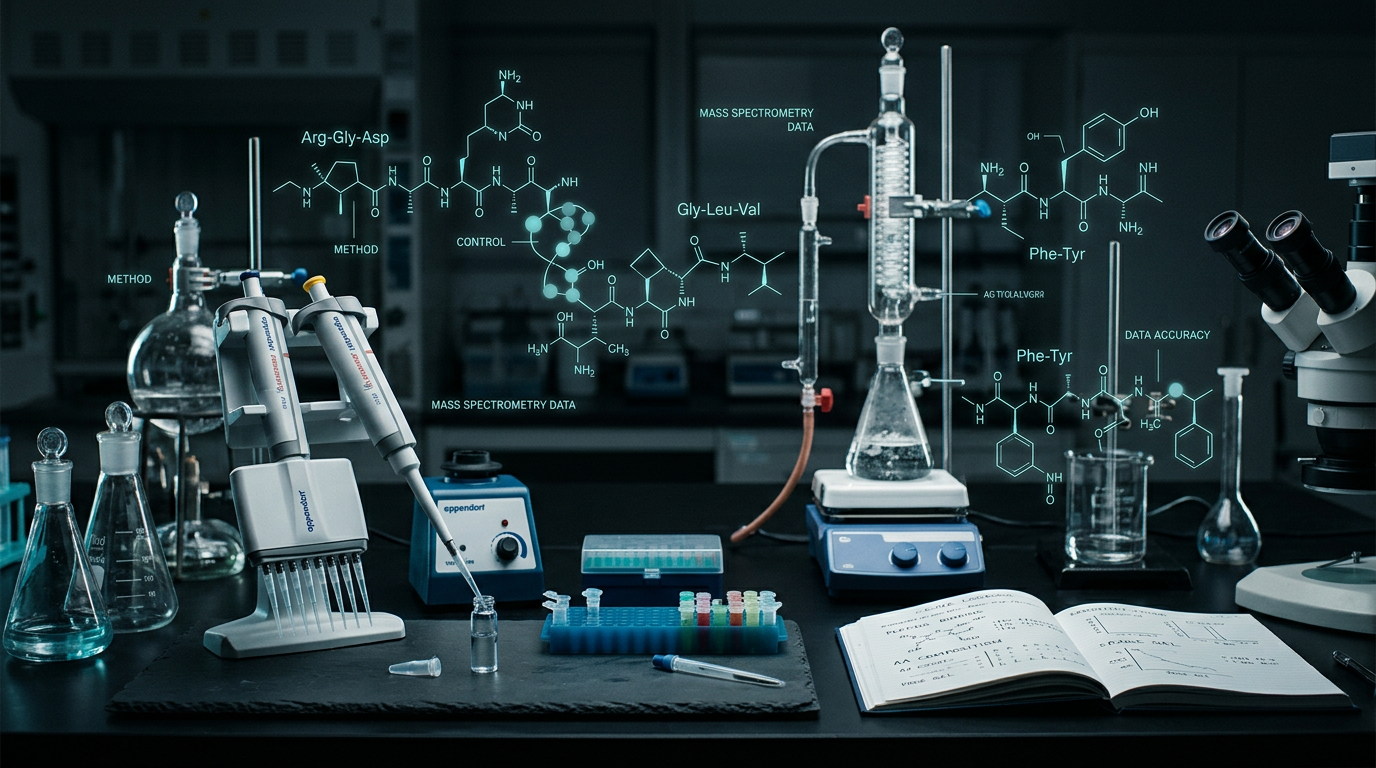
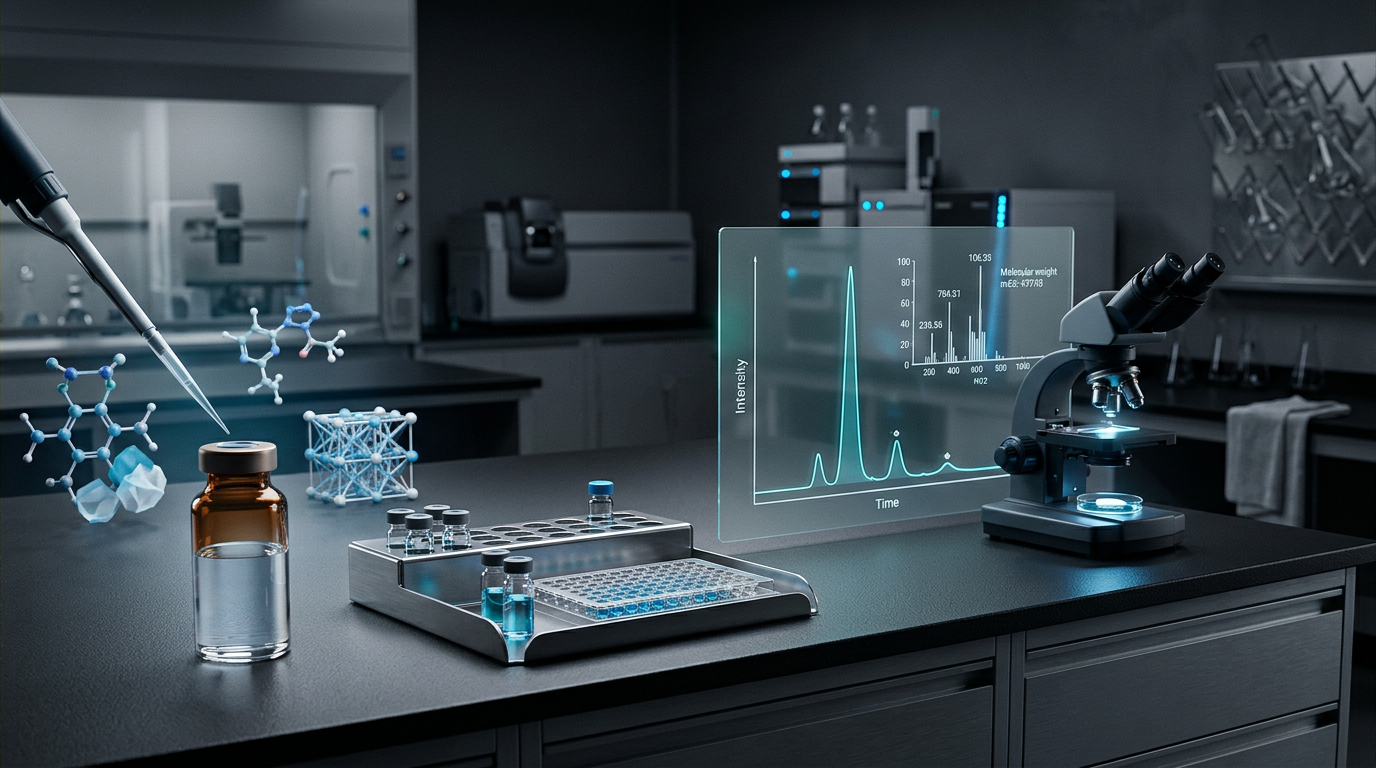
The production of high-quality research peptides relies on the sequential addition of protected amino acids to a solid resin support. This process involves repeated cycles of deprotection, activation, and coupling. Once the desired sequence is complete, the peptide is cleaved from the resin and purified using High-Performance Liquid Chromatography (HPLC). The purity of the final product is typically verified via Mass Spectrometry (MS) to confirm the molecular weight and sequence integrity.
In a laboratory environment, the purity level—often required to be 95% to 98% or higher—is a critical variable. Impurities such as truncated sequences or residual solvents can introduce noise into experimental data, potentially leading to incorrect interpretations of biological potency or binding affinity. Therefore, rigorous analytical verification is a standard prerequisite for any quantitative study.
Stability and Degradation Pathways
Understanding the chemical stability of research peptides is vital for maintaining experimental reproducibility. Peptides are susceptible to various degradation pathways, including oxidation of methionine or cysteine residues, deamidation of asparagine or glutamine, and hydrolysis of the peptide backbone. Environmental factors such as pH, temperature, and light exposure significantly influence the rate of these reactions.
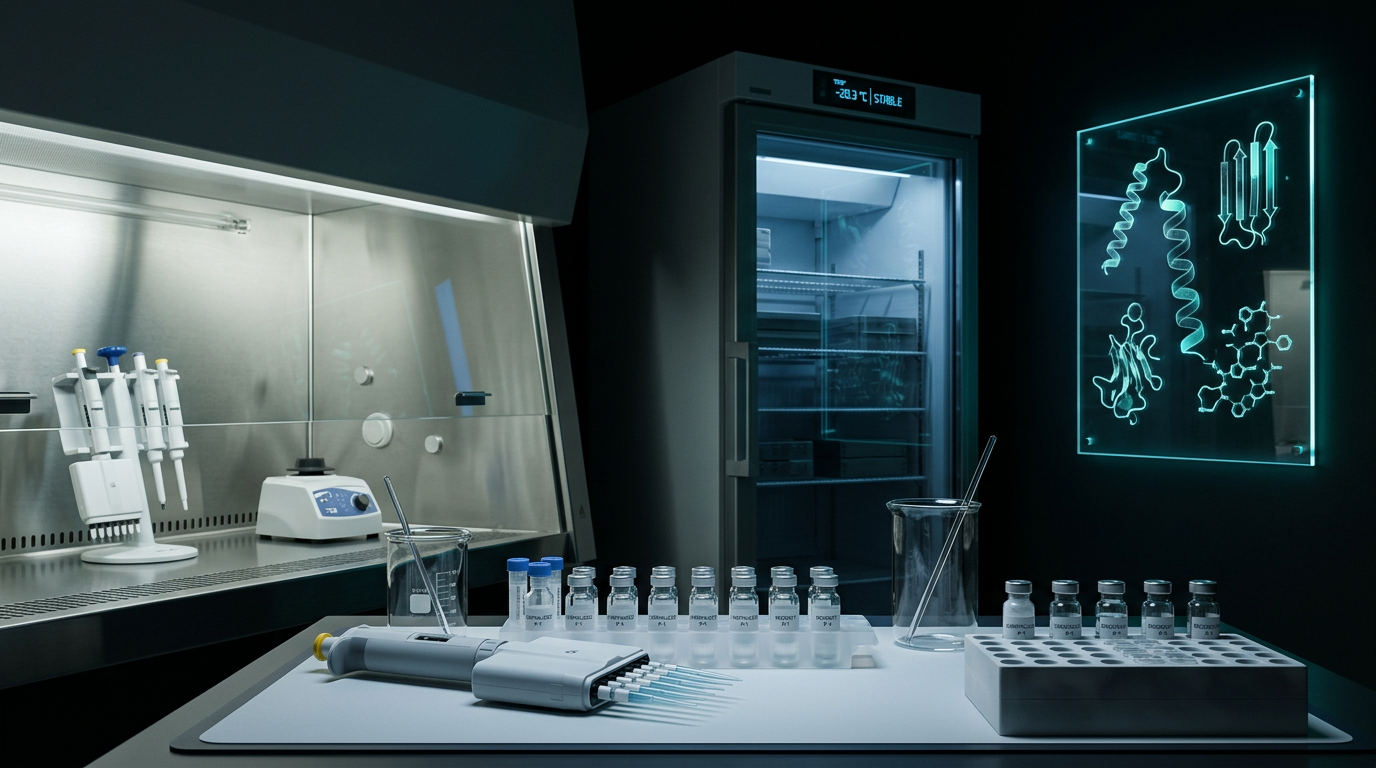
To mitigate degradation, researchers often store peptides in a lyophilized (freeze-dried) state, which minimizes the moisture content required for many chemical reactions to occur. When in solution, the use of sterile, buffered environments and the avoidance of repeated freeze-thaw cycles are necessary protocols to preserve the structural integrity of the molecules over time.
Practical Considerations for Laboratory Management
Effective handling of research peptides begins with proper reconstitution techniques. The choice of solvent depends on the primary sequence and the overall hydrophobicity of the peptide. While many peptides are soluble in sterile water or aqueous buffers, hydrophobic sequences may require small amounts of organic solvents like DMSO or acetic acid to ensure complete dissolution without aggregation.
Accurate quantification is another cornerstone of laboratory practice. While many researchers calculate concentration based on dry weight, the presence of counterions (such as TFA) and residual water can affect the actual peptide content. Modern laboratories may utilize UV spectrophotometry or amino acid analysis to determine precise molar concentrations, ensuring that dosage-response curves and binding assays yield reliable results.
Laboratory Use Only and Safety Disclaimer
The scientific information provided herein regarding research peptides is intended strictly for educational and laboratory investigation purposes. These compounds are chemical reagents designed for use in controlled in vitro or in vivo research environments by qualified professionals.
Under no circumstances are these substances intended for human or veterinary diagnostic, therapeutic, or prophylactic use. The content provided does not constitute medical advice or clinical recommendations. Researchers are responsible for adhering to all local and institutional safety guidelines and regulations governing the handling and disposal of laboratory chemicals.
More questions?
Ask our Support Team — they can answer follow-up questions about this topic, COAs, storage, or anything else in the research library.
Tap the "Chat with us" tab on the right edge of any page.