Standardization in Peptide Synthesis
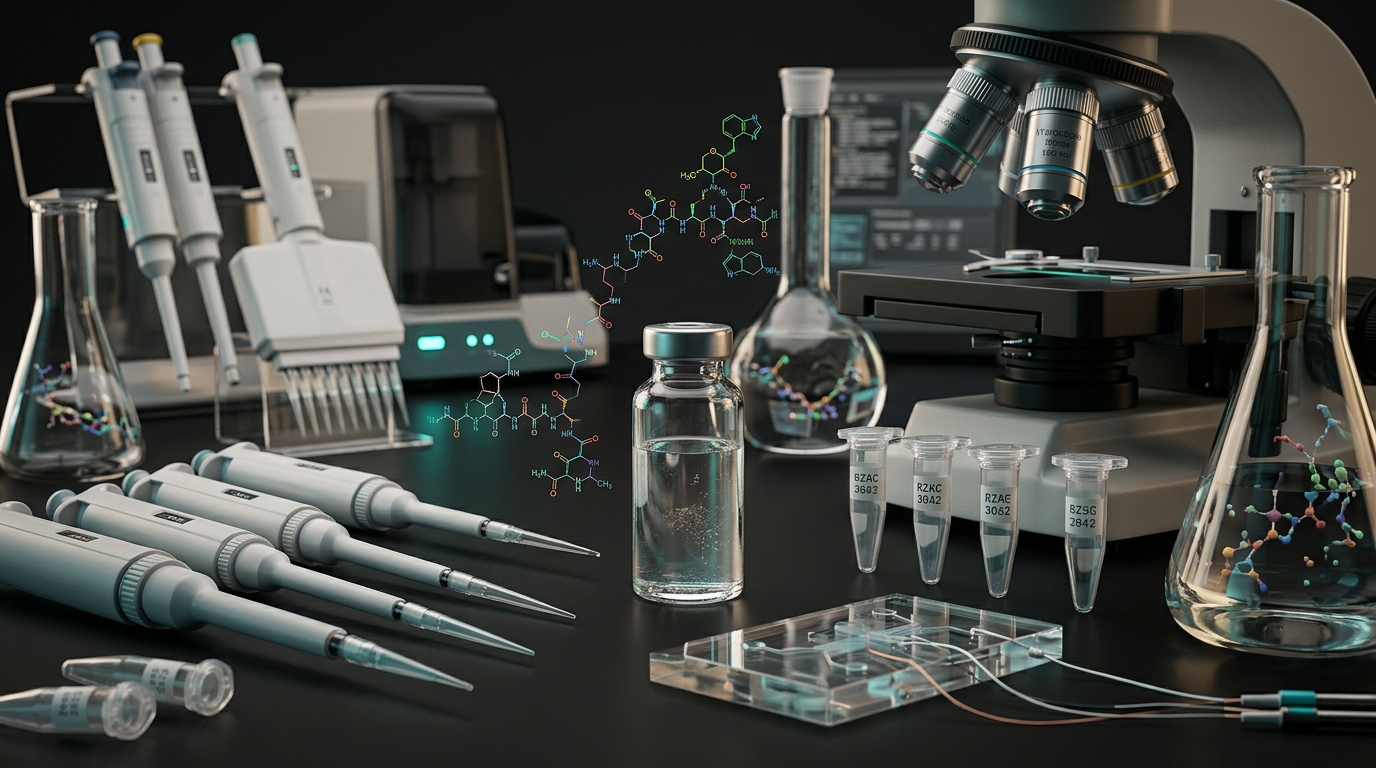
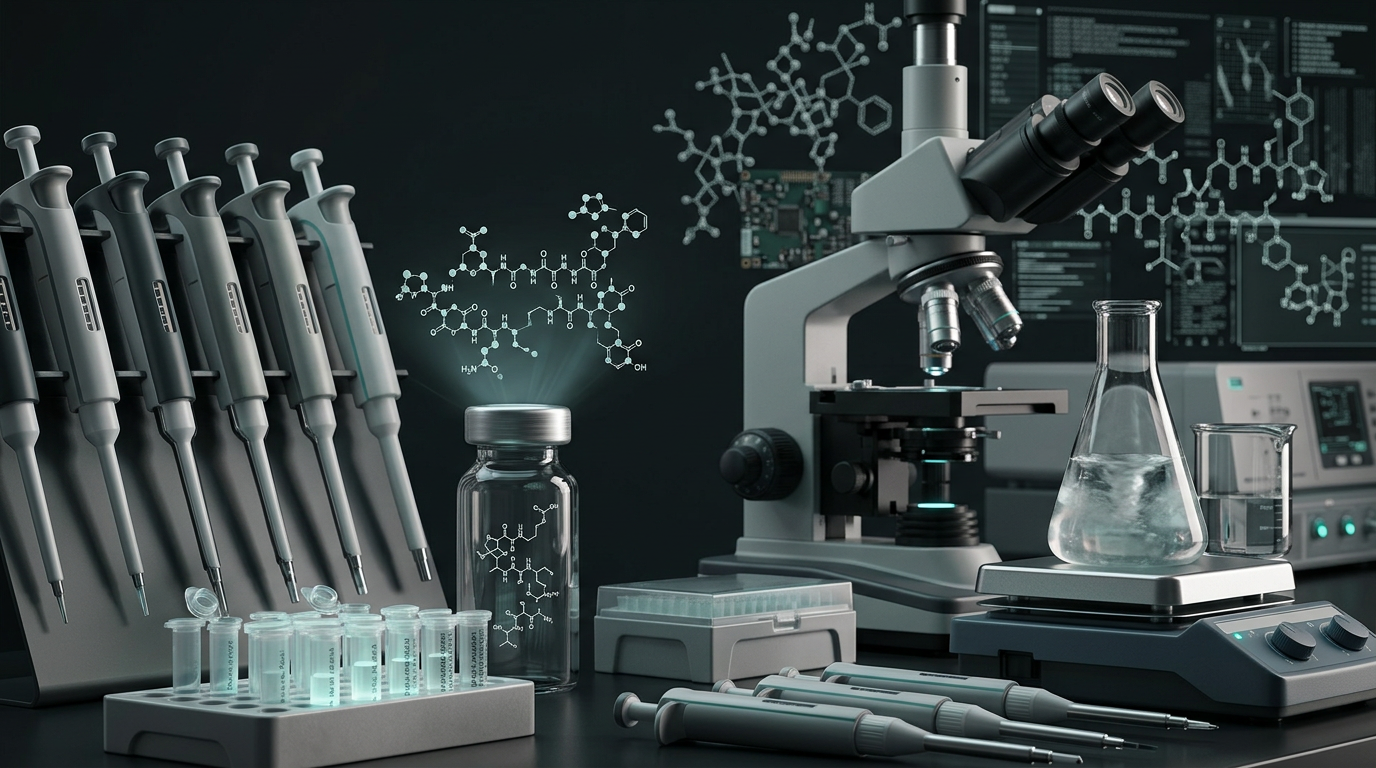
In the context of biochemical experimentation, the integrity of the primary amino acid sequence is the most critical variable. Peptide synthesis, typically conducted via Solid-Phase Peptide Synthesis (SPPS), requires rigorous control over coupling efficiencies and deprotection cycles. For investigators, sourcing materials from a trusted research peptide supplier ensures that these chemical processes are monitored to prevent the accumulation of truncated sequences or deletion mutations.
The complexity of peptide synthesis increases exponentially with the length of the chain and the inclusion of hydrophobic residues or post-translational modifications. Consequently, standardized laboratory procedures must be employed to maintain batch-to-batch consistency, which is foundational for reproducible data in proteomics and metabolic signaling studies.
Analytical Validation and Chemical Purity
A trusted research peptide supplier provides comprehensive analytical validation for every compound, typically utilizing High-Performance Liquid Chromatography (HPLC) and Mass Spectrometry (MS). HPLC serves to confirm the chemical purity of the sample, with research-grade standards usually requiring a minimum of 98% purity. This ensures that interfering substances, such as residual solvents or TFA salts, are minimized to levels that do not confound experimental results.
Mass Spectrometry is concurrently used to verify the molecular weight of the synthesized peptide, confirming that the actual product matches the theoretical sequence. Discrepancies in mass can indicate incomplete deprotection or the presence of unexpected adducts, both of which can significantly alter binding affinity and biological activity in an in vitro environment.
Stability and Lyophilization Protocols
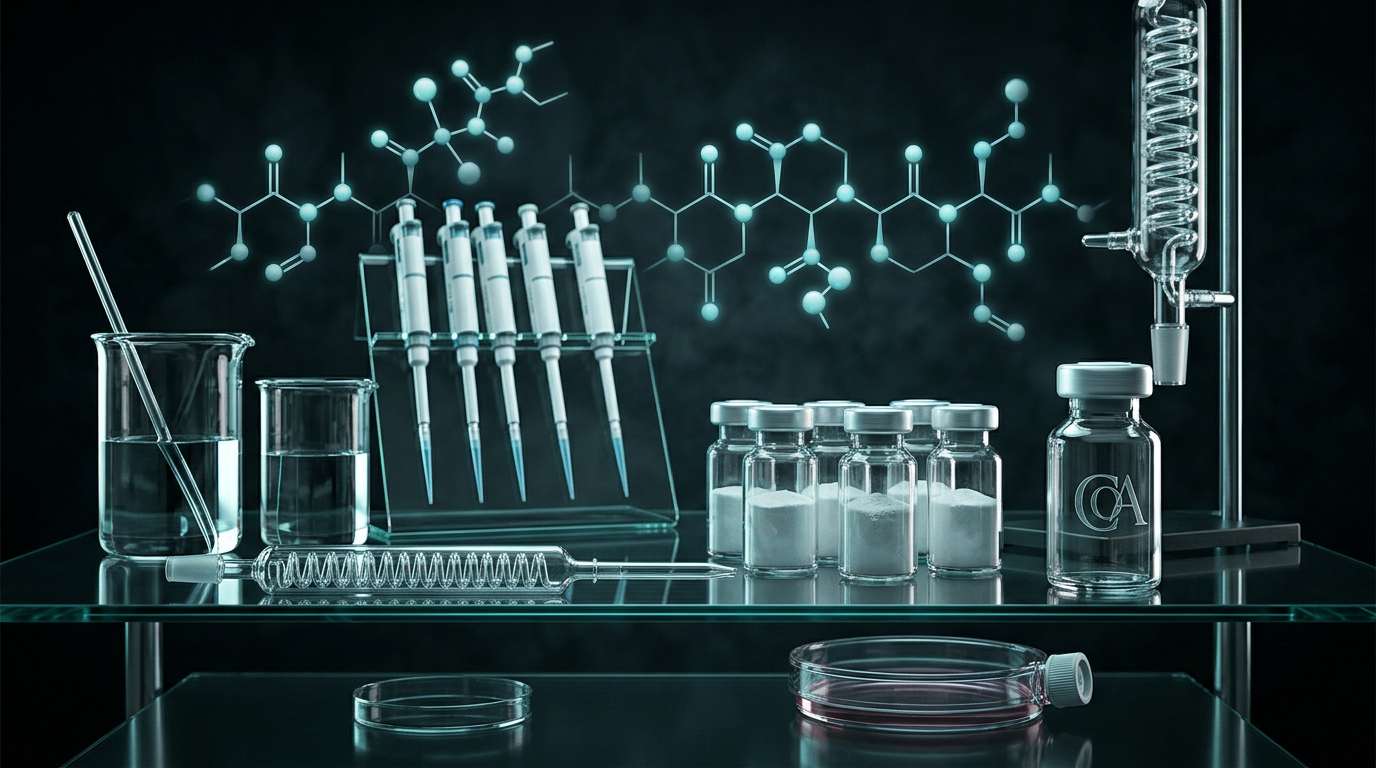
The physical state of a peptide influences its long-term stability and susceptibility to degradation. Most research peptides are provided in a lyophilized (freeze-dried) format, which removes moisture and prevents hydrolytic cleavage of the peptide bonds. This process is essential for maintaining the structural integrity of the molecule during transit and long-term storage in laboratory freezers.
When engaging with a trusted research peptide supplier, researchers should expect detailed guidance on reconstitution. The solubility of a peptide depends on its net charge and hydrophobicity; therefore, the choice of buffer—whether sterile water, acetic acid, or dimethyl sulfoxide (DMSO)—is a technical decision that must be made based on the peptide's specific biochemical profile to avoid precipitation or aggregation.
Research Use Only and Laboratory Safety
All products and information provided by a trusted research peptide supplier are intended strictly for laboratory research purposes. These compounds are tools for in vitro and animal model experimentation designed to advance scientific understanding of molecular biology, pharmacology, and physiology. They are not intended for human consumption or therapeutic application under any circumstances.
It is the responsibility of the principal investigator to ensure that all laboratory personnel adhere to established safety protocols, including the use of personal protective equipment (PPE) when handling lyophilized powders. Furthermore, the compounds must be used in compliance with all local and federal regulations governing the handling of experimental chemicals in a controlled research environment.
More questions?
Ask our Support Team — they can answer follow-up questions about this topic, COAs, storage, or anything else in the research library.
Tap the "Chat with us" tab on the right edge of any page.