Introduction to Research Peptides for Qualified Laboratories
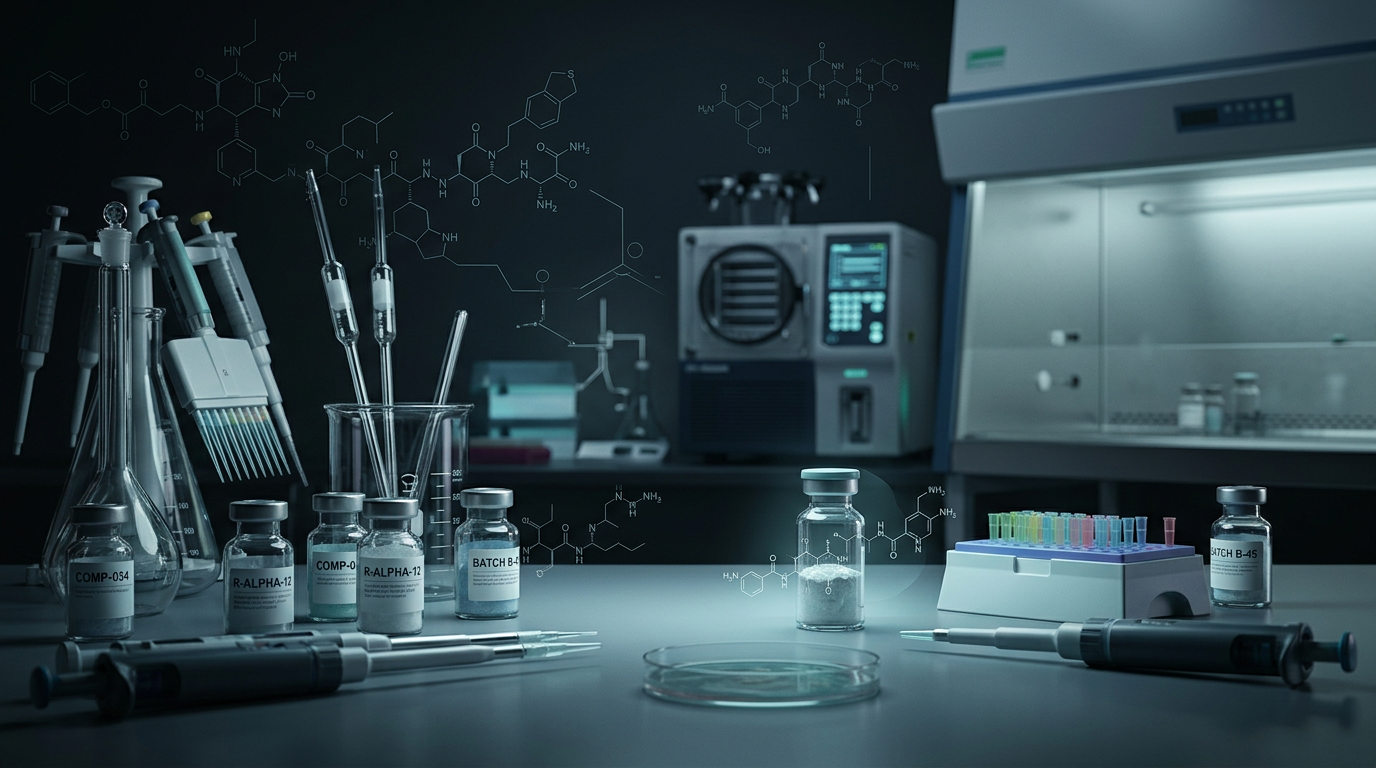
Peptides serve as essential chemical tools in modern biochemistry, consisting of short chains of amino acids linked by peptide bonds. In a controlled setting, these compounds are utilized to study cell signaling, protein-protein interactions, and enzymatic activities. The structural integrity of these molecules is paramount to ensuring that experimental data is reproducible and accurate across different study phases.
Quality control is a foundational requirement when sourcing research peptides for qualified laboratories. Because even minor deviations in the amino acid sequence or the presence of residual trifluoroacetic acid (TFA) can alter the biological activity of the compound, researchers must prioritize high-purity materials. These peptides are synthesized through solid-phase peptide synthesis (SPPS), a method that allows for precise control over the sequence and modifications required for specific assays.
Biochemical Significance and Molecular Diversity
The versatility of peptides stems from their ability to mimic endogenous ligands, enabling researchers to probe the functionality of G-protein coupled receptors (GPCRs) and other transmembrane proteins. By introducing specific modifications—such as phosphorylation, acetylation, or the inclusion of D-amino acids—laboratories can study the effects of structural stability and metabolic resistance in various in vitro and in vivo models.
Furthermore, the use of fluorescent tagging or biotinylation allows for the visualization and tracking of these molecules within complex biological matrices. This molecular diversity is why research peptides for qualified laboratories remain a cornerstone of ligand discovery and developmental biology, providing a bridge between genomic data and functional proteomics.
Analytical Standards and Purity Verification
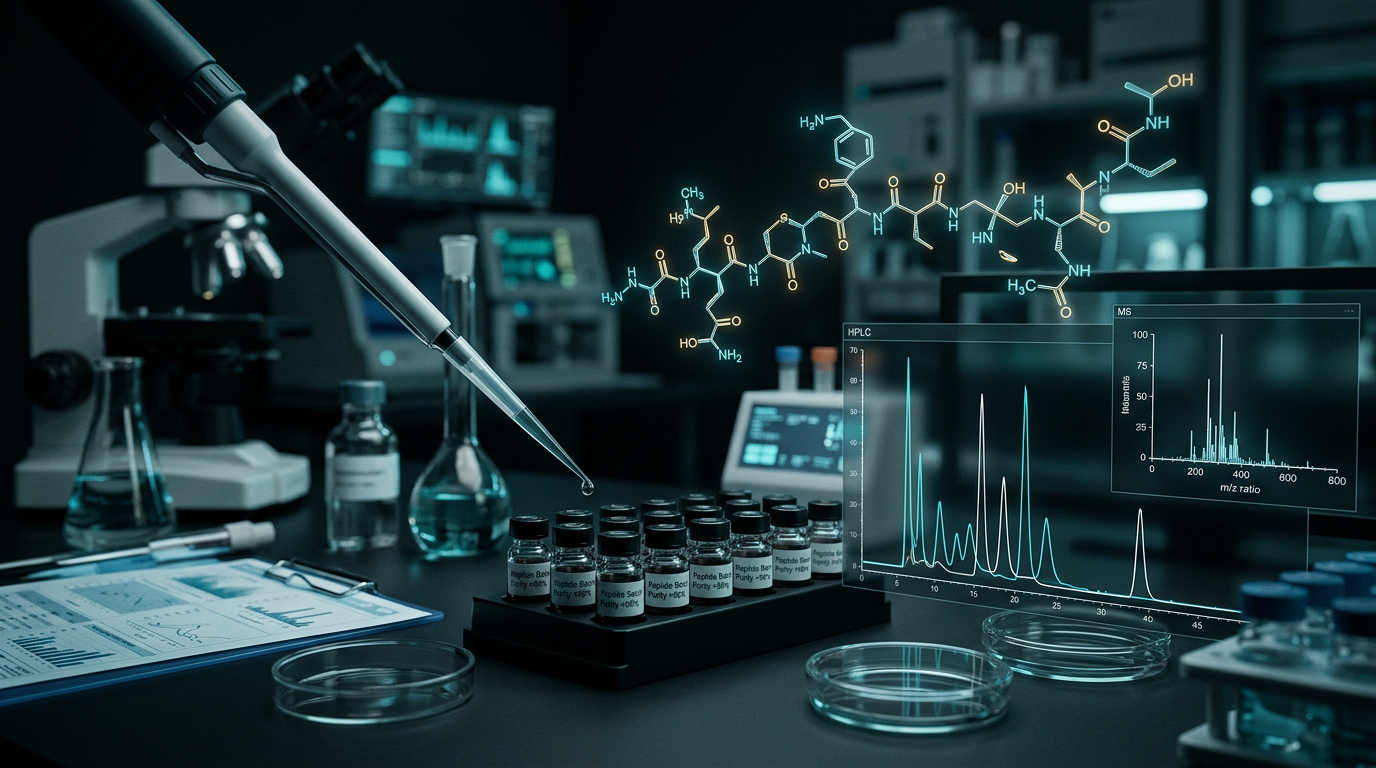
To ensure the validity of scientific findings, every peptide must undergo rigorous analytical testing. High-Performance Liquid Chromatography (HPLC) is typically employed to determine the chemical purity of the sample, while Mass Spectrometry (MS) is used to verify the molecular weight and sequence identity. For most high-level research applications, a purity threshold of 98% or higher is considered a standard requirement to minimize the influence of truncated sequences or chemical contaminants.
Beyond primary sequence verification, laboratories must also consider the salt content and moisture levels within the lyophilizate. The choice of counter-ion, often acetate or hydrochloride, can be critical depending on the sensitivity of the cell culture or the specific pH requirements of the experimental buffer. Documentation such as Certificates of Analysis (CoA) provides the necessary transparency for rigorous scientific methodology.
Practical Storage and Handling Protocols
The stability of lyophilized peptides is highly dependent on environmental conditions. To prevent degradation, research peptides for qualified laboratories should be stored in a desiccated environment at temperatures of -20°C or -80°C. Repeated freeze-thaw cycles must be avoided, as the resulting condensation can lead to hydrolysis and the loss of tertiary structure or biological efficacy.
When preparing stock solutions, it is recommended to aliquot the peptide into single-use quantities. Proper reconstitution techniques, including the selection of appropriate solvents such as sterile water, PBS, or DMSO, are essential for maintaining the solubility and activity of the compound. Researchers should always consult the specific solubility profile provided by the manufacturer to ensure optimal results.
Laboratory Research Use Only Disclaimer
The information provided in this article is strictly for educational and forensic purposes within a scientific context. All materials discussed, including research peptides for qualified laboratories, are intended solely for laboratory research use by trained professionals. These substances are not designed, approved, or intended for human or veterinary use, nor are they intended for therapeutic, diagnostic, or clinical applications.
It is the responsibility of the purchasing institution and the primary investigator to ensure compliance with all local, state, and federal regulations regarding the handling and disposal of research chemicals. No medical claims are made regarding the safety or efficacy of these compounds in any non-laboratory setting.
More questions?
Ask our Support Team — they can answer follow-up questions about this topic, COAs, storage, or anything else in the research library.
Tap the "Chat with us" tab on the right edge of any page.