Importance of Peptide Batch Documentation
In the field of peptide synthesis, peptide batch documentation refers to the comprehensive set of analytical data and records that verify the identity, purity, and physical properties of a specific production lot. This documentation serves as the primary verification tool for researchers to confirm that the material received aligns with the specifications required for their particular experimental design.
Without detailed batch records, researchers risk introducing significant variables into their studies. Accurate documentation allows for traceability across different experimental phases, ensuring that any observed biological effects can be attributed to the peptide sequence itself rather than contaminants or degradation products.
Constituents of Quality Analytical Reports
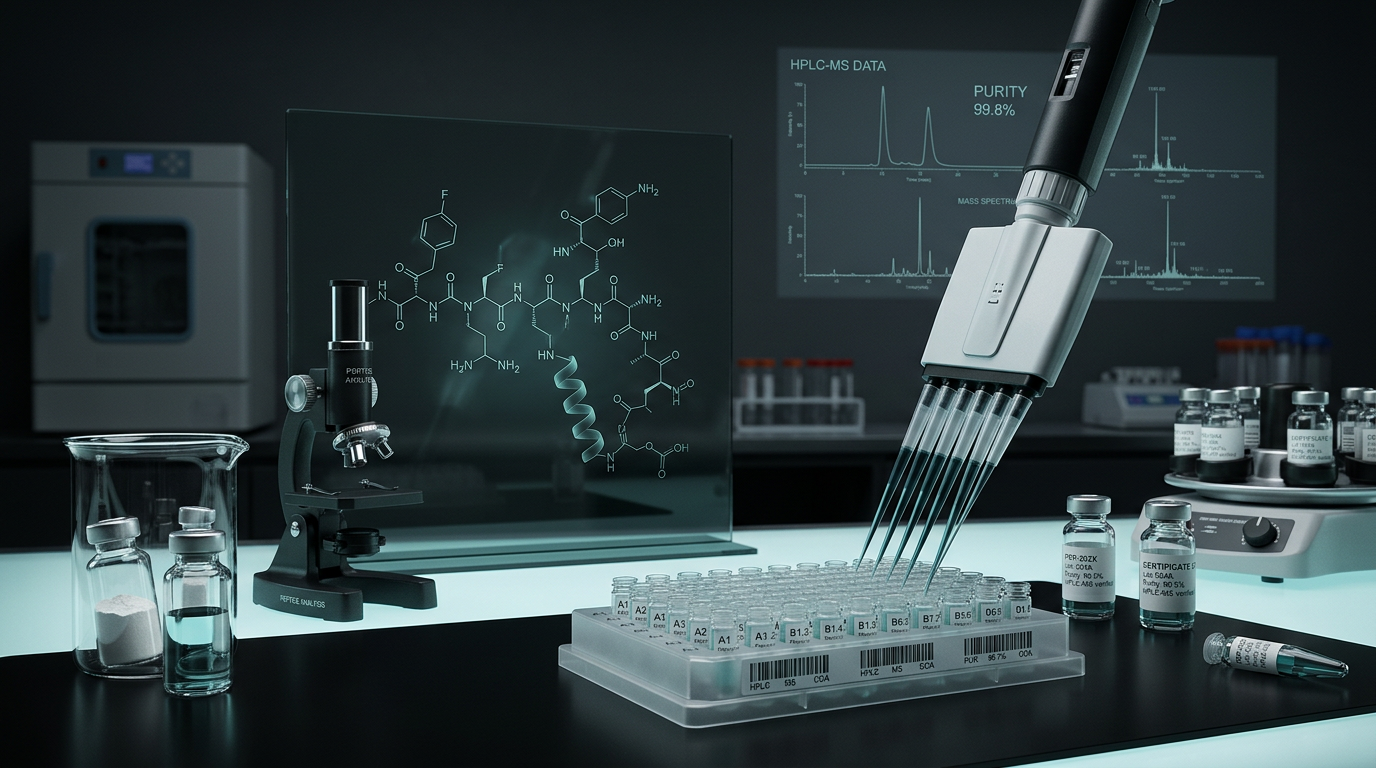
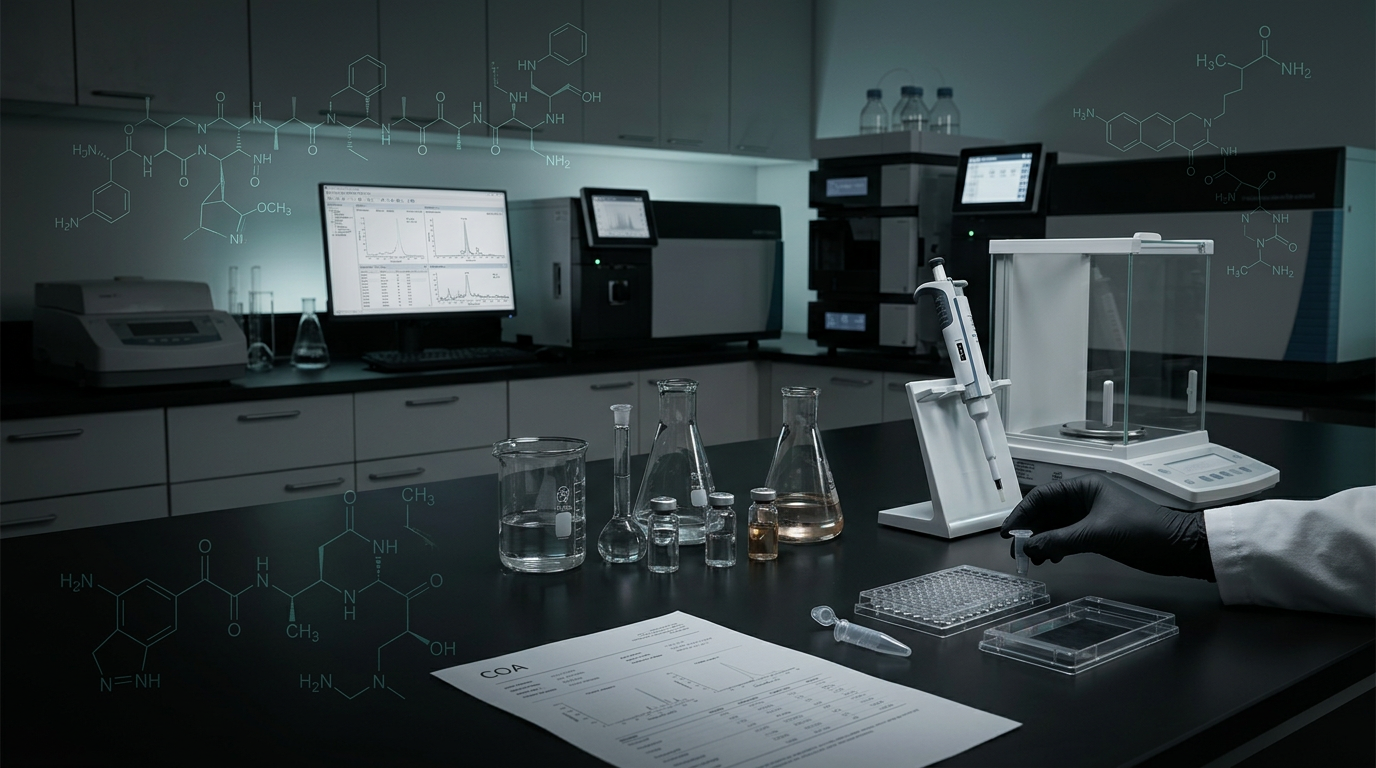
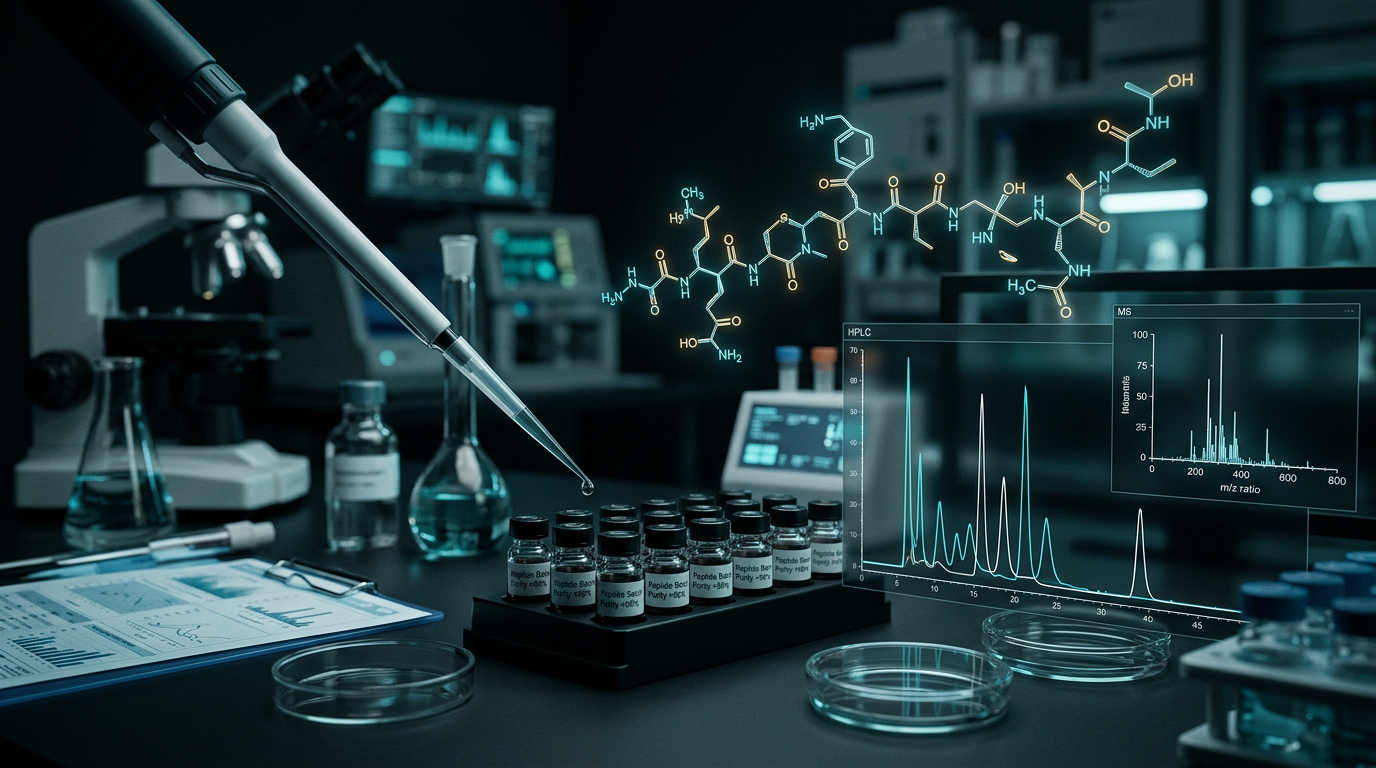
A standardized dossier of peptide batch documentation typically includes a Certificate of Analysis (COA), which summarizes the key findings from High-Performance Liquid Chromatography (HPLC) and Mass Spectrometry (MS). HPLC analysis provides a profile of the peptide's purity by separating the target sequence from any truncated or incomplete sequences generated during synthesis. The resulting chromatogram should show a singular, sharp peak representing the target molecule.
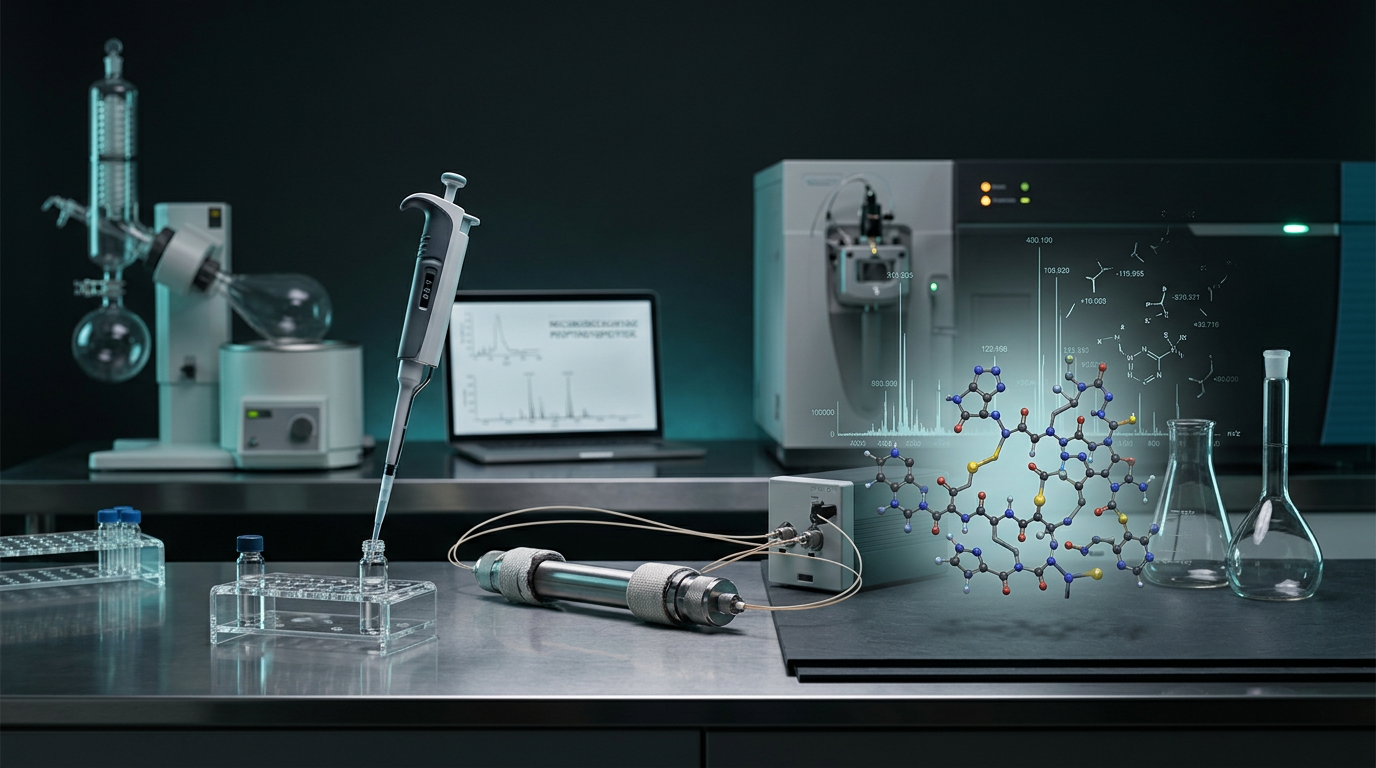
Mass Spectrometry is utilized to confirm the molecular weight of the peptide. By measuring the mass-to-charge ratio of the ions, researchers can confirm that the synthesized sequence matches the theoretical molecular weight. Discrepancies in the MS report may indicate incorrect amino acid insertion or the presence of significant salt adducts that could interfere with downstream research applications.
Net Peptide Content and Counter-Ion Analysis
A critical but often overlooked aspect of peptide batch documentation is the distinction between gross weight and net peptide content. Most synthetic peptides are provided as lyophilized salts, often containing Trifluoroacetic acid (TFA) or acetate. The documentation must specify the peptide content percentage, which represents the actual weight of the peptide chains relative to the total weight of the powder, including salts and residual water.
Understanding the counter-ion concentration is essential for researchers conducting quantitative assays. If the peptide batch documentation indicates a high salt content, researchers must adjust their molar calculations accordingly to ensure that the concentration of the active peptide in the final solution remains consistent with previous experimental iterations.
Utilizing Documentation for Experimental Reproducibility
Reproducibility is the cornerstone of scientific research. By maintaining rigorous peptide batch documentation for every lot used, laboratory personnel can compare inter-batch variability. Even subtle differences in purity or salt profiles can influence solubility, pH levels in cell culture media, or binding affinities in biochemical assays.
When transitioning from a pilot study to a larger-scale investigation, the documentation provides a baseline for quality control. It allows the principal investigator to verify that the synthesis process remains stable over time and that any new batches meet the exact chemical profile of the original material used in the proof-of-concept phase.
Laboratory Research Use Only
The information regarding peptide batch documentation provided herein is intended solely for scientific education and laboratory research purposes. Peptides described in such documentation are provided exclusively for in vitro or animal model research conducted in controlled laboratory environments.
These materials are not intended for human or veterinary use. Nothing in this article should be construed as medical advice or as an endorsement for the clinical application of peptide products. It is the responsibility of the researcher to ensure that all experimental protocols comply with relevant institutional and governmental regulations.
More questions?
Ask our Support Team — they can answer follow-up questions about this topic, COAs, storage, or anything else in the research library.
Tap the "Chat with us" tab on the right edge of any page.