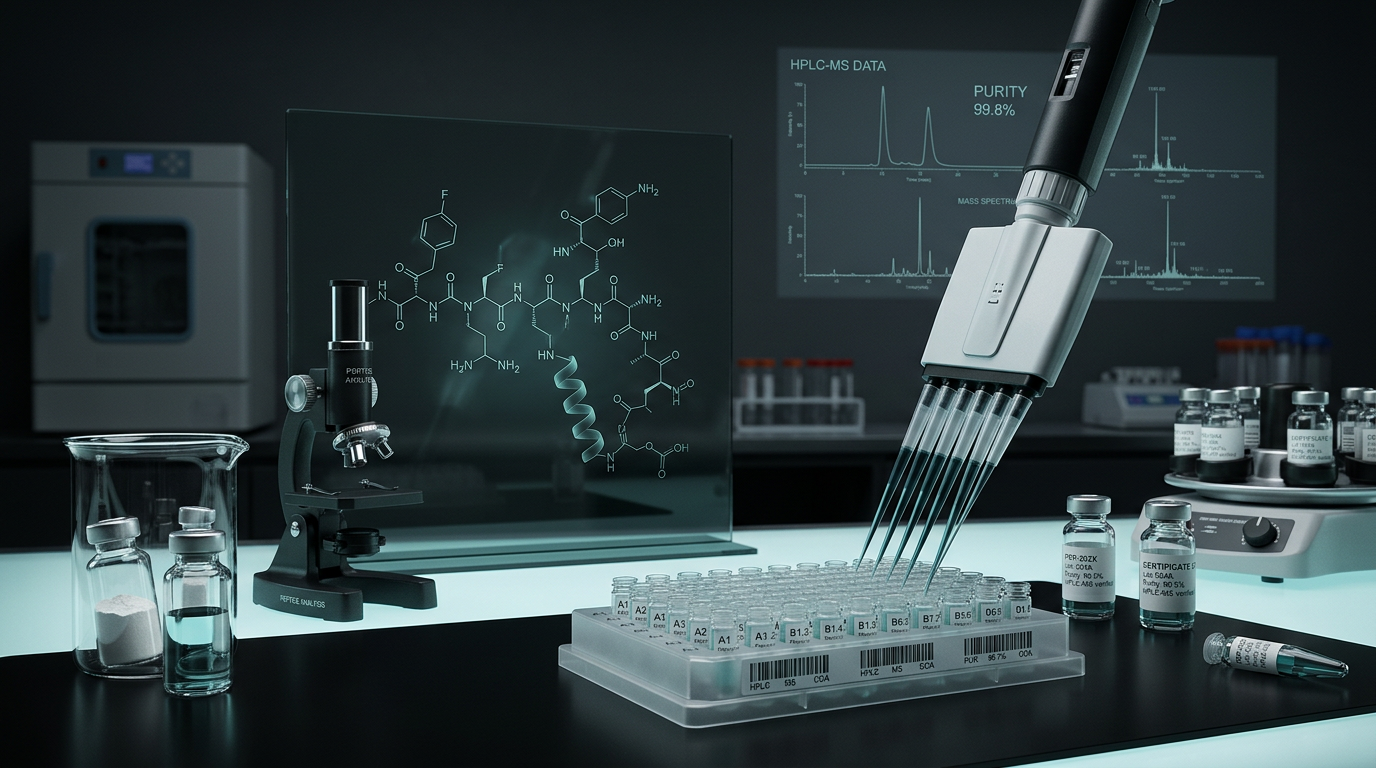
Defining Research Peptides Not for Human Consumption
Research peptides are short chains of amino acids linked by peptide bonds, synthesized specifically for use in controlled laboratory settings. These compounds are engineered to investigate biochemical pathways, protein interactions, and physiological responses in non-human models. It is fundamental to distinguish these substances from pharmaceutical-grade medications; research peptides not for human consumption lack the regulatory approvals required for clinical use.
The primary objective of utilizing these synthetics in a lab environment is to facilitate discovery in fields such as endocrinology, neurology, and cellular biology. By maintaining a clear distinction between experimental compounds and therapeutic agents, the scientific community ensures that high-potency molecules are handled with the necessary rigor and safety protocols required for valid empirical data collection.
Chemical Synthesis and Purity Standards
In the production of research peptides, solid-phase peptide synthesis (SPPS) is the standard methodology. This process allows for the precise assembly of amino acid sequences, ensuring that the resulting molecule mirrors the intended primary structure. Following synthesis, high-performance liquid chromatography (HPLC) and mass spectrometry (MS) are employed to verify the purity and molecular mass of the peptide, typically aiming for a threshold of 98% or higher.
These rigorous purity standards are essential for minimizing variables in experimental results. Contaminants or byproducts in a sample can lead to off-target effects, potentially skewing the data and leading to incorrect conclusions regarding the peptide's mechanism of action. Consequently, researchers must source materials that are strictly categorized as research peptides not for human consumption to ensure they meet these technical specifications.
Storage and Reconstitution Protocols
Effective laboratory research requires strict adherence to storage conditions to maintain peptide stability. Most lyophilized (freeze-dried) peptides should be stored at -20°C or -80°C to prevent degradation and hydrolysis. Exposure to light, moisture, and fluctuating temperatures can lead to the fragmentation of the amino acid chain, rendering the sample useless for precise analytical work.
Reconstitution is a critical phase in the research process. Researchers must utilize bacteriostatic water or sterile saline, depending on the specific solubility requirements of the peptide. Once reconstituted, the shelf life of the peptide significantly decreases; therefore, many laboratories implement aliquoting techniques to avoid repeated freeze-thaw cycles, which can denature the peptide structure and compromise the integrity of the research.
Quantitative Analysis in Laboratory Models
The use of research peptides not for human consumption allows scientists to observe changes in gene expression, enzymatic activity, and cellular signaling. For instance, in vitro studies often involve applying specific peptide concentrations to cell cultures to observe binding affinity at receptor sites. These quantitative measurements are vital for mapping the pharmacokinetic and pharmacodynamic profiles of novel compounds before they proceed to further stages of development.
Standardized assays, such as enzyme-linked immunosorbent assay (ELISA) or Western blotting, are frequently used in conjunction with these peptides to measure the modulation of proteins within a biological system. This systematic approach ensures that the effects observed are directly attributable to the peptide sequence being studied, rather than external environmental factors.
Mandatory Research Use Only Disclaimer
All materials discussed in this article are classified strictly as research peptides not for human consumption. These compounds are intended solely for in vitro and laboratory experimental use by qualified professionals. They are not intended for use as food additives, drugs, cosmetics, or any other application involving human or animal subjects outside of a controlled research environment.
Under no circumstances should the information provided here be interpreted as medical advice or as a recommendation for clinical application. The handling of these substances carries inherent risks, and adherence to local legal regulations and institutional biosafety protocols is a prerequisite for their purchase and use.
More questions?
Ask our Support Team — they can answer follow-up questions about this topic, COAs, storage, or anything else in the research library.
Tap the "Chat with us" tab on the right edge of any page.