Introduction to In-Vitro Research Peptides
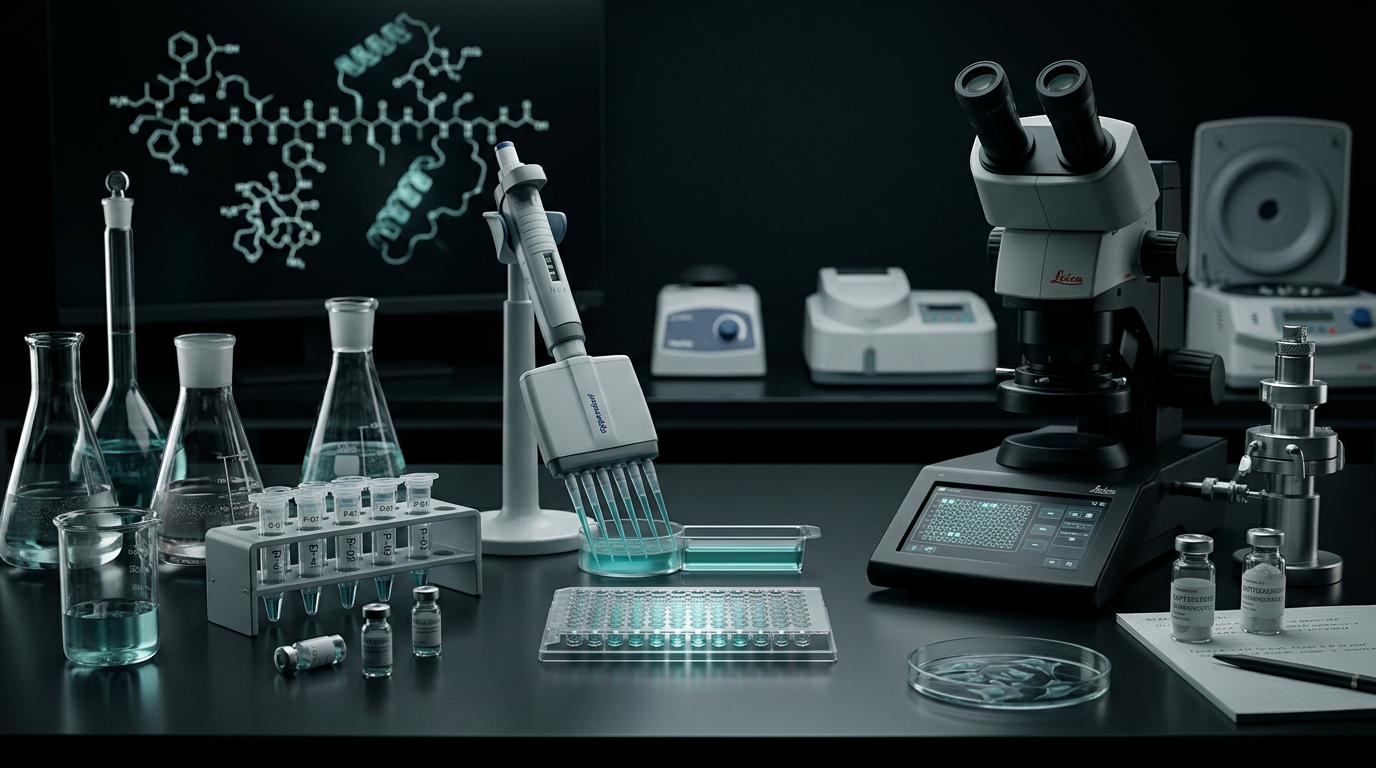
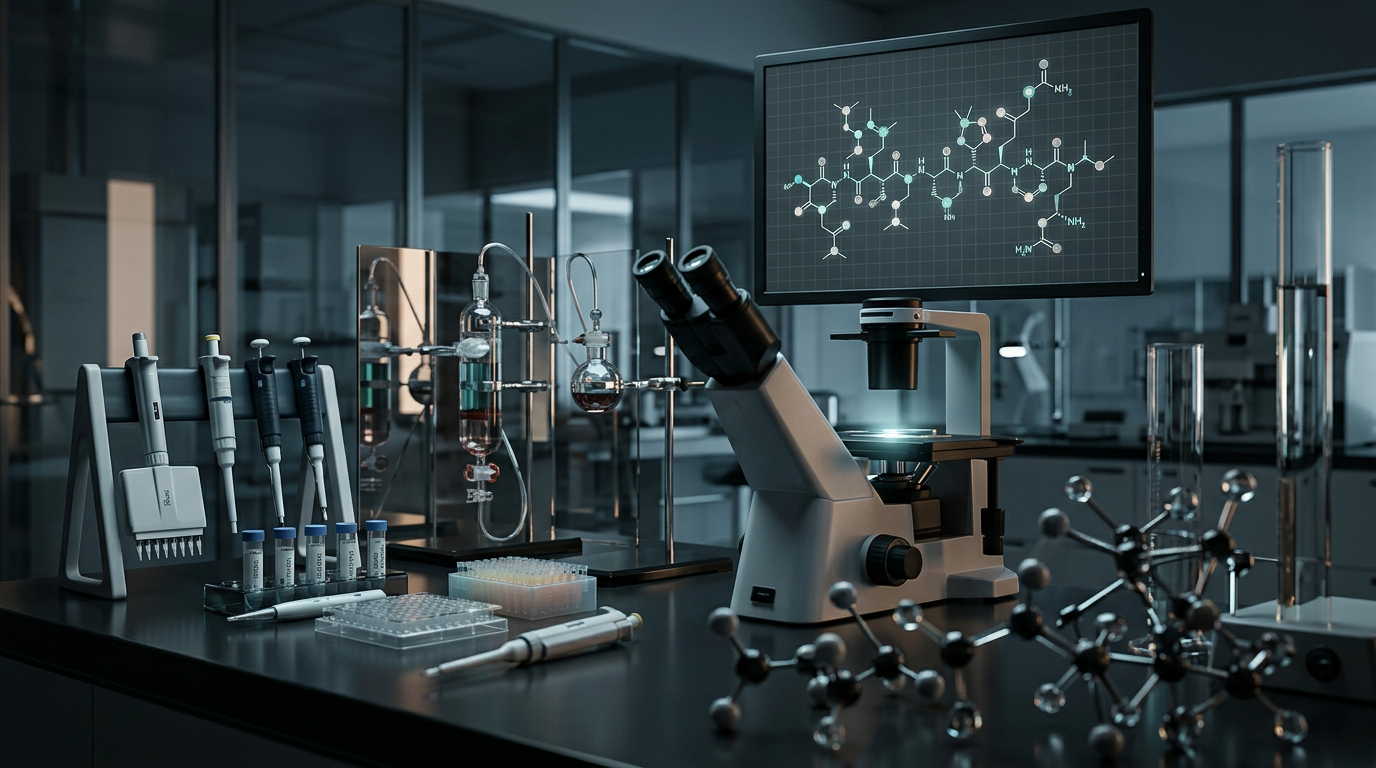
In-vitro research peptides are short chains of amino acids synthesized for use in controlled laboratory environments. These compounds serve as vital tools for investigating cellular signaling, protein-protein interactions, and enzymatic activities outside of a living organism. Unlike natural proteins, synthetic peptides can be precisely engineered to isolate specific biological responses, allowing researchers to observe molecular mechanisms with high granularity.
The utility of these peptides stems from their high specificity and relatively low toxicity in cell culture models. By mimicking the active domains of larger proteins, in-vitro research peptides enable scientists to probe receptor binding affinities and signal transduction pathways in a simplified, measurable system.
Molecular Dynamics and Synthesis Precision
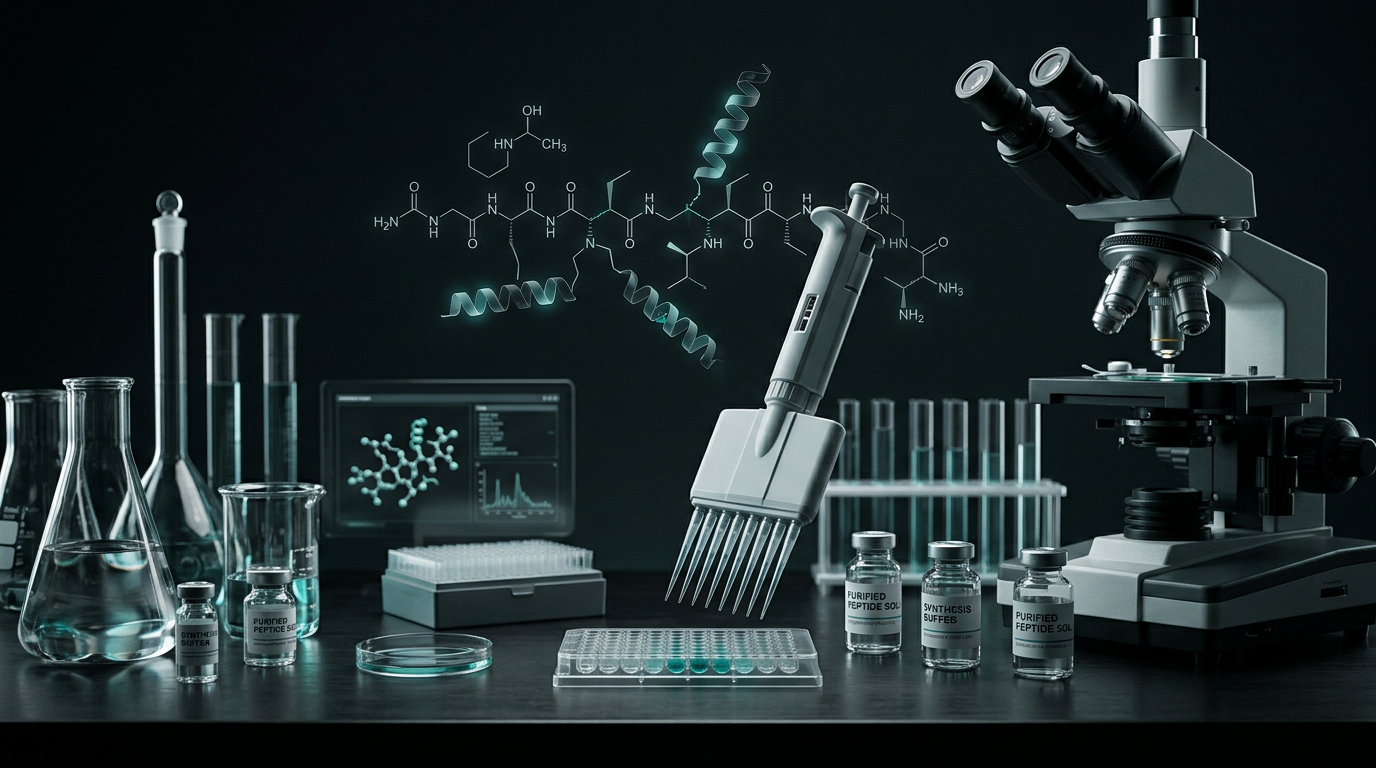
The efficacy of in-vitro research peptides depends heavily on the precision of solid-phase peptide synthesis (SPPS). This process ensures that the sequence of amino acids is accurate and that the purity levels meet the rigorous standards required for quantitative analysis. Even minor impurities or truncated sequences can lead to off-target effects, potentially skewing the results of sensitive assays such as ELISA or mass spectrometry.
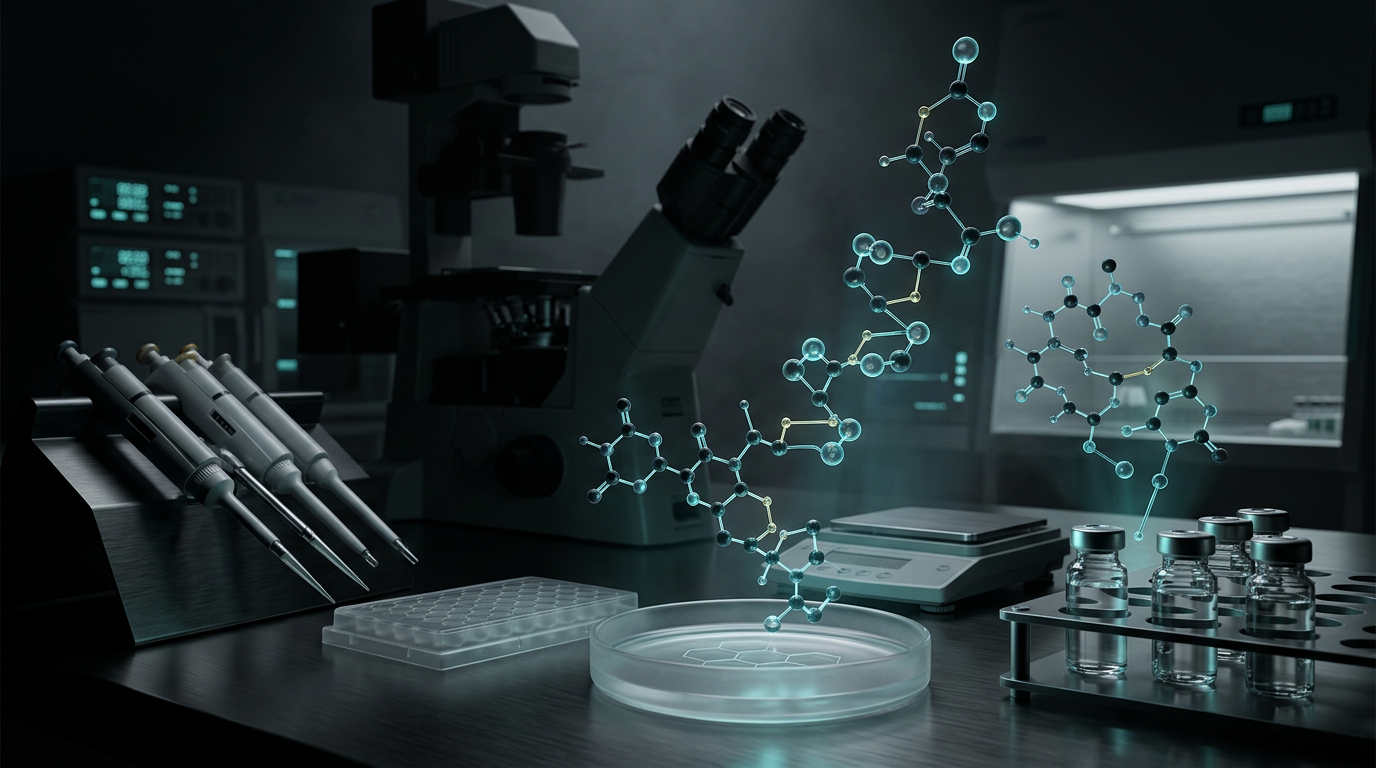
Furthermore, the secondary structure of these peptides—such as alpha-helices or beta-sheets—plays a critical role in their biological activity. Researchers often employ modifications, such as C-terminal amidation or N-terminal acetylation, to enhance the stability of the peptide against proteolytic degradation within the culture medium, ensuring the longevity of the experiment.
Applications in Cellular Assays and Proteomics
In the realm of proteomics, in-vitro research peptides are utilized as functional probes to map the landscape of cellular metabolism. They are frequently used in competitive binding assays to determine the inhibition constants (Ki) of various ligands. By introducing fluorescent or radioactive labels to the peptide structure, researchers can track the localization of the peptide within subcellular compartments using confocal microscopy.
Beyond structural studies, these peptides are essential for validating the results of high-throughput screening. They provide a reproducible baseline for testing how different cell lines respond to exogenous stimuli, facilitating the identification of specific biomarkers associated with cellular stress, growth, or apoptosis.
Practical Considerations for Laboratory Handling
Maintaining the integrity of in-vitro research peptides requires strict adherence to storage and reconstitution protocols. Most peptides are provided in a lyophilized (freeze-dried) state to ensure long-term stability. Exposure to moisture, heat, or light can lead to oxidation or deamidation, which alters the peptide's chemical profile. Ideally, lyophilized peptides should be stored at -20°C or -80°C until use.
Reconstitution should be performed using sterile, deoxygenated buffers tailored to the peptide's solubility profile. Acidic, basic, or hydrophobic residues dictate whether a peptide requires a specific pH for complete dissolution. Researchers must avoid vigorous agitation, such as sonication, which may denature sensitive sequences, opting instead for gentle swirling to maintain the structural integrity of the compound.
Laboratory Research Use Only Disclaimer
The information presented regarding in-vitro research peptides is intended strictly for educational and laboratory purposes. These compounds are designed for use in controlled research settings by qualified professionals to advance scientific knowledge and methodology.
It is imperative to note that these peptides are not for human or animal consumption, nor are they intended for clinical, therapeutic, or diagnostic use. No information provided herein should be construed as medical advice or a recommendation for the treatment of any condition. All experimentation must be conducted in accordance with local institutional biosafety regulations and ethical guidelines.
More questions?
Ask our Support Team — they can answer follow-up questions about this topic, COAs, storage, or anything else in the research library.
Tap the "Chat with us" tab on the right edge of any page.