Overview of Peptides for Laboratory Research
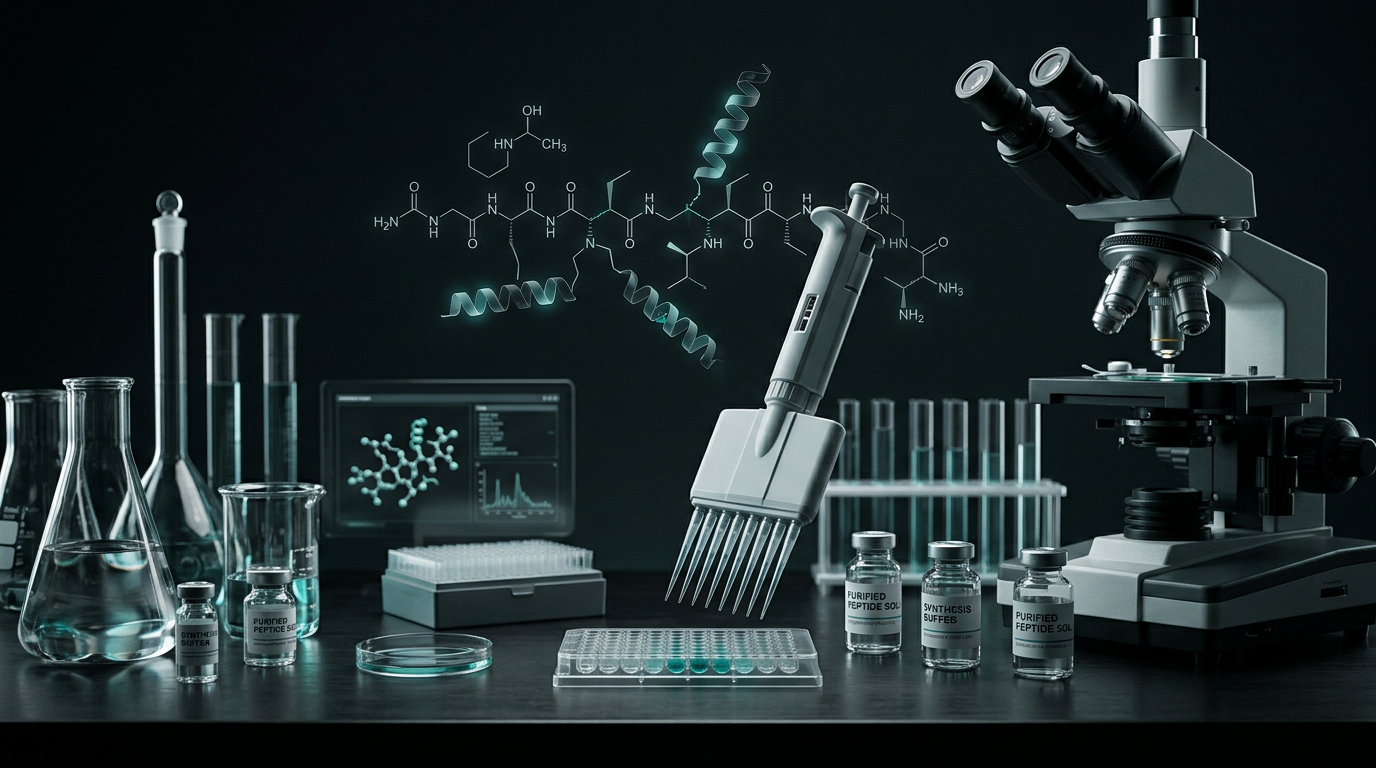
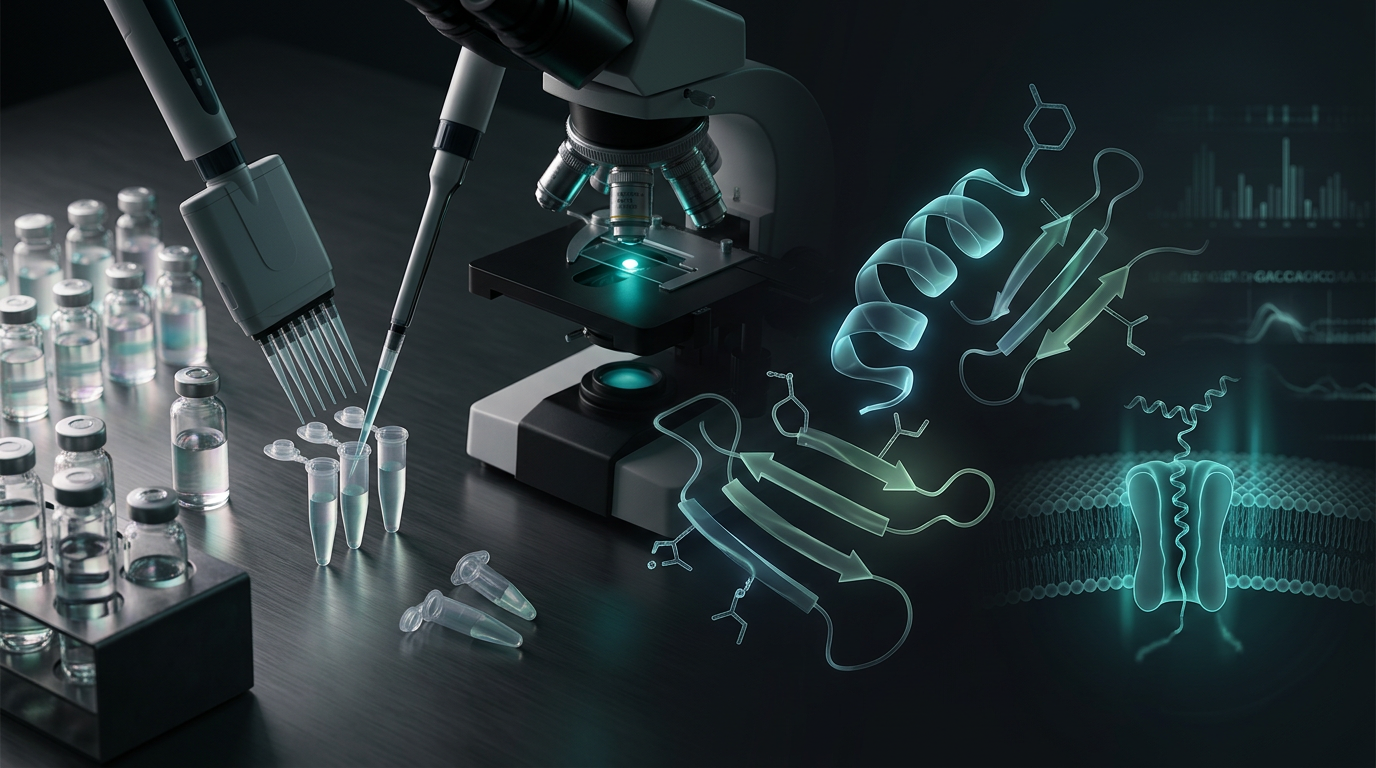
In the context of biochemical experimentation, peptides for laboratory research are short chains of amino acids linked by peptide bonds, typically containing fewer than 50 amino acid residues. These molecules serve as critical tools for investigating protein structure, enzymatic activity, and signal transduction pathways. By utilizing synthesized sequences, researchers can isolate specific cellular responses and study the molecular mechanisms governing biological systems without the complexity of full-length proteins.
The availability of highly purified peptides has facilitated advancements in proteomics and structural biology. Laboratory-grade peptides are engineered to meet specific sequence requirements, allowing for the observation of ligand-receptor interactions and the development of high-throughput screening assays. Their modular nature makes them indispensable for mapping functional domains within larger polypeptides.
Molecular Synthesis and Purification Standards
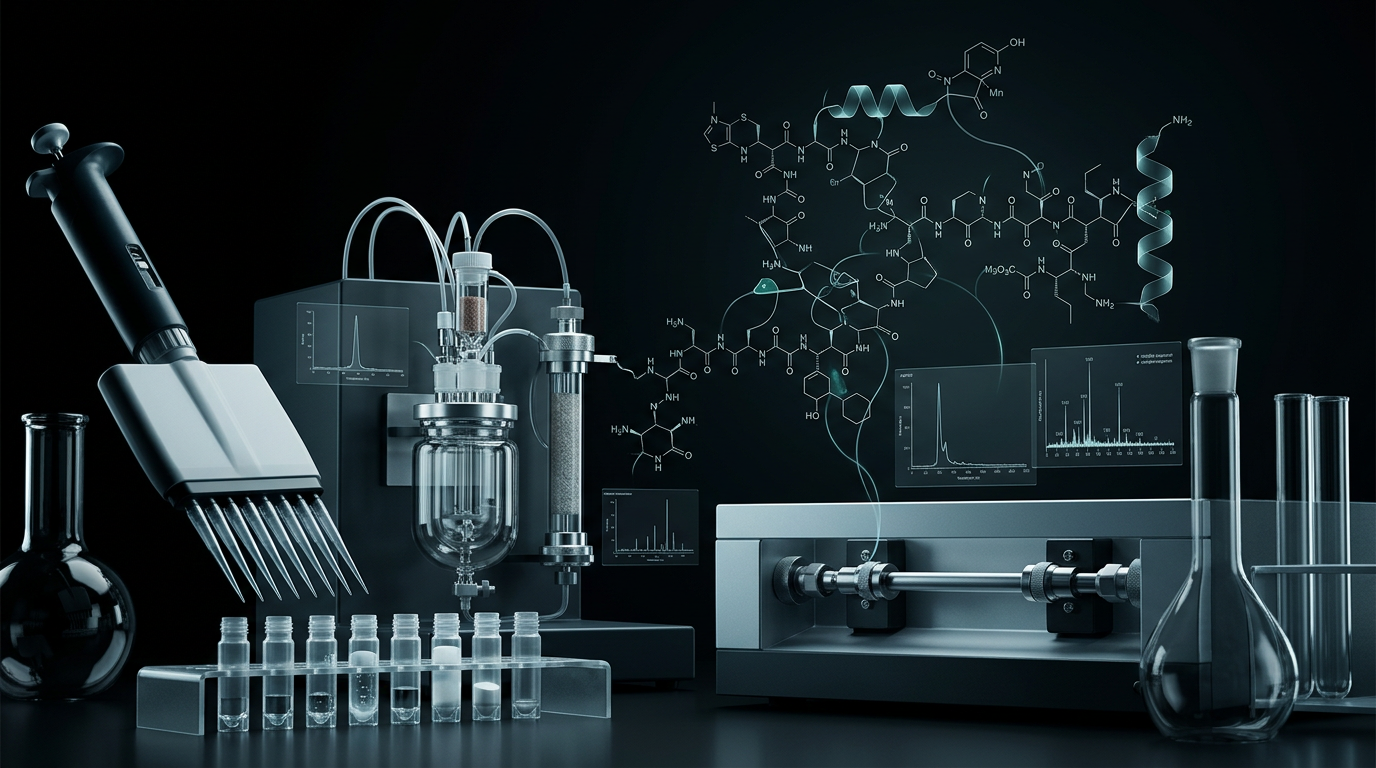
The production of peptides for laboratory research predominantly utilizes Solid-Phase Peptide Synthesis (SPPS). This method involves the sequential addition of alpha-amino protected amino acid residues to an insoluble polymeric support. Through repeated cycles of deprotection and coupling, the desired sequence is constructed with high precision. This methodology allows for the incorporation of non-natural amino acids or specific modifications, such as phosphorylation or acetylation, which are often required for specialized research aims.
Post-synthesis, the crude peptide must undergo rigorous purification, typically involving High-Performance Liquid Chromatography (HPLC). Mass Spectrometry (MS) is then employed to confirm the molecular weight and sequence integrity. Achieving a purity level of 95% or higher is a standard requirement for most laboratory research to ensure that observed experimental outcomes are attributable to the peptide sequence rather than residual synthesis byproducts or contaminants.
Stability and Handling in Experimental Settings
Maintaining the integrity of peptides for laboratory research is a critical variable in experimental design. Peptides are susceptible to enzymatic degradation (proteolysis) and chemical modifications such as oxidation, deamidation, and aggregation. Stability is highly dependent on the amino acid sequence; for instance, sequences containing cysteine or methionine are particularly prone to oxidation, necessitating the use of inert gas blankets or specific buffer additives during handling.
Physical handling also influences research outcomes. Researchers should practice minimal agitation and avoid repeated freeze-thaw cycles, which can denature the peptide structure or lead to precipitation. Preparing single-use aliquots from a master stock is a recommended laboratory practice to ensure consistency across multiple trials and to preserve the longevity of the research material.
Solubility and Reconstitution Strategies
The solubility of peptides for laboratory research varies based on their net charge and hydrophobicity. Determining the ideal solvent is a primary step in any protocol. Basic peptides (containing Lys, Arg, His) often require acidic environments like 1% acetic acid, while acidic peptides (containing Asp, Glu) may require basic buffers such as ammonium bicarbonate. Hydrophobic peptides may necessitate organic solvents like Dimethyl Sulfoxide (DMSO) or Dimethylformamide (DMF) for initial dissolution.
Researchers must carefully consider the compatibility of these solvents with their specific assay systems. For instance, high concentrations of DMSO can be cytotoxic in cell culture models or interfere with certain enzymatic assays. Therefore, researchers often dissolve the peptide in a small volume of a strong solvent before diluting to the final working concentration with an appropriate physiological buffer.
Laboratory Research Use Only Disclaimer
The chemical products and data discussed herein regarding peptides for laboratory research are strictly intended for in vitro experimentation and laboratory use by qualified professionals. These substances have not been approved for human or veterinary use, nor are they intended for therapeutic, diagnostic, or clinical applications.
This article does not constitute medical advice or a recommendation for use outside of a controlled research environment. It is the responsibility of the laboratory investigator to adhere to all local regulations, safety data sheet (SDS) guidelines, and institutional biosafety protocols when handling these materials.
More questions?
Ask our Support Team — they can answer follow-up questions about this topic, COAs, storage, or anything else in the research library.
Tap the "Chat with us" tab on the right edge of any page.