Introduction to Lab Research Peptides
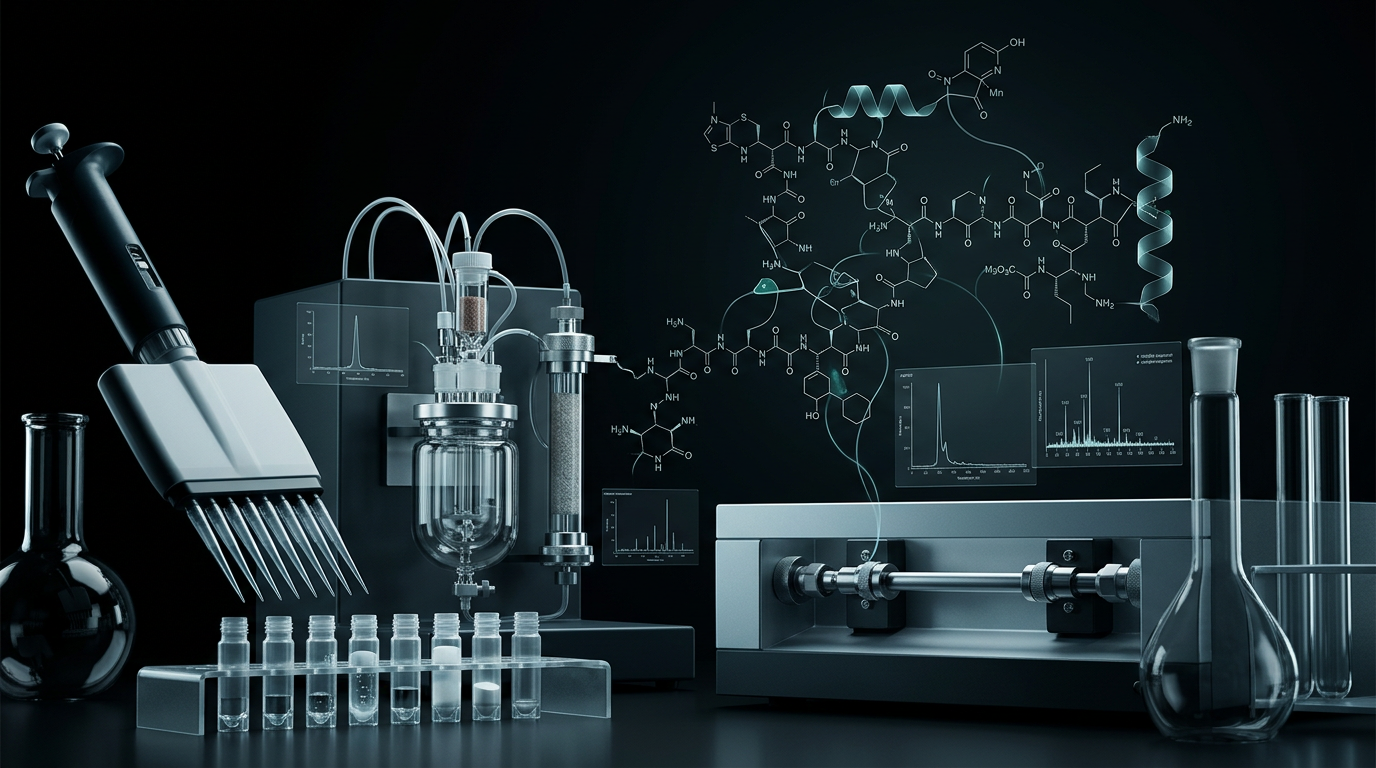
Lab research peptides are short chains of amino acids, typically comprising between two and fifty residues, linked by peptide bonds. In a controlled laboratory setting, these molecules serve as essential tools for mapping cellular signaling pathways, investigating receptor-ligand interactions, and developing novel biochemical assays. Because of their high specificity and relative ease of modification, they are preferred over larger proteins for many structural biology applications.
The utility of these compounds stems from their ability to mimic endogenous signaling molecules while allowing for precise chemical alterations. By substituting specific amino acids or modifying the C-terminus and N-terminus, researchers can examine the relationship between molecular structure and biological activity. This versatility makes them foundational components in modern proteomics and drug discovery research.
Chemical Synthesis and Purity Standards
The production of high-quality lab research peptides generally involves Solid Phase Peptide Synthesis (SPPS). This method allows for the sequential addition of protected amino acids onto a solid resin support. Following synthesis, the crude product undergoes rigorous purification, typically involving High-Performance Liquid Chromatography (HPLC). For most rigorous research applications, a purity level of 95% to 98% or higher is required to ensure that observed experimental outcomes are not skewed by residual solvents, truncated sequences, or salts.
Analytical verification is a critical step in confirming the identity of the synthesized sequence. Liquid Chromatography-Mass Spectrometry (LC-MS) is standardly employed to confirm the molecular weight and sequence integrity. Assessing the counter-ion content and moisture levels is also necessary, as these factors can influence the mass of the lyophilized powder and the resulting molarity of prepared solutions.
Stability and Molecular Degradation
The stability of lab research peptides is a primary concern for investigators. Peptides are susceptible to various degradation pathways, including oxidation, deamidation, and enzymatic hydrolysis. Cysteine-containing sequences, for instance, are prone to disulfide bridge formation, while sequences containing methionine or tryptophan may undergo oxidation. Understanding these chemical vulnerabilities is essential for maintaining the integrity of the experimental model.
To mitigate degradation, peptides are typically supplied as lyophilized (freeze-dried) powders, which are significantly more stable than aqueous solutions. In their dry state, many peptides remain stable at sub-zero temperatures for extended periods. Once reconstituted, however, the rate of degradation increases significantly, necessitating careful planning of aliquot sizes to minimize repeated freeze-thaw cycles that can denature the molecular structure.
Best Practices for Laboratory Handling
Successful utilization of lab research peptides requires precise reconstitution protocols. The choice of solvent depends heavily on the peptide's overall hydrophobicity or hydrophilicity. While many peptides are soluble in sterile water or buffered saline, hydrophobic sequences may require small amounts of organic solvents such as dimethyl sulfoxide (DMSO) or acetic acid to achieve complete dissolution.
Researchers must also account for the physical behavior of peptide solutions. To prevent loss of material due to adsorption on the walls of plastic or glass containers, some investigators utilize low-protein-binding tubes. Furthermore, rigorous sterile techniques must be maintained during the preparation of working solutions to prevent microbial contamination, which can introduce exogenous proteases and rapidly degrade the sample.
Strict Research Use Only Mandate
The lab research peptides described in this article are intended strictly for laboratory research use in controlled environments. They are categorized as research chemicals and are not intended for human or animal consumption, diagnostic procedures, or therapeutic applications. The data provided herein is for educational purposes and is derived from established biochemical literature.
No information provided should be construed as medical advice or a recommendation for practical application outside of an experimental research setting. It is the responsibility of the investigator to ensure compliance with all institutional and governmental regulations regarding the handling and disposal of these chemical substances.
More questions?
Ask our Support Team — they can answer follow-up questions about this topic, COAs, storage, or anything else in the research library.
Tap the "Chat with us" tab on the right edge of any page.