The Role of a Peptide Supplier for Researchers
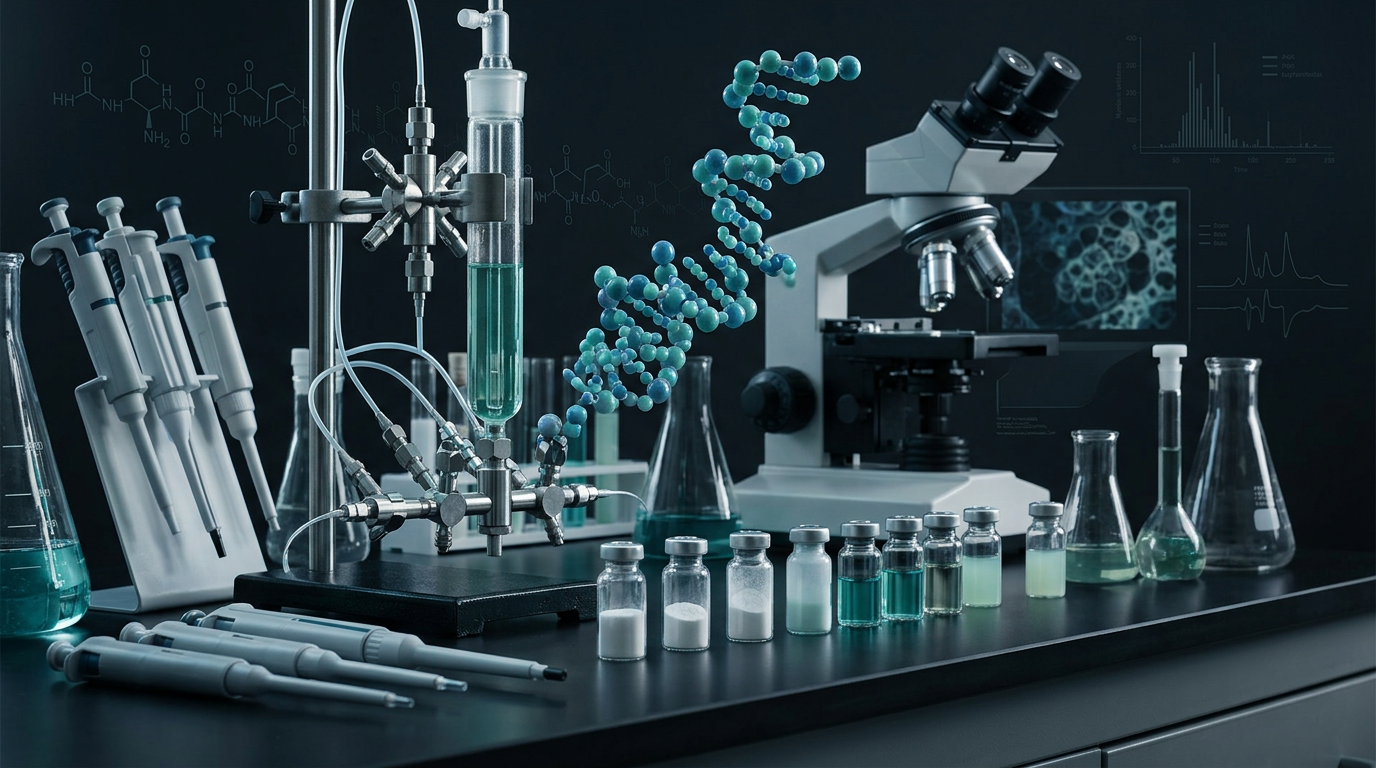
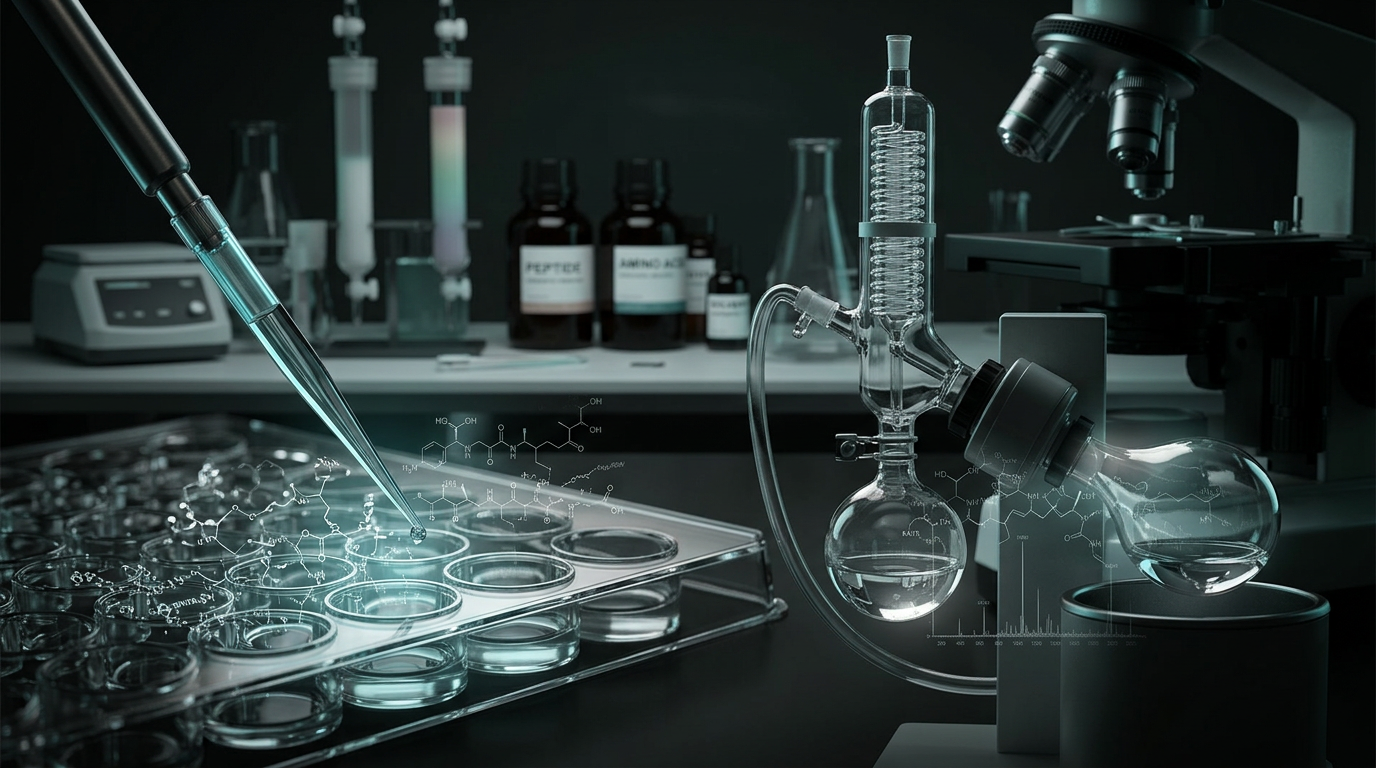
In the field of proteomics and peptide-based pharmacology, the acquisition of high-purity ligands is a fundamental necessity. A specialized peptide supplier for researchers acts as a critical link in the scientific supply chain, providing synthetic sequences used to investigate receptor-ligand interactions, enzymatic kinetics, and cellular signaling pathways.
The integrity of a research project depends heavily on the chemical fidelity of the materials used. Suppliers must utilize advanced Solid-Phase Peptide Synthesis (SPPS) techniques to ensure that the primary sequence is accurate and that the final product is free from truncated sequences or deletion mutations that could obfuscate experimental data.
Analytical Verification and Purity Standards
For any qualified peptide supplier for researchers, the provision of comprehensive analytical documentation is mandatory. High-Performance Liquid Chromatography (HPLC) is employed to determine the chromatographic purity of the sample, while Matrix-Assisted Laser Desorption/Ionization-Time of Flight (MALDI-TOF) mass spectrometry is used to confirm the molecular weight of the peptide.
Researchers should look for purity levels exceeding 98% for most quantitative assays to minimize the interference of secondary metabolites or synthesis byproducts. These impurities can lead to off-target effects or cytotoxicity in cell culture models, potentially leading to false-positive or false-negative results in preliminary screenings.
Chemical Stability and Lyophilization
The physical state of the peptide upon arrival is a key indicator of supplier competency. Standard practice involves lyophilization (freeze-drying), which removes moisture and volatile solvents to produce a stable, amorphous powder. This process significantly slows down degradation pathways such as hydrolysis and oxidation, which are prevalent in aqueous environments.
A sophisticated peptide supplier for researchers will also consider the counter-ion utilized during the final stage of purification. While Trifluoroacetate (TFA) is the standard for most synthetic peptides, certain biological assays may require acetate or hydrochloride salt exchanges to prevent interference with specific cellular metabolic processes.
Practical Considerations for Laboratory Storage
Once obtained from a reputable source, researchers must adhere to strict storage protocols to maintain the chemical integrity of the peptides. Lyophilized vials should ideally be stored at -20°C or -80°C for long-term stability. Exposure to repeated freeze-thaw cycles should be avoided, as this induces moisture condensation (hygroscopy) which can lead to peptide degradation.
When reconstituting peptides, it is necessary to consider the peptide's isoelectric point (pI) and hydrophobicity. Researchers should utilize sterile, deionized water or buffered solutions as recommended by the supplier to ensure complete solubility and the prevention of aggregation or precipitation during the experimental phase.
Laboratory Research Use Only Disclaimer
All materials documented in this article and provided by a peptide supplier for researchers are intended strictly for in vitro laboratory research and animal studies under appropriate institutional oversight. These compounds are not intended for human or veterinary diagnostic, therapeutic, or prophylactic use.
This information is provided for educational purposes within the scientific community and does not constitute medical advice or a recommendation for clinical application. Proper laboratory safety protocols and personal protective equipment must be employed at all times when handling synthetic peptides.
More questions?
Ask our Support Team — they can answer follow-up questions about this topic, COAs, storage, or anything else in the research library.
Tap the "Chat with us" tab on the right edge of any page.