Defining the True Core Lab Concept in Peptide Science
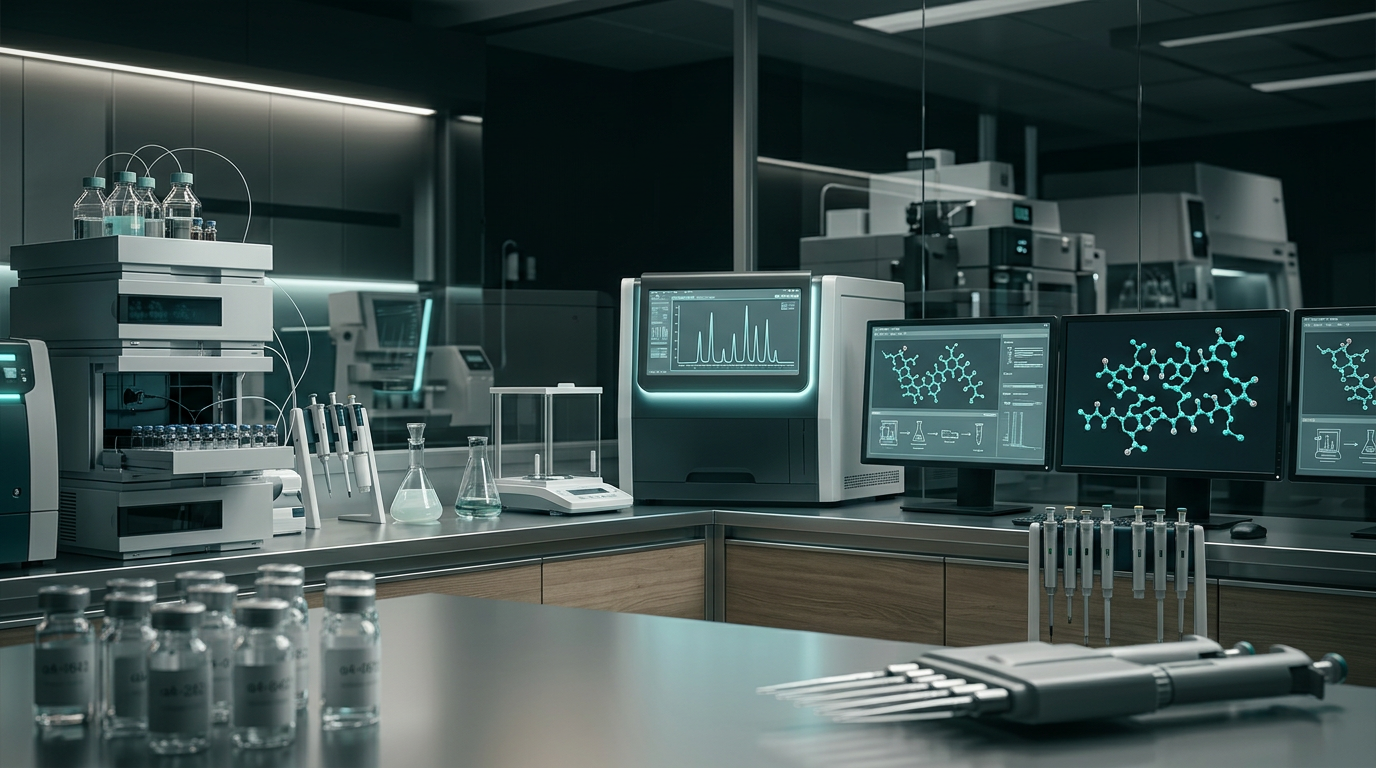
In the context of biochemical research, a true core lab refers to a centralized facility that provides essential analytical services and high-level instrumentation to support experimental consistency. For peptide researchers, this infrastructure is critical for validating the chemical identity and structural integrity of synthetic sequences before they are introduced into in vitro or in vivo models.
Establishing a true core lab standard involves more than just house-keeping; it necessitates a commitment to rigorous documentation and the use of redundant analytical methods. By centralizing these processes, laboratories can minimize inter-batch variability, ensuring that observations recorded during research are representative of the peptide’s biological activity rather than a byproduct of synthesis impurities.
Analytical Methodologies and Purity Verification
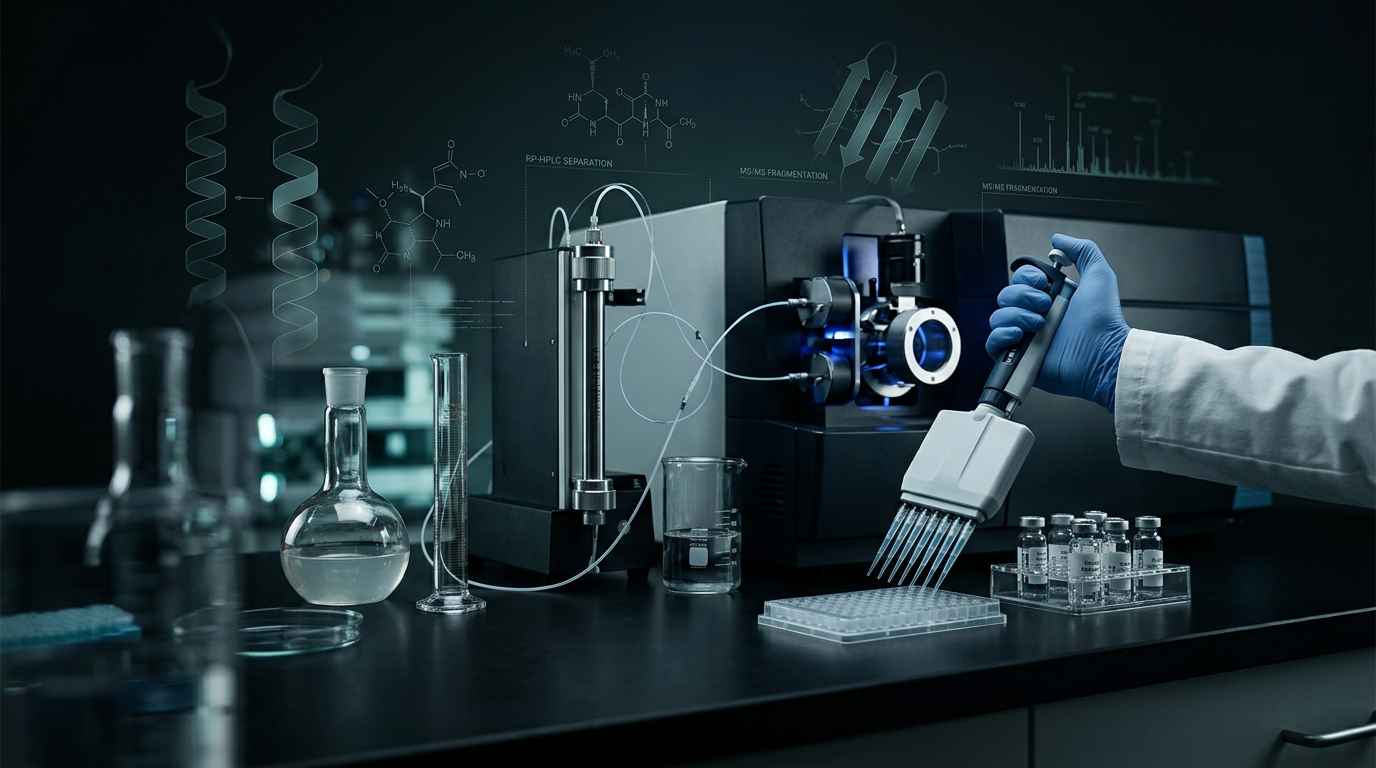
Reliable peptide research requires high-performance liquid chromatography (HPLC) and mass spectrometry (MS) as the primary tools for verification. A true core lab utilizes reversed-phase HPLC to determine the purity of a sample by separating the target peptide from truncated sequences, deletions, or residual solvents used during the solid-phase peptide synthesis (SPPS) process.
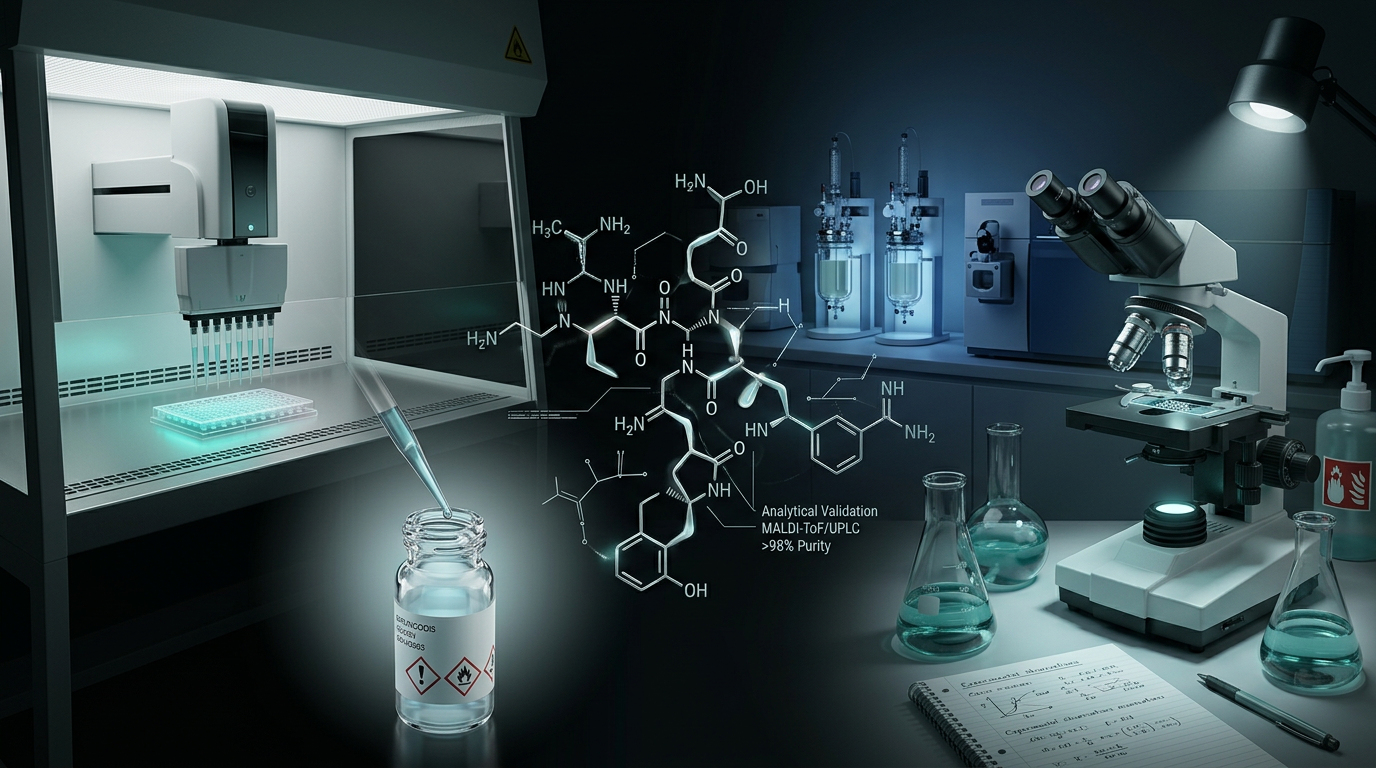
Furthermore, electrospray ionization mass spectrometry (ESI-MS) or matrix-assisted laser desorption/ionization (MALDI) is employed to confirm the exact molecular weight of the sequence. This dual-verification approach ensures that the primary structure of the peptide matches the theoretical sequence, providing a baseline of data that is indispensable for publishing reproducible research results.
Environmental Controls and Sample Integrity
To maintain the status of a true core lab, environmental variables such as temperature, humidity, and light exposure must be strictly monitored. Peptides are inherently sensitive to proteolytic degradation and hydrolysis; therefore, long-term storage typically requires lyophilization and maintenance at temperatures of -20°C or -80°C to preserve chemical stability.
Precision in the core lab also extends to the handling of hygroscopic materials. Researchers must ensure that once a peptide vial is reached to room temperature for weighing, it is protected from atmospheric moisture, which can alter the effective concentration and lead to weighing errors that compromise the precision of experimental dosages.
Practical Considerations for Laboratory Researchers
Implementing a true core lab workflow requires meticulous record-keeping, often utilizing a Laboratory Information Management System (LIMS). This allows researchers to track the lineage of a peptide from the initial synthesis through various purification stages and final aliquotting. Such transparency is vital for troubleshooting unexpected experimental outcomes or data outliers.
Researchers should also prioritize the use of high-purity reagents and filtered solvents to prevent the introduction of exogenous contaminants. By standardizing these practical protocols, the laboratory ensures that the data generated is a precise reflection of the molecular interactions under study, facilitating a higher degree of peer-reviewed validation.
Research Use Only Disclaimer
The information provided regarding true core lab standards and peptide analysis is strictly for educational and laboratory research purposes. The methodologies and substances discussed are intended only for use in a controlled experimental environment by qualified professionals.
These materials are not for human or animal consumption, nor are they intended for diagnostic or therapeutic applications. The content provided herein does not constitute medical advice or clinical guidelines, and all research must be conducted in compliance with applicable institutional and legal regulations.
More questions?
Ask our Support Team — they can answer follow-up questions about this topic, COAs, storage, or anything else in the research library.
Tap the "Chat with us" tab on the right edge of any page.