Overview of Truecore Lab Analytical Frameworks
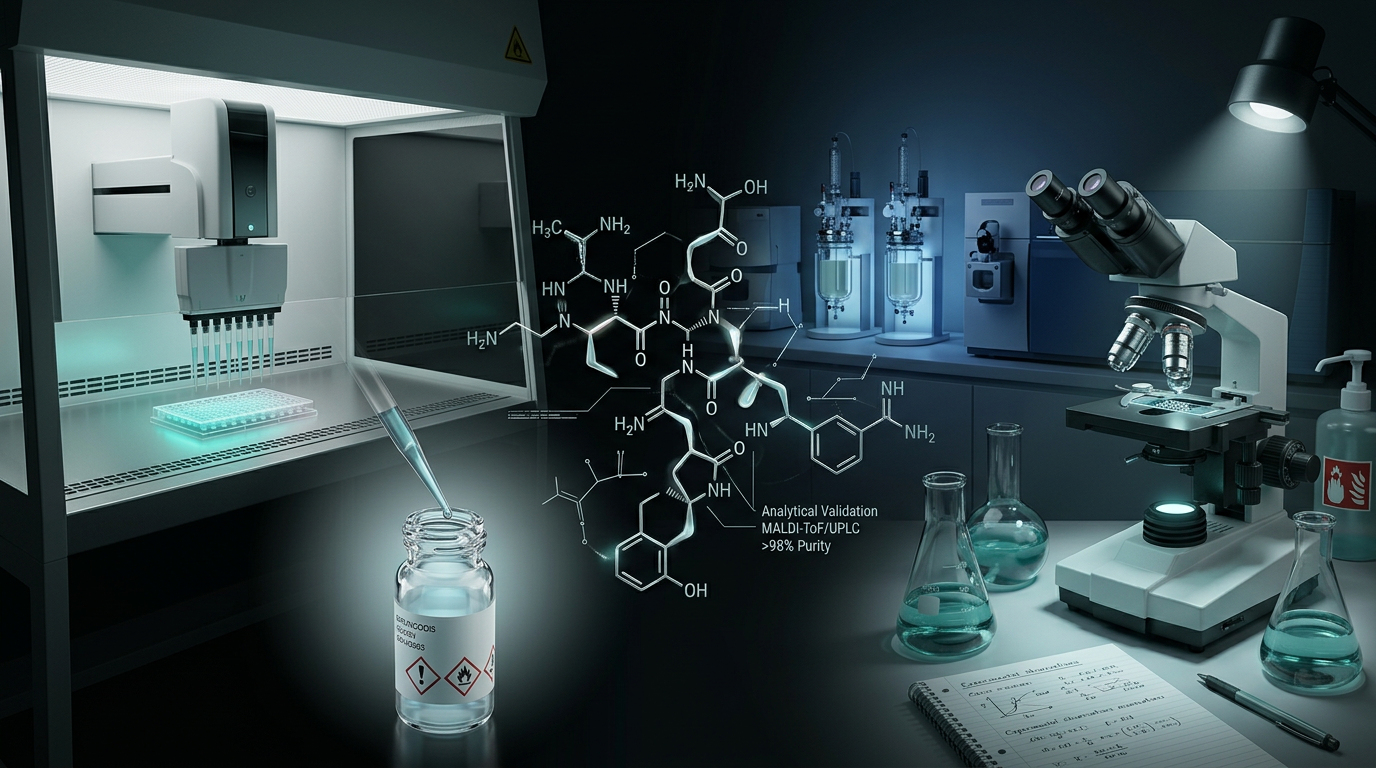
In the context of contemporary biochemical research, the Truecore lab framework refers to the rigorous analytical standards applied to synthetic peptide verification. Ensuring that a compound meets predefined specifications requires a multi-faceted approach to identity and purity, moving beyond simple visual inspection to molecular-level validation.
Precision in the laboratory environment is dependent on the ability to distinguish the target sequence from truncated peptides or chemical leftovers from the synthesis process. Utilizing high-resolution techniques allows researchers to establish a baseline of quality that is essential for reproducible experimental outcomes.
Chromatographic and Spectrometric Science
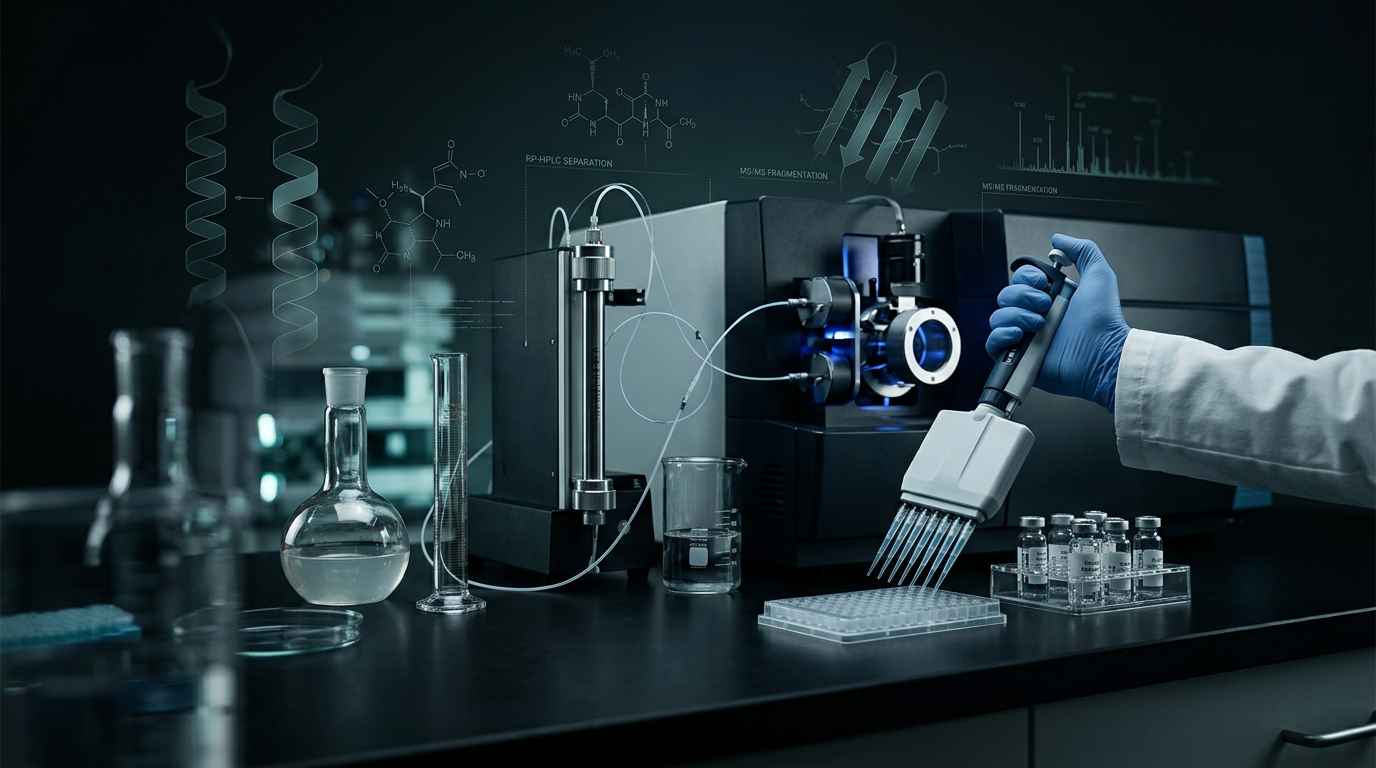
The primary methods utilized in a Truecore lab setting include High-Performance Liquid Chromatography (HPLC) and Mass Spectrometry (MS). HPLC serves to separate the components of a sample based on their hydrophobicity and interaction with the stationary phase. This provides a quantitative measurement of the sample’s purity by calculating the area under the peak relative to total impurities.
Mass Spectrometry complements this by providing the molecular weight of the substance. By ionizing the peptide and measuring its mass-to-charge ratio, scientists can confirm that the molecule synthesized matches the theoretical mass of the intended sequence, identifying even minor fluctuations in atomic mass that could indicate oxidation or deamidation.
Practical Implications for In Vitro Research
For researchers conducting specialized assays, the integration of Truecore lab standards is vital for mitigating variables. Even a 5% impurity margin can introduce confounding biological responses in cell culture models, potentially leading to false-positive or false-negative results. High-purity reagents ensure that the observed cellular behavior is a direct result of the peptide-receptor interaction being studied.
Furthermore, the stability of the peptide during long-term storage is a critical practical consideration. Lyophilized samples verified through these rigorous protocols generally exhibit higher structural integrity when stored at -20°C or -80°C, as the absence of residual solvents or salts reduces the kinetics of degradation.
Standardization in Peptide Sequencing
Beyond initial purity, confirming the amino acid sequence is a cornerstone of the Truecore lab approach. Techniques such as Edman degradation or tandem mass spectrometry (MS/MS) allow for the mapping of individual residues. This ensures that the primary structure, including the specific arrangement of disulfide bonds if applicable, is correctly folded and oriented.
Such detailed characterization is particularly useful when working with complex analogs or modified peptides where domestic and international synthesis standards may vary. Consistent documentation of these sequences allows for seamless peer-review and data verification across different research institutions.
Laboratory Research Use Only Disclaimer
The methodologies and analytical observations described herein pertain strictly to a laboratory research environment. All data regarding the Truecore lab standards are provided for informational purposes to assist in the advancement of biochemical and pharmacological studies.
These materials and the information provided are not intended for human or veterinary use. They are not to be utilized for diagnostic, therapeutic, or clinical applications. All handled substances must be managed by qualified professionals within a controlled laboratory setting in accordance with local and federal regulations.
More questions?
Ask our Support Team — they can answer follow-up questions about this topic, COAs, storage, or anything else in the research library.
Tap the "Chat with us" tab on the right edge of any page.