The Role of Third Party Tested Peptides in Science
In the field of peptide synthesis, ensuring the chemical identity and purity of a compound is fundamental to the integrity of any experimental dataset. Third party tested peptides refer to synthetic sequences that have undergone independent verification by an autonomous analytical laboratory, separate from the primary manufacturing facility. This process provides an unbiased layer of validation, confirming that the molecular structure and concentration align with the intended specifications.
For researchers, utilizing independently verified materials minimizes the risk of experimental confounding variables. Without rigorous certification, impurities such as truncated sequences, residual solvents, or salts can interfere with biological assays, potentially leading to false positives or non-reproducible results. Independent testing serves as a critical checkpoint in the scientific supply chain.
Analytical Methodologies: HPLC and MS
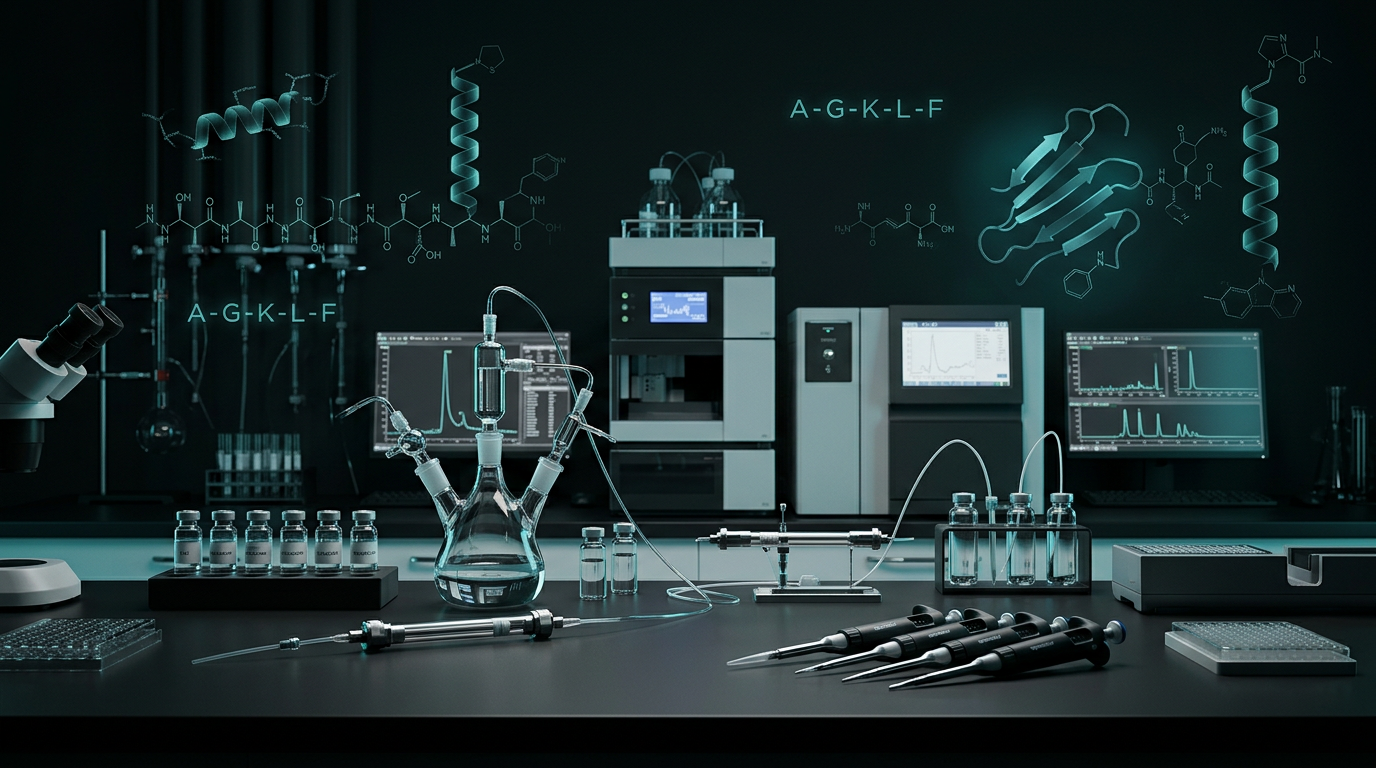
The primary methods employed to validate third party tested peptides are High-Performance Liquid Chromatography (HPLC) and Mass Spectrometry (MS). HPLC is utilized to determine the chromatographic purity of the sample. By passing the peptide through a stationary phase column under high pressure, individual components are separated based on their hydrophobic or hydrophilic properties. A purity level of 98% or higher is generally the benchmark for high-quality research reagents.
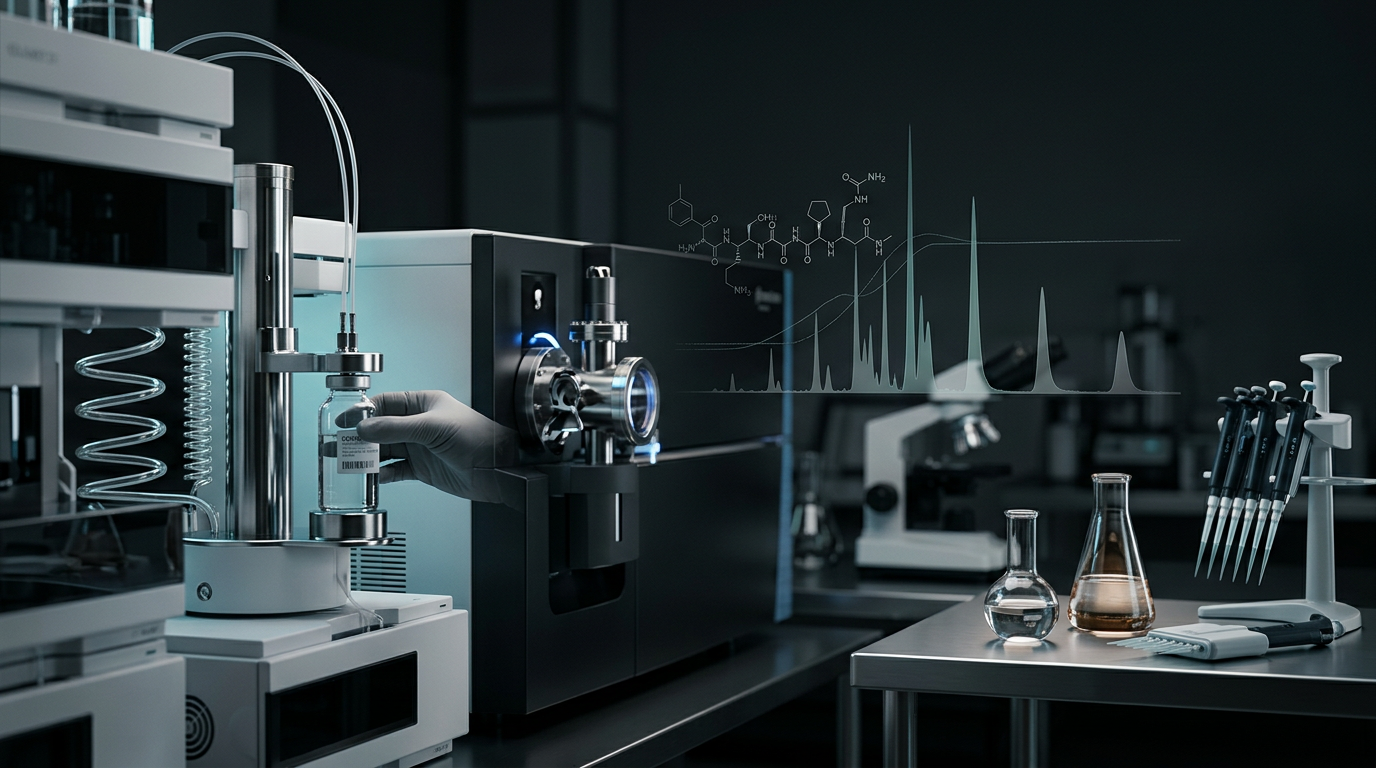
Mass Spectrometry is subsequently used to confirm the molecular weight of the peptide. By ionizing the molecules and measuring their mass-to-charge ratio, analysts can compare the observed mass against the theoretical mass of the sequence. This ensures that the peptide synthesised is indeed the correct sequence and has not undergone unintended chemical modifications or degradation during the lyophilization process.
Quantification of Residual Contaminants
Beyond sequence identity and purity, third party testing often evaluates the presence of residual substances from the Solid-Phase Peptide Synthesis (SPPS) process. This includes the quantification of trifluoroacetic acid (TFA), which is frequently used as a cleavage agent. High levels of TFA can affect the pH of cultured media and influence the results of sensitive in vitro assays.
Additionally, independent labs may screen for moisture content and residual solvents. Because peptides are hygroscopic, excessive water content can lead to inaccurate gravimetric measurements, resulting in lower-than-intended concentrations during reconstitution. Rigorous third-party analysis provides researchers with the precise net peptide content required for accurate molar calculations.
Selection Criteria for Laboratory Reagents
When procuring materials for laboratory use, scientists prioritize transparency in the Certificate of Analysis (COA). A comprehensive COA for third party tested peptides should include a clear chromatogram, mass spectra data, and a timestamp correlating to the specific batch number. This level of documentation allows for full traceability within the laboratory's quality management system.
The selection of reagents with verified purity profiles is essential for longitudinal studies where consistency between batches is required. Variation in purity can introduce noise into data, complicating the interpretation of dose-response curves or kinetic studies. Therefore, independent verification remains a standard requirement for high-impact biochemical research.
Laboratory Research Use Only Disclaimer
The informational content provided in this article is intended strictly for educational and laboratory research purposes. The peptides discussed, including those characterized as third party tested peptides, are NOT intended for human or animal consumption, nor are they to be used for diagnostic or therapeutic applications.
Under no circumstances should this information be construed as medical advice or as an endorsement for the clinical use of these substances. All chemical reagents must be handled by qualified professionals within a controlled laboratory environment, adhering to standard safety protocols and local regulatory guidelines.
More questions?
Ask our Support Team — they can answer follow-up questions about this topic, COAs, storage, or anything else in the research library.
Tap the "Chat with us" tab on the right edge of any page.