Introduction to Peptide Vial Research
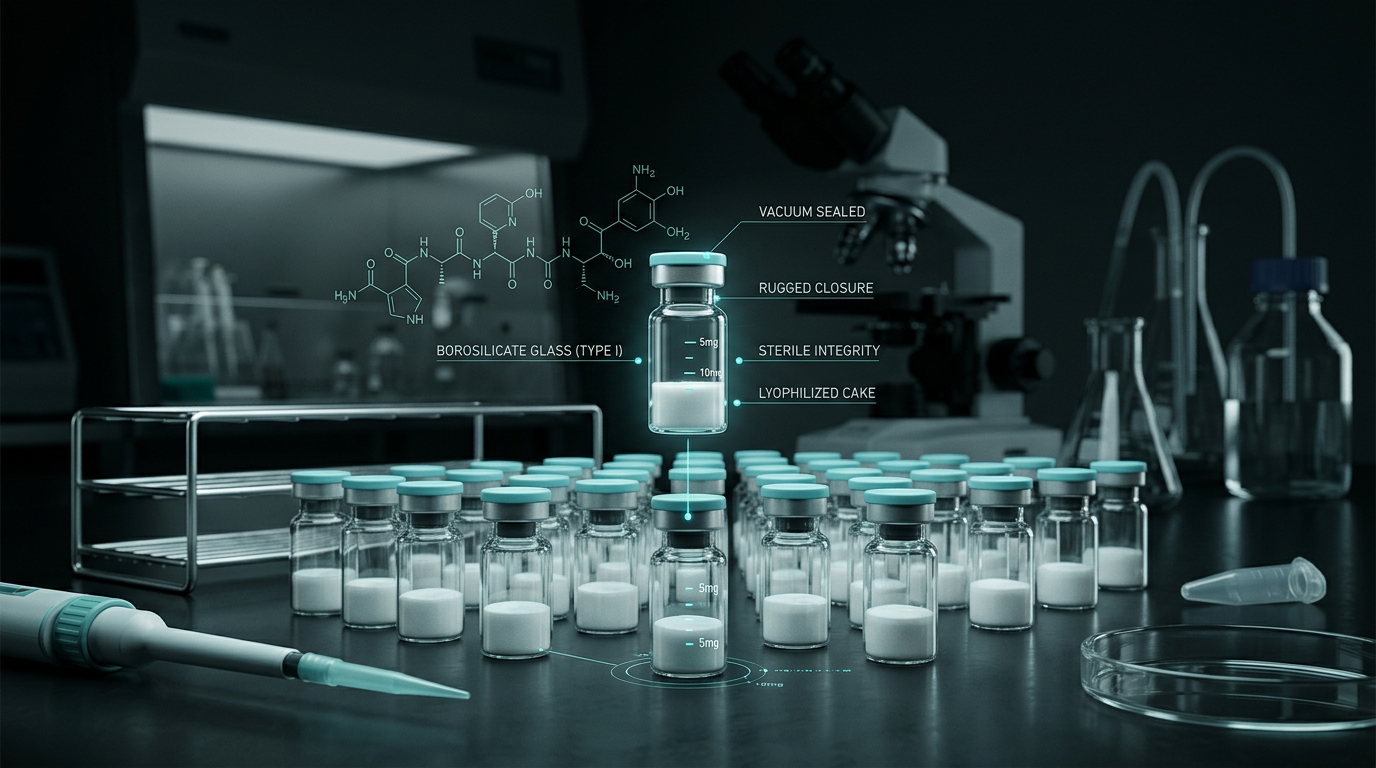
In the context of modern biochemistry, peptide vial research refers to the systematic investigation of short-chain amino acids synthesized and stored in vacuum-sealed glass containers. These vials typically contain a lyophilized (freeze-dried) powder, which represents the most stable state for delicate peptide bonds during transport and long-term storage. By removing water through sublimation, researchers can minimize the risk of enzymatic degradation and spontaneous hydrolysis.
The integrity of a peptide vial is paramount to experimental reproducibility. Maintaining a sterile, airtight environment prevents the introduction of contaminants and moisture, which could otherwise compromise the chemical profile of the synthesized sequence. Understanding the physical properties of the lyophilized cake within the vial is the first step in successful proteomic analysis.
The Science of Lyophilization and Stability
The primary objective of peptide vial research is to maintain the primary and secondary structures of the peptide until the point of assay. Lyophilization achieves this by lowering the temperature of the peptide solution to a solid state and then reducing the surrounding pressure to allow the frozen water to transition directly from the solid to the gas phase. This process results in a porous structure that allows for rapid dissolution upon the introduction of a solvent.
Thermodynamic stability varies significantly between different peptide sequences. Factors such as the presence of cysteine residues, which can form disulfide bridges, or the propensity for aggregation, dictate how a specific peptide vial must be handled. Laboratory researchers must account for the glass transition temperature of the excipients used in the formulation to ensure the structural longevity of the material.
Reconstitution Protocols in Laboratory Settings
Reconstitution is a critical phase of peptide vial research, requiring precise calculations to achieve the desired molarity. The choice of bacteriostatic water, sterile saline, or specific buffers depends on the solubility profile of the peptide. For instance, hydrophobic peptides may require a small amount of acetic acid or DMSO before the addition of aqueous media to ensure complete solvation.
Researchers must exercise caution during the mixing process to avoid mechanical shear. Aggressive agitation or vortexing can disrupt sensitive molecular structures. Instead, the gentle rotation of the vial is recommended. Once reconstituted, the peptide's shelf life decreases significantly, necessitating immediate use or carefully controlled aliquotting for subsequent experimental sessions.
Analytical Verification and Quality Control
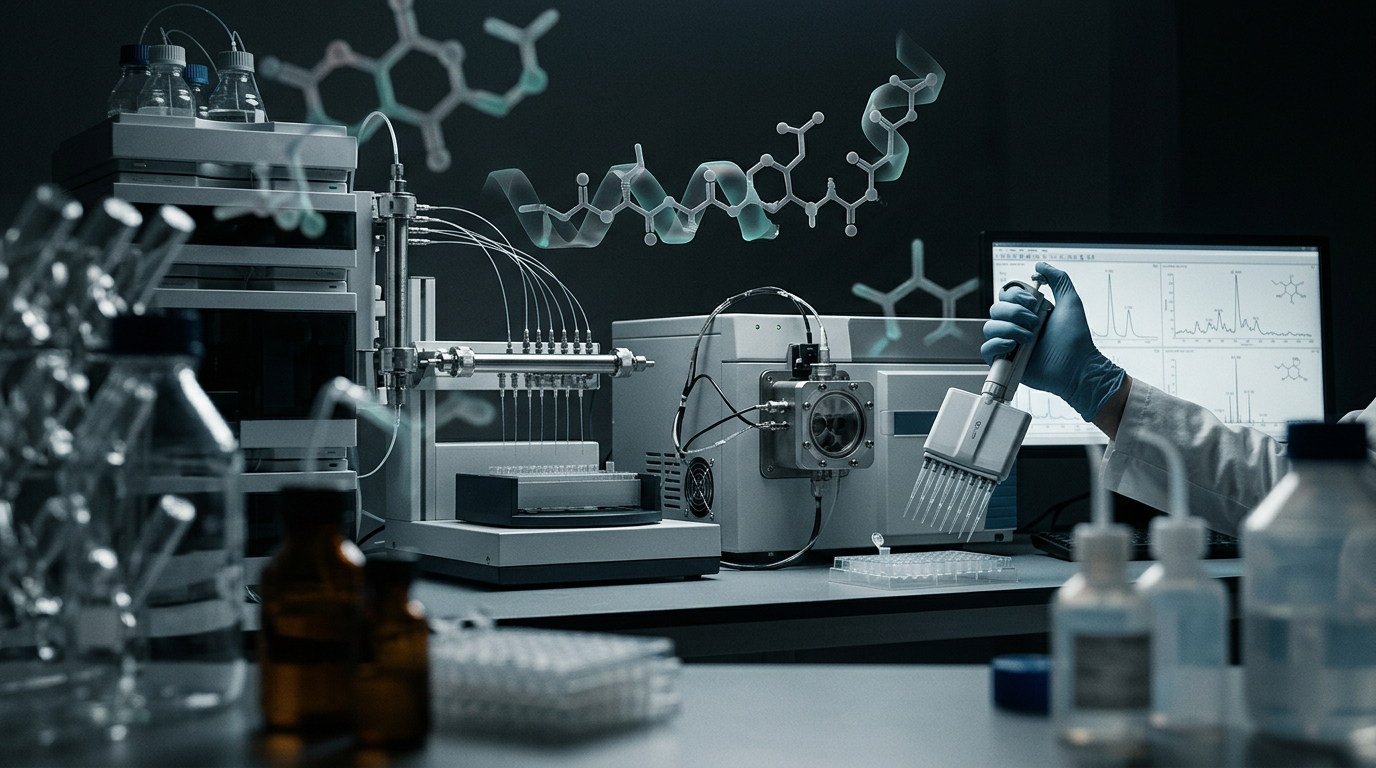
To ensure the validity of peptide vial research, scientists utilize High-Performance Liquid Chromatography (HPLC) and Mass Spectrometry (MS). These analytical techniques confirm the purity level and the molecular mass of the peptide, respectively. A purity threshold of 98% or higher is generally sought for rigorous in vitro studies to minimize the influence of truncated sequences or residual solvents on data points.
Consistent batch-to-batch monitoring is essential for longitudinal studies. Changes in the peptide's appearance, such as discoloration or collapse of the lyophilized cake, may indicate a breach in vial vacuum or exposure to thermal stress, both of which can lead to chemical deamidation or oxidation.
Research Use Only Disclaimer
The information provided regarding peptide vial research is intended strictly for educational and laboratory purposes. These substances are manufactured specifically for in vitro experimentation and academic inquiry within controlled research environments.
Under no circumstances should the contents of a research vial be used for human or animal consumption, diagnostic procedures, or therapeutic applications. The handling of these materials must be conducted by qualified professionals following established biosafety protocols and institutional guidelines.
More questions?
Ask our Support Team — they can answer follow-up questions about this topic, COAs, storage, or anything else in the research library.
Tap the "Chat with us" tab on the right edge of any page.