Introduction to Peptide Purity Tested Standards
In chemical synthesis, particularly regarding amino acid chains, purity is defined as the percentage of the target peptide sequence relative to the total quantity of material. When a compound is described as peptide purity tested, it means the substance has undergone analytical validation to quantify the presence of the desired molecule against contaminants such as truncated sequences, leftover protecting groups, or trifluoroacetate (TFA) salts.
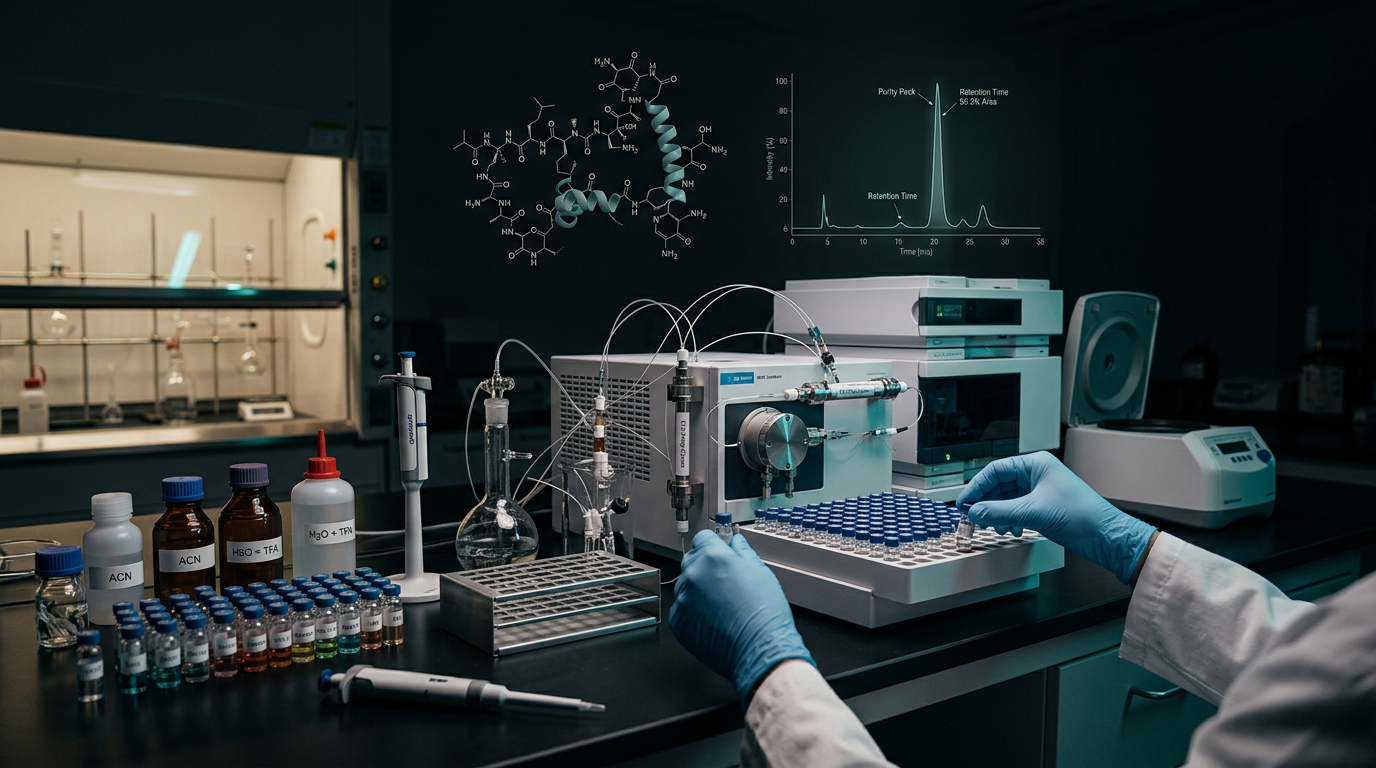
High-performance liquid chromatography (HPLC) is the primary benchmark for determining this percentage. In a laboratory setting, ensuring that a peptide is purity tested allows researchers to maintain consistency across experimental trials, reducing variables that could interfere with biological assays or receptor binding studies.
Analytical Methodology: HPLC and MS Integration
The process of ensuring a sample is peptide purity tested involves two primary analytical techniques: High-Performance Liquid Chromatography (HPLC) and Mass Spectrometry (MS). HPLC separates the components of the sample based on polarity or hydrophobicity. The resulting chromatogram displays 'peaks'; the area under the main peak relative to the sum of all peak areas determines the purity percentage.
Mass Spectrometry is subsequently utilized to confirm the molecular weight of the main peak. While HPLC confirms the quantity of the dominant molecule, MS confirms its identity. For a peptide to be considered rigorously tested, both the purity percentage and the identity confirmation must align with the theoretical mass of the sequence.
Impact of Impurities on Laboratory Research
Using materials that are not peptide purity tested to a high standard (typically >98%) can lead to significant experimental interference. Impurities such as deletion sequences—where one amino acid is missing from the chain—may still bind to receptors but elicit different physiological responses, leading to false-positive or false-negative results.
Furthermore, residual solvents or salts from the synthesis process can alter the pH of the research environment or cause unexpected cellular toxicity. By utilizing peptide purity tested reagents, researchers can isolate the effects of the specific peptide sequence without the confounding influence of manufacturing byproducts.
Storage and Stability of Validated Peptides
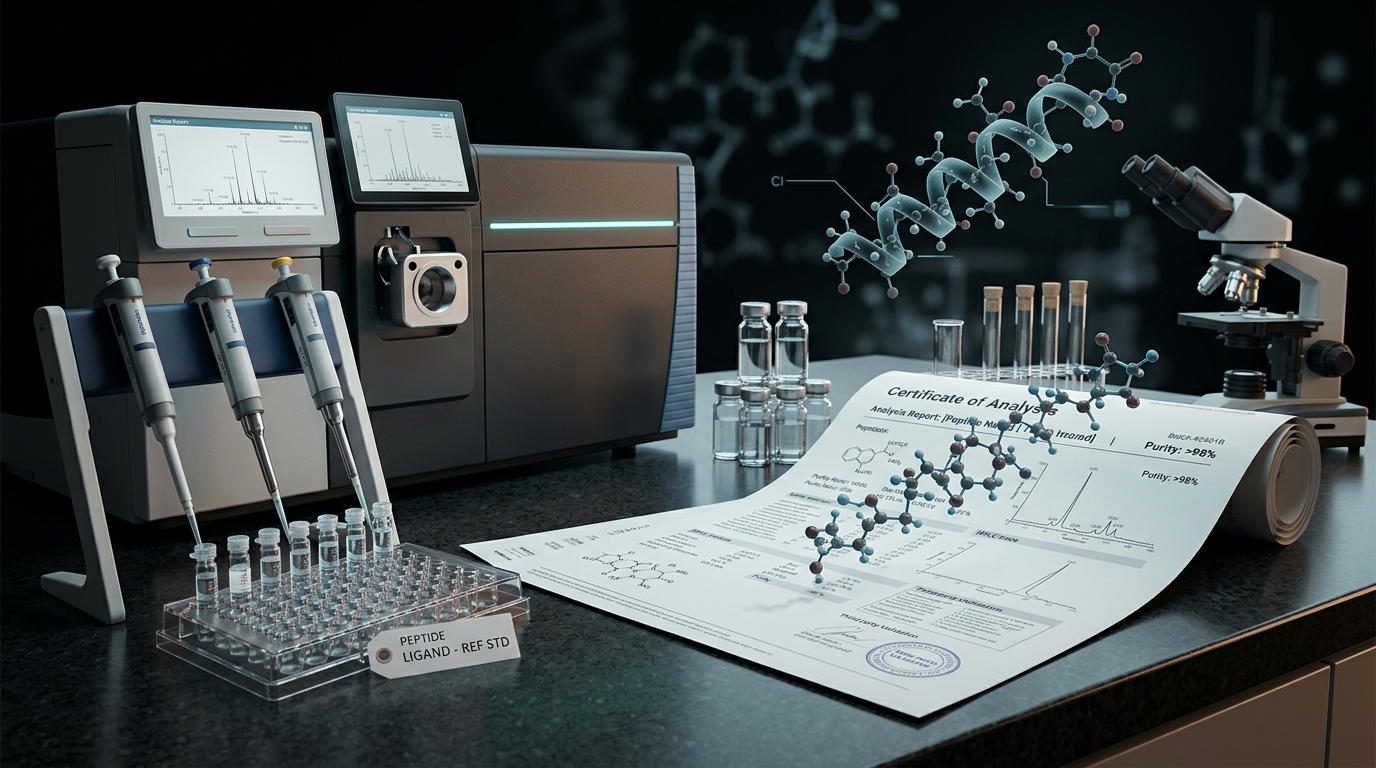
Even when a peptide is purity tested at the point of manufacture, improper handling can lead to degradation. Hydrolysis and oxidation are common pathways that reduce purity over time. Researchers should store lyophilized peptides in a desiccated environment at -20°C or -80°C to maintain the validated purity levels documented on the Certificate of Analysis (COA).
Repeated freeze-thaw cycles should be avoided once the peptide is reconstituted in a buffer. It is recommended to aliquot the solution into single-use volumes to ensure that the peptide purity tested at the time of synthesis remains as close to the initial specification as possible throughout the duration of the study.
Strictly for Laboratory Research Use
The information presented in this article is intended solely for educational and laboratory research purposes. The verification of chemical purity is a fundamental aspect of analytical chemistry and is not a validation of safety or efficacy for any type of human or animal application.
Under no circumstances should peptide purity tested compounds be used for therapeutic, diagnostic, or clinical purposes. All research must be conducted by qualified professionals within a controlled laboratory setting, adhering to all local and federal regulations regarding the handling of synthetic peptides.
More questions?
Ask our Support Team — they can answer follow-up questions about this topic, COAs, storage, or anything else in the research library.
Tap the "Chat with us" tab on the right edge of any page.