Overview of the Modern Research Peptide Catalog
A research peptide catalog serves as a fundamental resource for investigators seeking high-purity sequences for biochemical assays and structural biology studies. These libraries encompass a broad spectrum of compounds, ranging from endogenous hormone analogs to synthetic ligands designed for high-affinity receptor binding. By providing standardized access to diverse molecular structures, these catalogs facilitate systematic exploration in fields such as neurobiology, metabolic signaling, and regenerative medicine.
The utility of these collections extends beyond simple availability; they offer researchers precisely defined tools to probe cellular pathways. Whether utilizing standard signaling peptides or exploring niche antimicrobial motifs, the catalog provides the baseline chemical architecture necessary for rigorous experimental design.
Principles of Peptide Synthesis and Purification
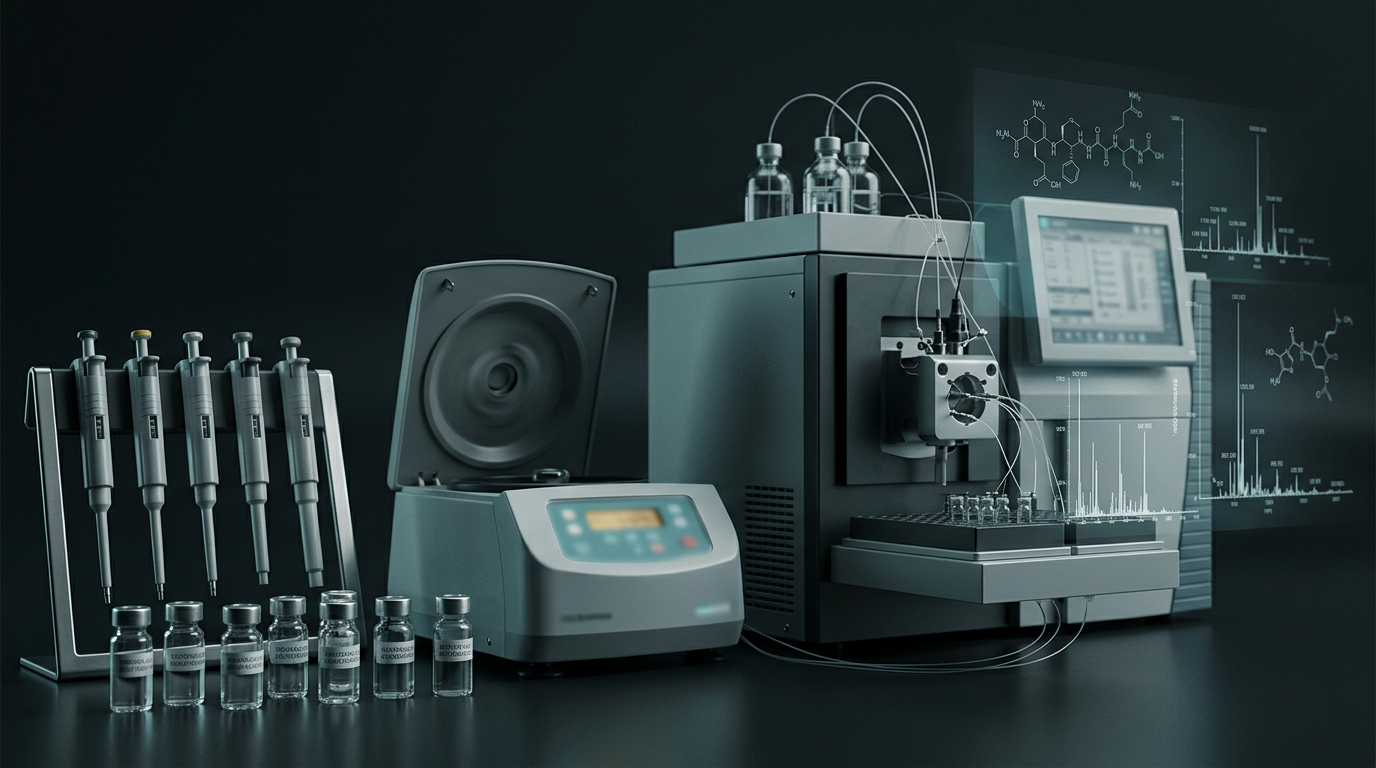
The molecules found within a research peptide catalog are typically produced via Solid-Phase Peptide Synthesis (SPPS). This methodical process involves the sequential addition of protected amino acids to a resin-bound chain, allowing for the creation of complex sequences with high fidelity. Following synthesis, the crude peptide must undergo High-Performance Liquid Chromatography (HPLC) to remove truncated sequences and byproduct impurities.
Precision in this area is vital, as even minor contaminants can significantly alter the results of an in vitro assay. Analytical verification through Mass Spectrometry (MS) ensures that the molecular weight of the synthesized compound matches the theoretical value, confirming the structural integrity of the peptide before it reaches the laboratory setting.
Selection Criteria for Experimental Design
When browsing a research peptide catalog, investigators must account for specific biochemical properties such as solubility, stability, and hydrophobicity. The net charge of a peptide, influenced by its amino acid composition, dictates the choice of diluents. For instance, basic peptides often require acidic environments for optimal dissolution, whereas hydrophobic sequences may necessitate the use of organic solvents like DMSO to achieve a homogenous solution.
Furthermore, researchers should consider the presence of modifications such as C-terminal amidation or N-terminal acetylation. These modifications are frequently utilized to mimic the biological state of a peptide or to increase resistance against proteolytic degradation during prolonged laboratory observation.
Storage and Reconstitution Protocols
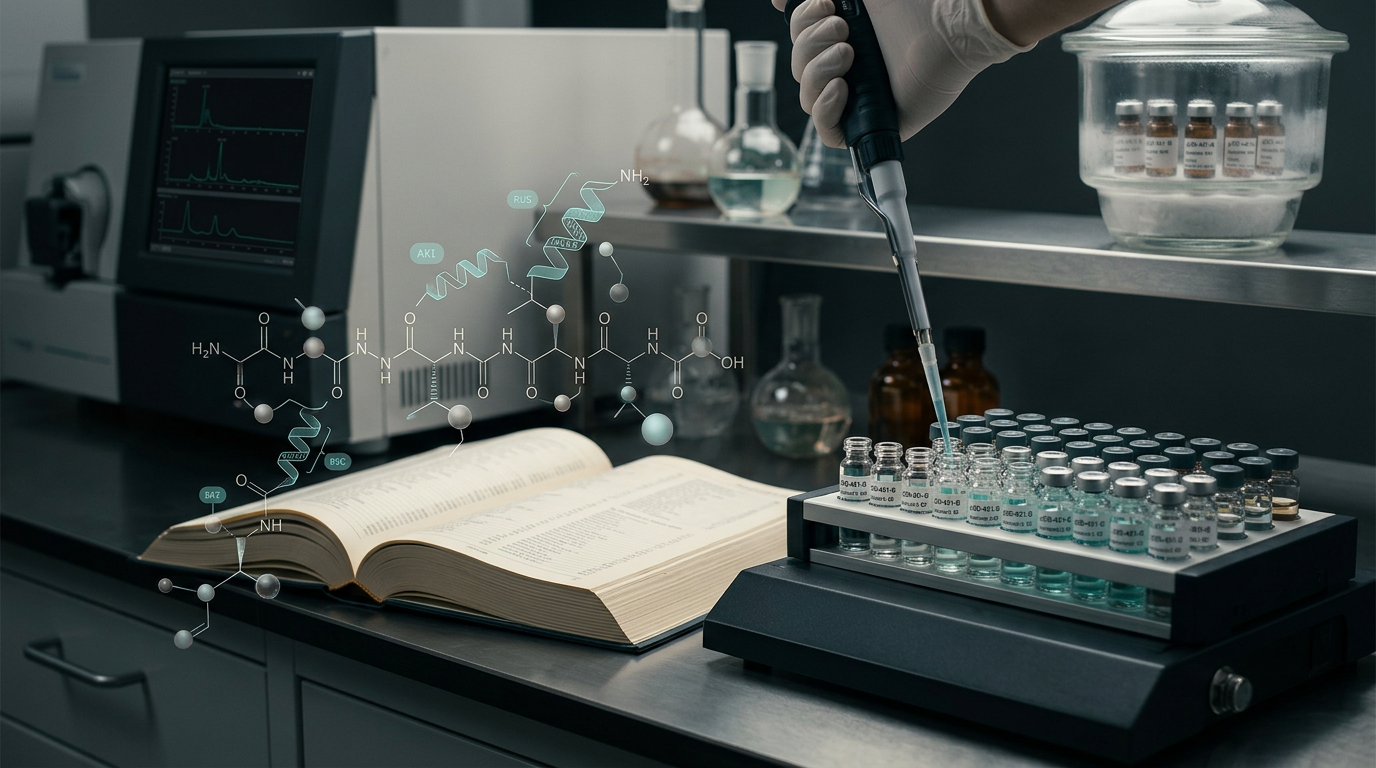
Maintaining the stability of peptides sourced from a research peptide catalog is critical for reproducibility. Most synthetic peptides are provided in a lyophilized (freeze-dried) state, which maximizes long-term stability by minimizing moisture-induced degradation. These powders should generally be stored at -20°C or -80°C to prevent oxidation and hydrolysis.
Upon reconstitution, the peptides are more susceptible to physical and chemical changes. Researchers are encouraged to aliquot the solution to avoid multiple freeze-thaw cycles, which can cause mechanical shearing of the peptide bonds or lead to aggregation, ultimately compromising the validity of the experimental data.
Laboratory Use and Regulatory Compliance
All materials documented in a research peptide catalog are intended strictly for in vitro laboratory research and animal study applications within controlled environments. These compounds are not intended for human consumption or therapeutic use. Researchers must possess the appropriate training and follow institutional biosafety guidelines when handling these chemical agents.
This article is provided for educational purposes only and does not constitute medical advice or recommendations. The chemical properties and biological activities described herein are meant to inform laboratory inquiry. Proper documentation and adherence to local regulations regarding the handling of synthetic research chemicals are mandatory for all investigative personnel.
More questions?
Ask our Support Team — they can answer follow-up questions about this topic, COAs, storage, or anything else in the research library.
Tap the "Chat with us" tab on the right edge of any page.