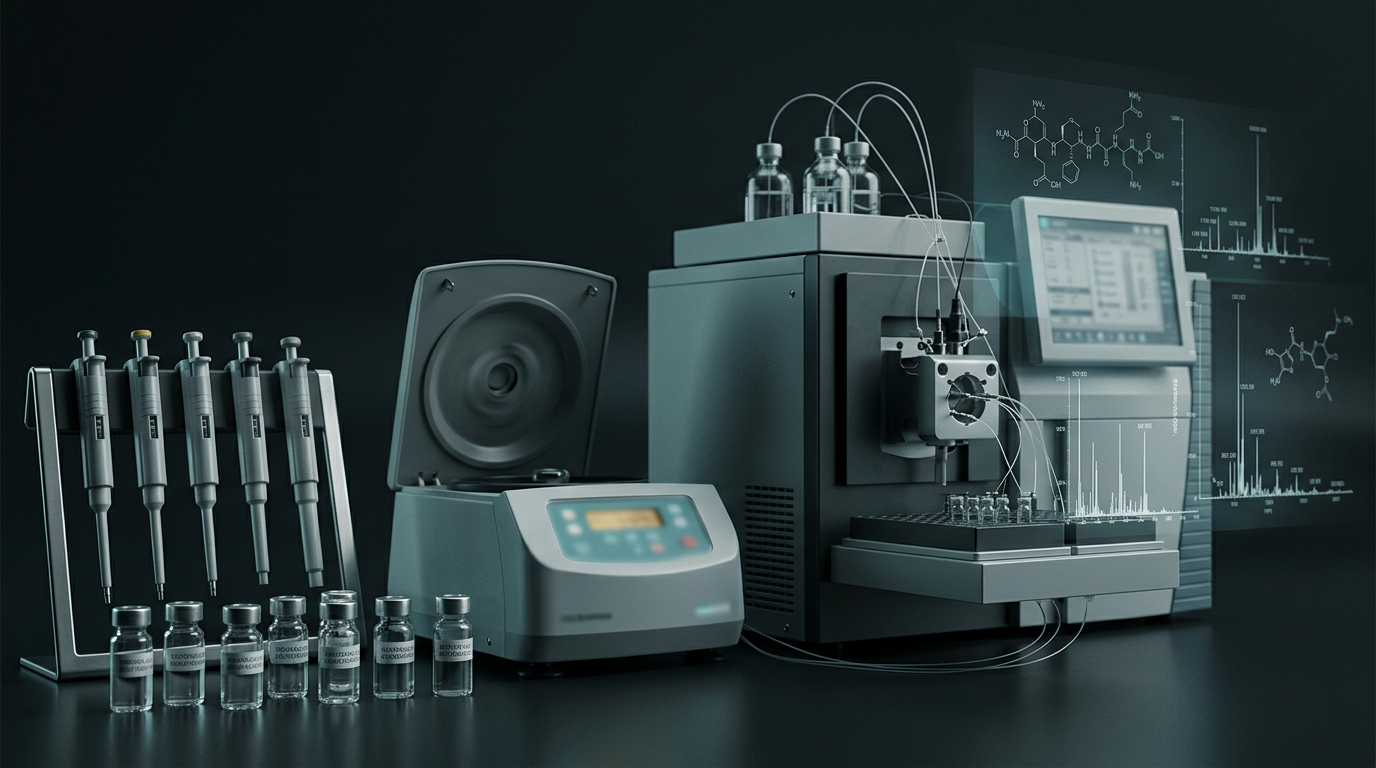
Overview of Sourcing Research Peptides Online
The availability of synthetic amino acid chains via digital catalogs has transformed the landscape of biochemical study. When laboratories source research peptides online, they are accessing complex molecules designed to mimic or modulate biological processes in vitro or in animal models. These compounds are synthesized using solid-phase peptide synthesis (SPPS), a process that requires rigorous oversight to ensure the resulting sequence matches the intended molecular structure.
Precision in peptide selection is foundational to experimental reproducibility. High-quality digital distribution channels provide researchers with access to diverse sequences, from signaling molecules to receptor ligands, facilitating advancements in proteomics, endocrinology, and pharmacology. However, the decentralization of these resources necessitates a stringent approach to vendor selection based on empirical data rather than commercial aesthetics.
Analytical Verification and Purity Standards
The scientific integrity of any study involving peptides is contingent upon the purity of the chemical reagents. Common impurities in synthesized peptides include truncated sequences, deprotected fragments, and residual solvents. Therefore, when evaluating research peptides online, the presence of a third-party Certificate of Analysis (COA) is mandatory. This documentation should ideally include High-Performance Liquid Chromatography (HPLC) and Mass Spectrometry (MS) data.
HPLC is utilized to determine the chemical purity of the peptide by separating the target molecule from impurities based on hydrophobicity, while Mass Spectrometry confirms the molecular weight of the substance. For most laboratory applications, a purity threshold of 98% or higher is the industry standard. Lower purity levels may introduce confounding variables, as structural analogs can interfere with receptor binding assays or cellular signaling studies.
Stability, Lyophilization, and Storage
Peptides are inherently sensitive to thermal degradation and enzymatic hydrolysis. To maintain structural integrity during transit and long-term storage, most research peptides available online are provided in a lyophilized (freeze-dried) state. This process removes water through sublimation, resulting in a stable powder that can be stored at sub-zero temperatures to prevent deamidation or oxidation.
Upon receipt in a laboratory setting, these vials should be stored at -20°C or -80°C for maximum longevity. Researchers must also account for the hygroscopic nature of lyophilized powders; vials should be allowed to equilibrate to room temperature before opening to prevent atmospheric moisture from condensing on the product, which could lead to rapid degradation.
Methodological Considerations for In Vitro Application
Reconstitution is a critical step in the transition from procurement to experimentation. The choice of solvent—commonly sterile bacteriostatic water, phosphate-buffered saline (PBS), or acetic acid—depends entirely on the peptide's isoelectric point and hydrophobicity. Improper pH levels during reconstitution can lead to peptide precipitation, rendering the solution unusable for quantitative assays.
Furthermore, researchers must implement precise aliquotting strategies. Repeated freeze-thaw cycles are detrimental to peptide stability and can result in the loss of secondary structure. By preparing single-use aliquots from the master stock, scientists ensure that the chemical potency remains consistent across all experimental replicates, thereby upholding the statistical power of the research.
Laboratory Use and Safety Disclaimer
The information presented here is intended exclusively for educational and laboratory development purposes. All compounds discussed, and the process of sourcing research peptides online, are strictly designated for in vitro and animal research applications by qualified professionals.
These substances are not intended for human or veterinary use, nor are they designed for diagnostic or therapeutic applications. This article does not constitute medical advice or clinical recommendations. Compliance with local regulations and institutional biosafety protocols is a prerequisite for the handling and utilization of any research-grade materials.
More questions?
Ask our Support Team — they can answer follow-up questions about this topic, COAs, storage, or anything else in the research library.
Tap the "Chat with us" tab on the right edge of any page.