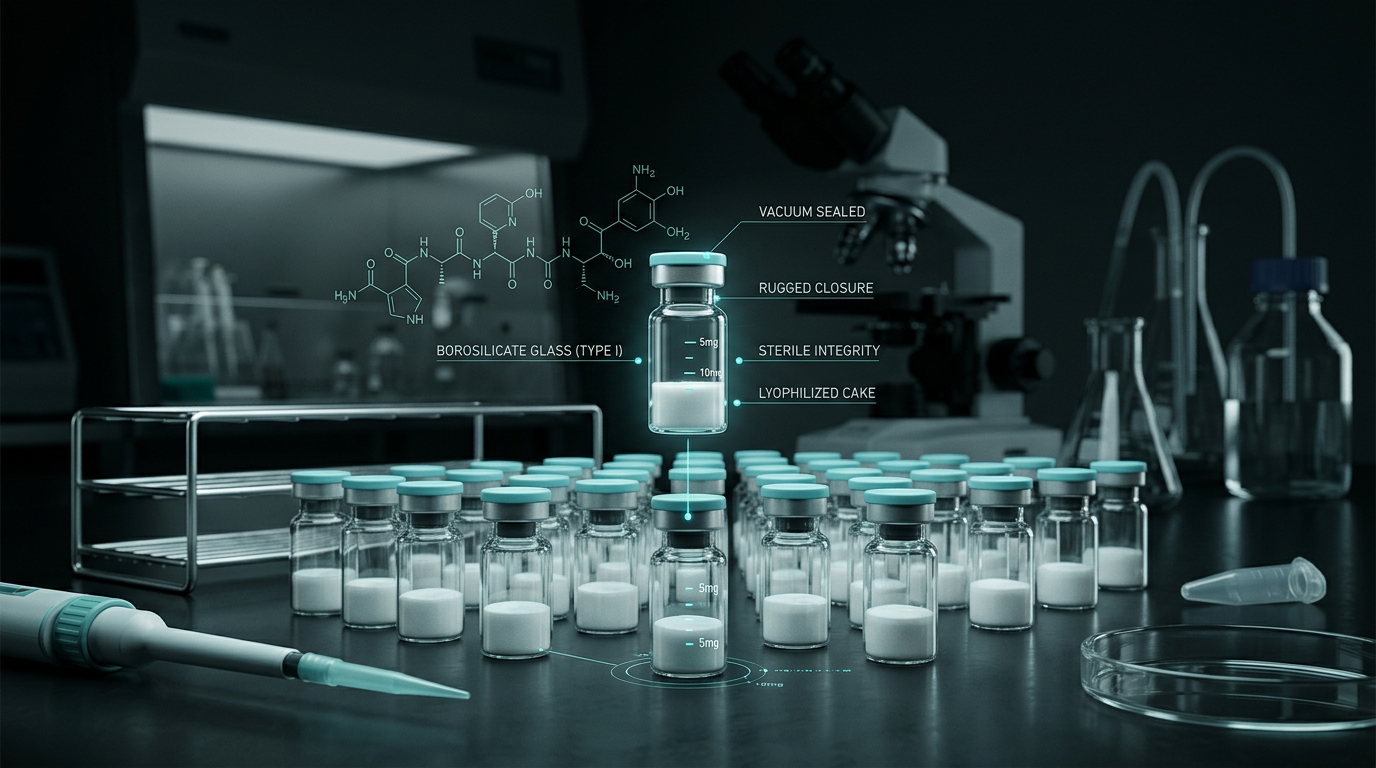
Overview of Peptide Batch Lookup Processes
In the context of biochemical research, a peptide batch lookup refers to the systematic verification of analytical data associated with a specific production lot. Every synthetic peptide sequence undergoes a distinctive synthesis cycle, including deprotection, coupling, and cleavage, which can result in minor variations between manufacturing runs. Utilizing a lookup system allows researchers to cross-reference their specific vial with documented analytical results.
The primary objective of this process is to provide transparency regarding the specifications of the reagent. By entering a unique batch or lot number, laboratory personnel can retrieve essential data such as the Certificate of Analysis (COA), which confirms that the identity and purity of the peptide meet the strictly defined parameters required for reproducible experimentation.
The Science of Analytical Verification
The effectiveness of a peptide batch lookup relies on the precision of two fundamental analytical techniques: High-Performance Liquid Chromatography (HPLC) and Mass Spectrometry (MS). HPLC is utilized to determine the chemical purity of the peptide by separating the target sequence from any truncated or incomplete fragments. The resulting chromatogram provides a percentage representing the relative abundance of the desired molecule.
Electrospray Ionization Mass Spectrometry (ESI-MS) serves as the definitive tool for identity verification. By measuring the mass-to-charge ratio of the ions, researchers can confirm the molecular weight of the peptide against its theoretical value. A comprehensive batch report will include both the HPLC trace and the MS spectrum, ensuring that the primary sequence is correct and that the sample is free from significant synthetic impurities.
Interpreting Batch-Specific Purity Levels
Researchers must differentiate between 'purity' and 'peptide content' when reviewing batch data. A reported purity of >98% indicates that 98% of the material present by UV absorbance at 214nm is the target peptide. However, the total mass of the lyophilized powder also includes residual salts, such as Trifluoroacetic acid (TFA), and moisture. This distinction is critical for calculating precise molar concentrations in quantitative assays.
A peptide batch lookup often provides the Net Peptide Content (NPC), which accounts for these non-peptide components. Utilizing this data ensures that experimental dosing is based on the actual amount of peptide available, rather than the gross weight of the powder, thereby reducing variability in ligand-receptor binding studies or enzymatic assays.
Practical Implications for Laboratory Workflow
Integrating a systematic lookup into laboratory protocols enhances the traceability of research data. If an unexpected result occurs during an in vitro study, the ability to refer back to the specific batch data allows the investigator to rule out reagent degradation or sequence errors as potential confounding variables. This is particularly vital in longitudinal studies where multiple batches of the same sequence may be used over several months.
Furthermore, batch-specific documentation provides information on the solubility characteristics and the specific counter-ion used during purification. Knowing whether a peptide was purified as a TFA, acetate, or HCl salt allows for proper buffer selection to maintain pH stability and peptide solubility throughout the duration of the experiment.
Research Use Only Designation
The information provided via any peptide batch lookup and within this article is intended strictly for educational and laboratory research purposes. These reagents are chemical substances designed for in vitro and animal model experimentation by qualified professionals. They are not intended for diagnostic, therapeutic, or clinical applications in humans or animals.
Nothing contained herein shall be construed as a recommendation for the medical use of these substances. Proper laboratory safety protocols and local regulatory guidelines must always be followed when handling synthetic peptides and interpreting analytical data.
More questions?
Ask our Support Team — they can answer follow-up questions about this topic, COAs, storage, or anything else in the research library.
Tap the "Chat with us" tab on the right edge of any page.