Defining Precision Research Peptides
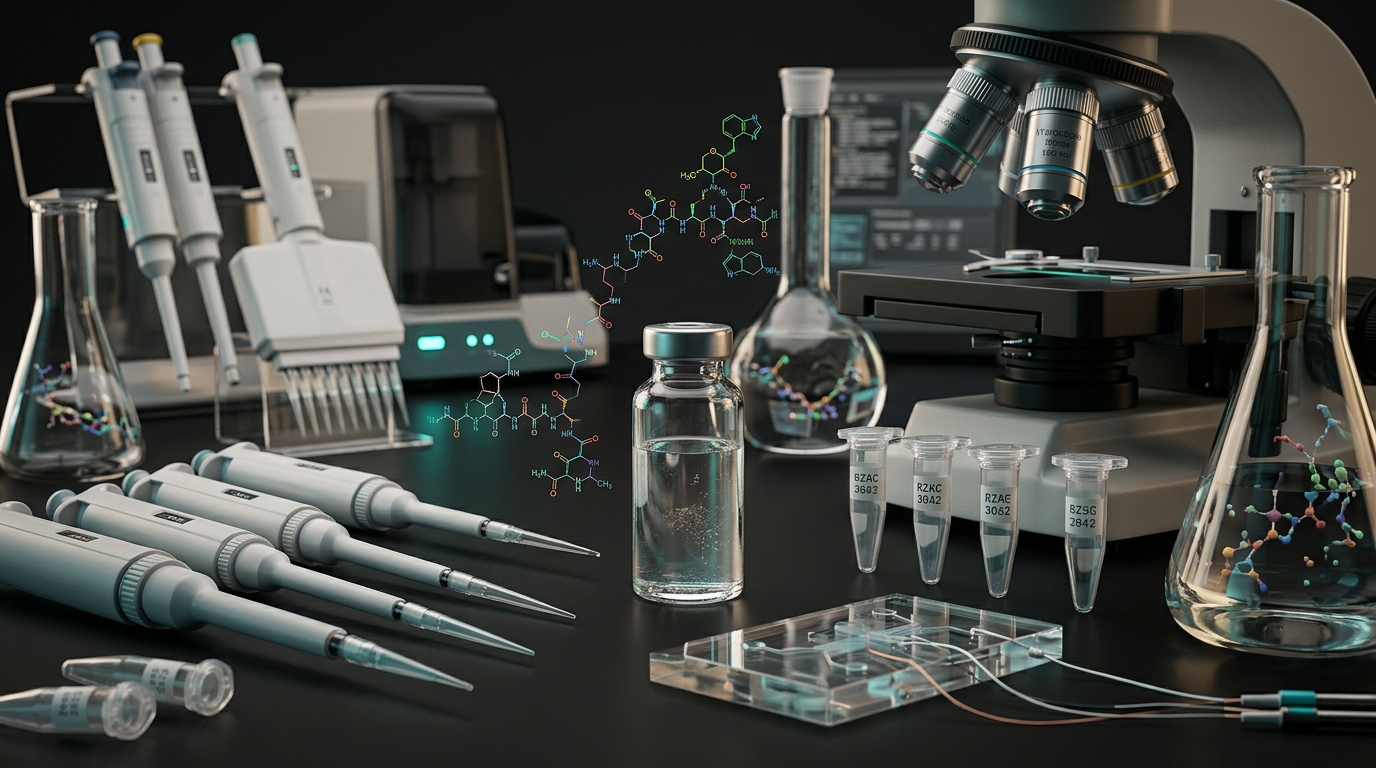
Precision research peptides refer to synthetically produced chains of amino acids designed to meet exact specifications regarding sequence length, purity, and molecular weight. In the context of biochemical research, 'precision' denotes the rigorous control of peptide synthesis, ensuring that the final product mirrors the intended primary structure without significant deletion sequences or truncated side chains.
These compounds serve as fundamental tools in molecular biology, pharmacology, and cell signaling studies. By utilizing peptides synthesized to high tolerances, researchers can isolate specific biological interactions, facilitating a more granular understanding of protein-protein interfaces and enzymatic activities.
The Biochemistry of Peptide Synthesis and Purity
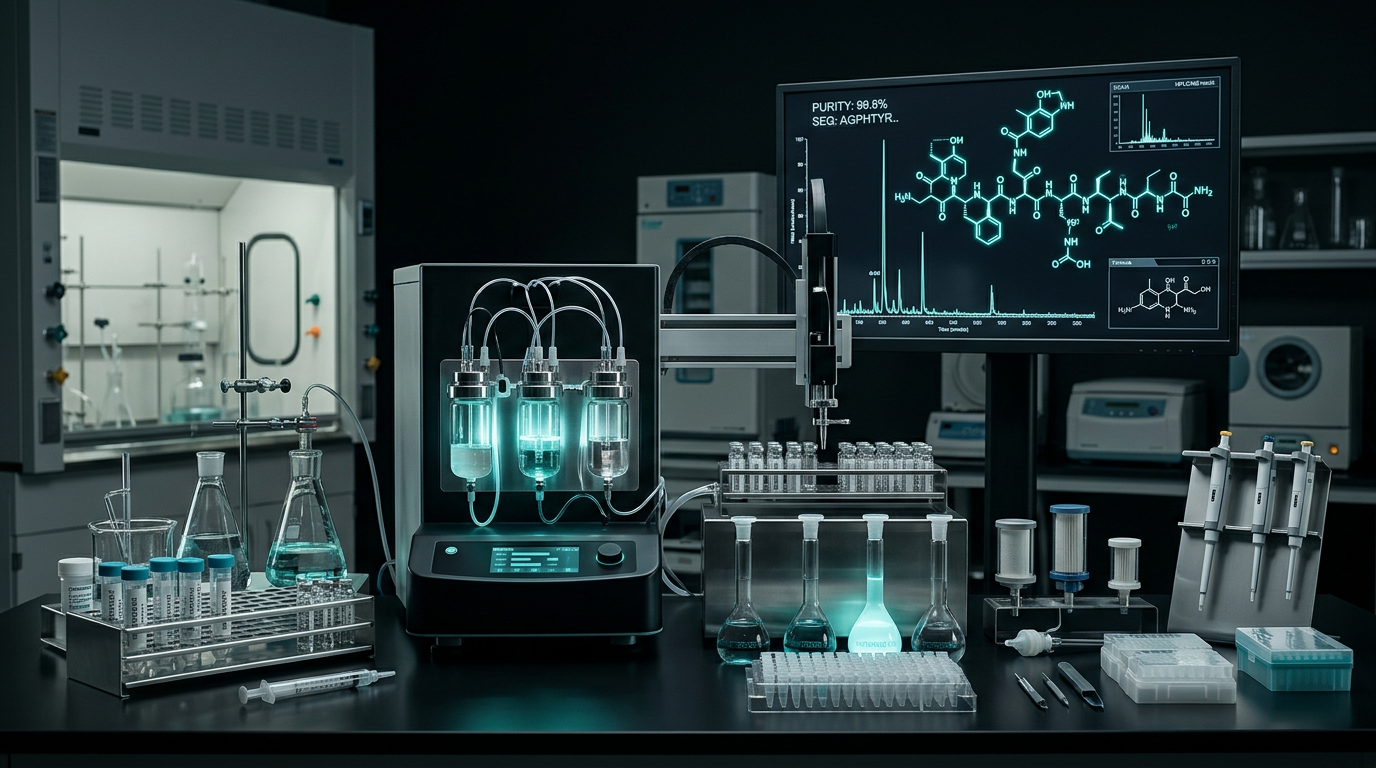
The production of precision research peptides typically involves Solid-Phase Peptide Synthesis (SPPS), where amino acids are added sequentially to a resin-bound chain. The precision of this process is governed by the efficiency of coupling reactions and the periodic removal of protecting groups. Even minor deviations in these cycles can lead to diastereomeric impurities, making analytical verification essential.
High-Performance Liquid Chromatography (HPLC) and Mass Spectrometry (MS) are the primary modalities used to confirm the identity and purity of these molecules. A precision-grade peptide generally exhibits a purity level exceeding 98%, ensuring that observed experimental data are attributable to the target sequence rather than by-products of the synthesis process.
Applications in Quantitative Bioanalysis
In the laboratory, precision research peptides are frequently employed as reference standards and substrates for characterizing receptor-ligand affinities. Because these peptides have predictable secondary and tertiary folding patterns under specific physiological conditions, they allow researchers to model how larger proteins might behave in vivo without the complexity of full-length macromolecular structures.
Furthermore, they are instrumental in structural biology for defining epitope mapping and creating specific antibodies. Their controlled synthesis allows for the introduction of modifications, such as phosphorylation or fluorophore labeling, which are critical for tracking molecular pathways in controlled laboratory environments.
Laboratory Handling and Stability Considerations
Maintaining the integrity of precision research peptides requires adherence to strict storage protocols. Lyophilized peptides are generally stable at -20°C; however, once reconstituted, they are susceptible to enzymatic degradation and oxidation. Researchers must use sterile, deionized water or buffered solutions, depending on the peptide's solubility profile, to prevent precipitation or aggregation.
Precision in experimental results also depends on minimizing freeze-thaw cycles, which can denature the peptide structure. Aliqouting the stock solution immediately after reconstitution is a standard laboratory practice to preserve the chemical potency and structural fidelity of the compound over the duration of a study.
Research Use Only Disclaimer
The precision research peptides discussed in this article are intended strictly for laboratory research and developmental purposes. They have not been approved for human or veterinary use, nor are they intended for therapeutic, diagnostic, or clinical applications.
All experimental procedures involving these compounds must be conducted by qualified professionals within a controlled laboratory setting. Laboratory personnel are responsible for adhering to all safety guidelines and regulatory requirements regarding the handling and disposal of synthetic peptides.
More questions?
Ask our Support Team — they can answer follow-up questions about this topic, COAs, storage, or anything else in the research library.
Tap the "Chat with us" tab on the right edge of any page.