Introduction to Truecorelab Research Protocols
In the field of peptide synthesis and biochemical analysis, the Truecorelab framework represents a commitment to high-resolution data and rigorous experimental consistency. Laboratory research requires reagents that exhibit high purity levels, typically verified through sophisticated instrumentation to ensure that experimental variables remain controlled.
The application of these standards allows researchers to investigate the structural and functional properties of synthetic peptides without the interference of unintended contaminants or truncated sequences. By focusing on stringent verification, the Truecorelab approach facilitates reproducible outcomes in diverse in vitro and in vivo models.
Analytical Verification and Purity Assessment
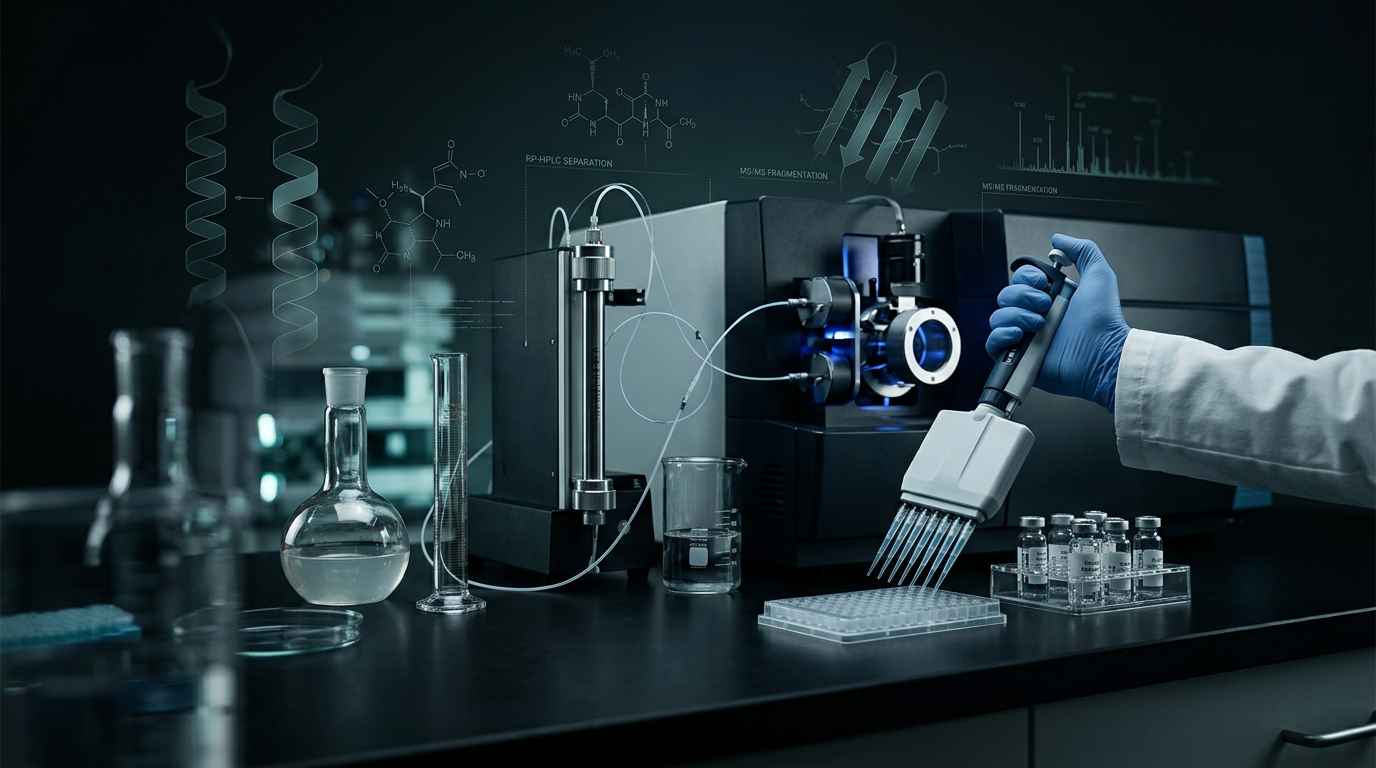
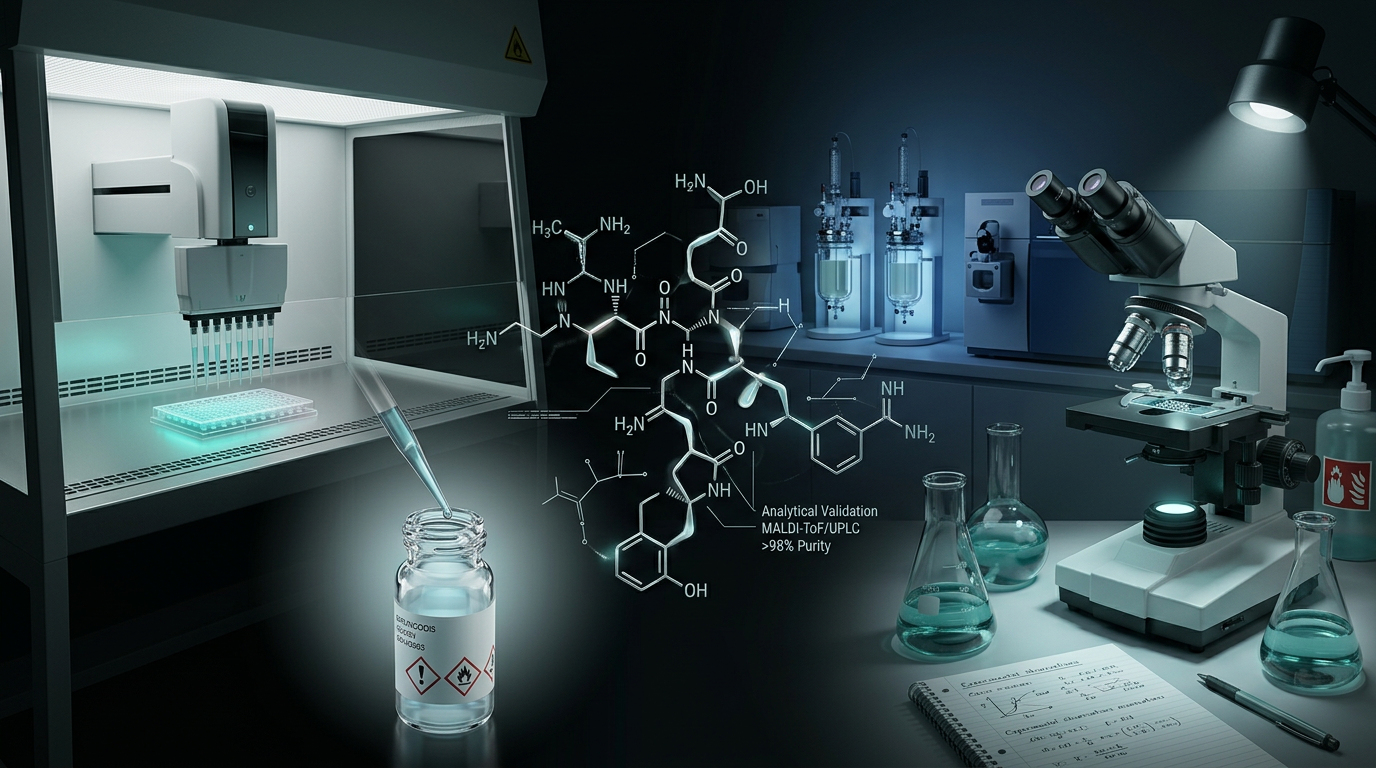
The cornerstone of the Truecorelab methodology involves a dual-track verification process using High-Performance Liquid Chromatography (HPLC) and Mass Spectrometry (MS). HPLC is utilized to determine the chemical purity of the peptide by separating the target molecule from any residual solvents or synthesis byproducts, ensuring a profile that meets or exceeds 98% purity.
Mass Spectrometry further validates the identity of the compound by confirming the molecular weight of the peptide sequence. This ensures that the amino acid assembly matches the intended theoretical mass, providing researchers with the confidence required for quantitative analysis and structural biology applications.
Thermodynamic Stability and Storage Parameters
Peptides are inherently sensitive to environmental fluctuations, which can lead to deamidation, oxidation, or hydrolysis. Following Truecorelab guidelines, peptides are generally lyophilized into a stable powder form to minimize kinetic energy and prevent degradation during transit and long-term storage.
For optimal preservation of secondary and tertiary structures, compounds should be stored at temperatures of -20°C or -80°C. Researchers must also account for the hygroscopic nature of lyophilized cakes, ensuring that vials reach room temperature before opening to prevent atmospheric moisture titration, which can affect the accuracy of micro-gram measurements.
Practical Implications for Laboratory Design
When integrating Truecorelab-grade materials into an experimental design, researchers must consider the reconstitution phase as a critical control point. The choice of diluent—whether bacteriostatic water, sterile saline, or an acetic acid solution—depends heavily on the peptide's isoelectric point and overall hydrophobicity.
Accurate pipetting and the use of low-protein-binding plastics are recommended to prevent the loss of material through surface adsorption. These technical considerations ensure that the concentration delivered in the experimental model aligns precisely with the calculated dosage, maintaining the integrity of the resulting data sets.
Laboratory Research Use Only Disclaimer
The information provided regarding Truecorelab protocols is intended strictly for academic and laboratory research purposes. These peptides and analytical standards are not intended for human or veterinary use, nor are they designed for the diagnosis, treatment, or prevention of any disease.
All biochemical substances must be handled by qualified professionals in a controlled laboratory environment. This article does not constitute medical advice or a recommendation for clinical application; the use of these materials is restricted to in vitro testing and animal model research conducted under appropriate institutional oversight.
More questions?
Ask our Support Team — they can answer follow-up questions about this topic, COAs, storage, or anything else in the research library.
Tap the "Chat with us" tab on the right edge of any page.