Overview of Truecore Lab Peptides
Truecore lab peptides represent a specific category of biochemical reagents synthesized for high-precision laboratory environments. These compounds consist of short chains of amino acids linked by peptide bonds, designed to mimic or modulate physiological processes within in vitro or in vivo experimental models. The primary objective behind the development of these peptides is to provide researchers with consistent, reliable molecules that exhibit predictable binding affinities and structural stability.
In the context of modern proteomics and pharmacology, the availability of standardized reagents is critical. Truecore lab peptides are manufactured using advanced solid-phase peptide synthesis (SPPS) techniques, ensuring that each sequence is accurately constructed. This rigorous approach to synthesis minimizes the presence of truncated sequences or racemic impurities, which is essential for maintaining the integrity of experimental data across different laboratory sessions.
Synthesis and Purification Science
The production of Truecore lab peptides involves the sequential addition of protected amino acids onto a solid resin support. This process allows for the creation of complex sequences that may include hydrophobic residues or specific post-translational modifications. Each stage of the synthesis is monitored to optimize coupling efficiency, which is vital for the eventual secondary and tertiary structure of the peptide chain.
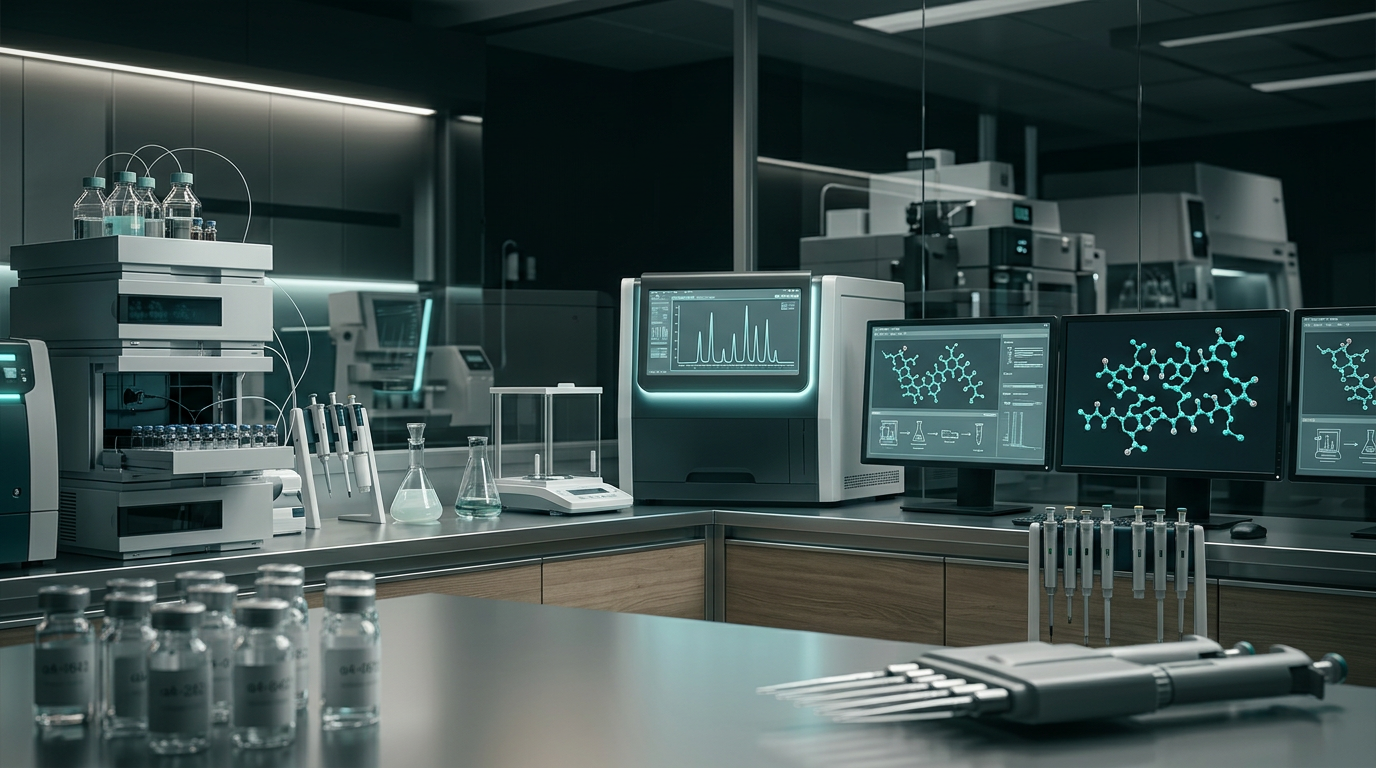
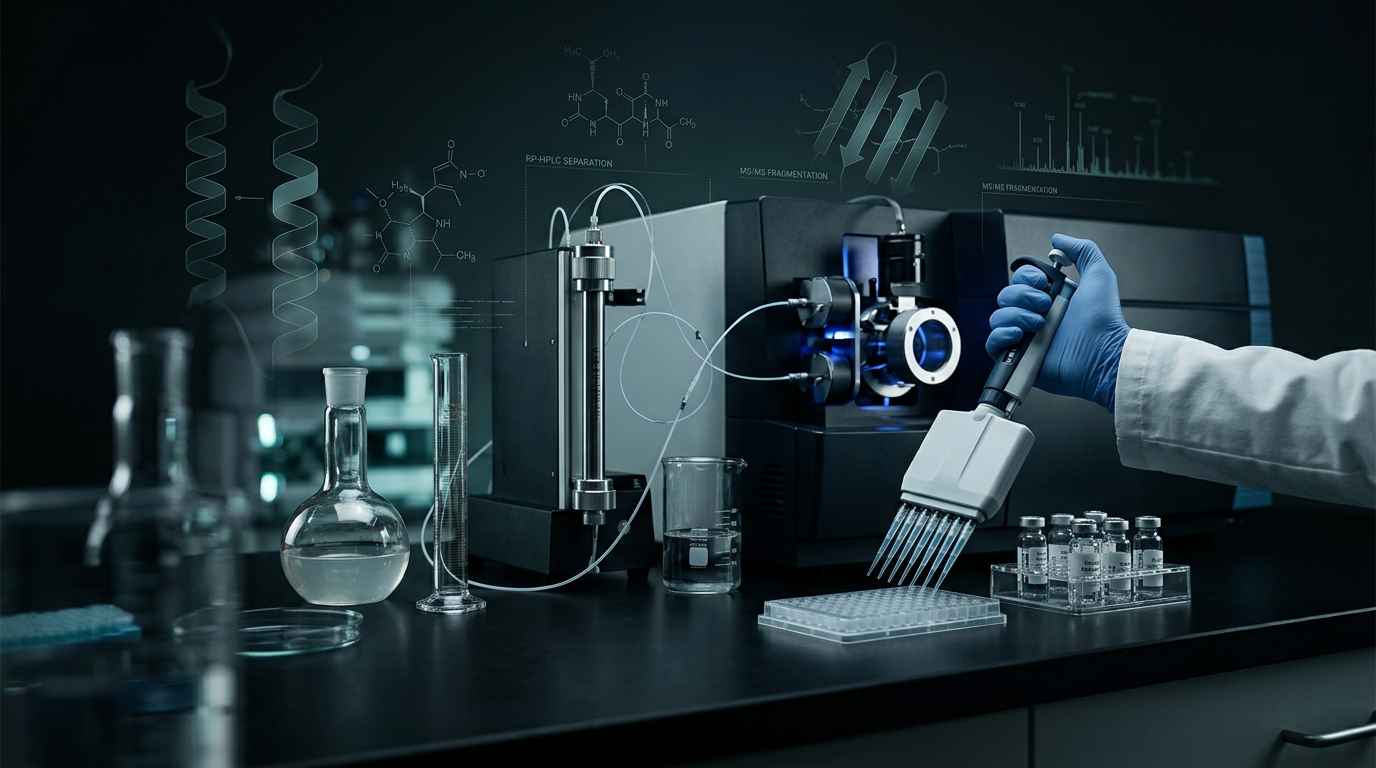
Following synthesis, purification is typically achieved through high-performance liquid chromatography (HPLC). This step separates the target peptide from any residual solvents, reagents, or side products generated during the cleavage process. Mass spectrometry (MS) is then employed to verify the molecular weight of the compound, ensuring it matches the theoretical profile. For researchers, these analytical benchmarks provide the necessary assurance that the molecular identity of the reagent is confirmed before application.
Applications in Molecular Biology
Truecore lab peptides serve as versatile tools in several scientific disciplines, including endocrinology, immunology, and oncology. In cell signaling studies, these peptides act as ligands for G-protein coupled receptors (GPCRs) or as substrates for various enzymes. By introducing these exogenous peptides into a controlled environment, scientists can observe downstream signaling cascades and gene expression changes with high specificity.
Furthermore, these peptides are frequently utilized in structural biology to map protein-protein interactions. Because they can be synthesized with specific labels—such as fluorescent tags or isotopes—they enable the visualization of molecular docking and trafficking within a cellular matrix. This allows for the characterization of binding kinetics and the determination of dissociation constants (Kd) in competitive inhibition assays.
Laboratory Handling and Storage Protocols
To maintain the biological activity and chemical stability of Truecore lab peptides, strict adherence to storage protocols is required. Most synthetic peptides are provided in a lyophilized (freeze-dried) state, which enhances their shelf life by minimizing moisture-induced degradation. It is recommended to store these vials at -20°C or -80°C to prevent hydrolysis and oxidation of sensitive residues like methionine or cysteine.
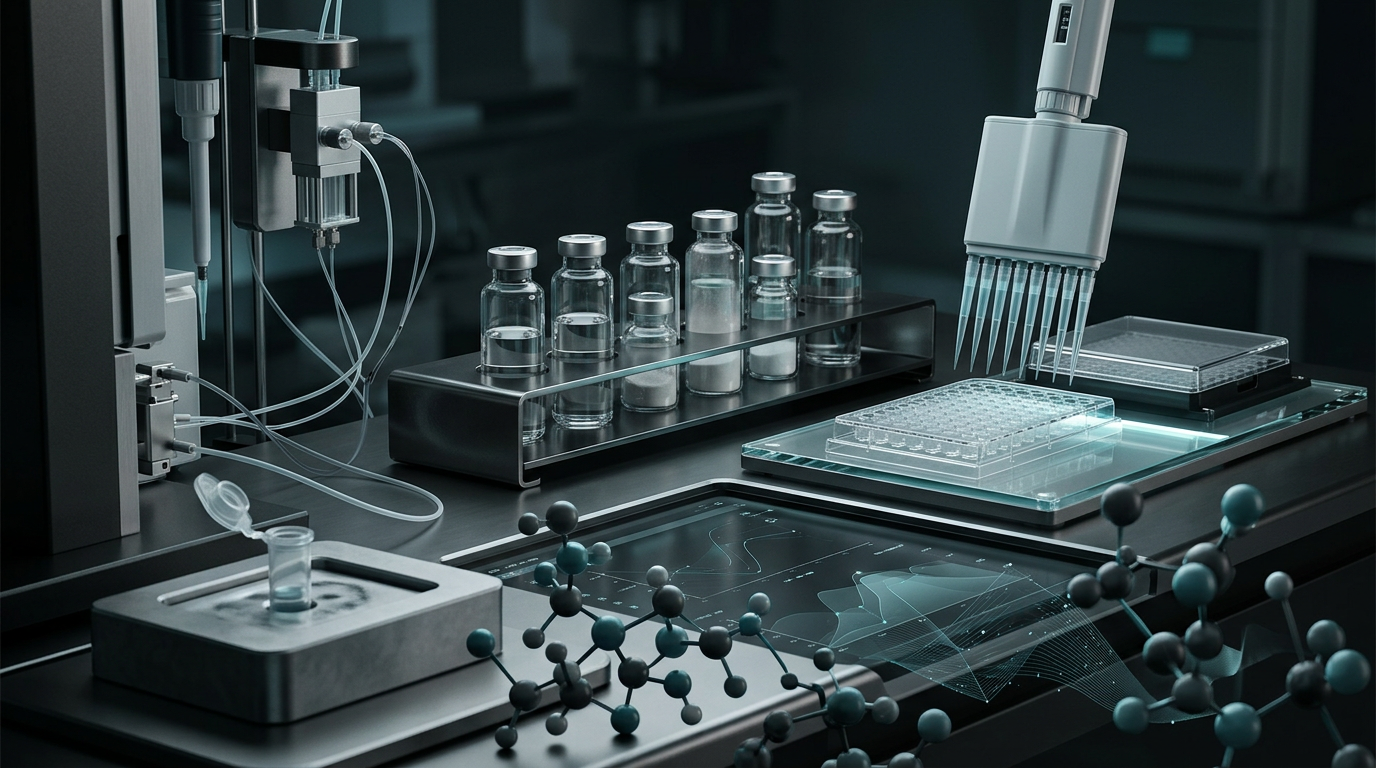
When preparing for an experiment, researchers should perform reconstitution using sterile, deionized water or an appropriate buffer based on the peptide's isoelectric point (pI). Avoiding repeated freeze-thaw cycles is essential, as the resulting thermal stress can lead to peptide aggregation or denaturation. Utilizing single-use aliquots is the standard laboratory practice to ensure the consistency of the reagent throughout a longitudinal study.
Research Use Only Disclaimer
The information provided regarding Truecore lab peptides is intended strictly for educational and laboratory research purposes. These compounds are explicitly synthesized for use in controlled research settings and are not intended for human consumption, therapeutic use, or diagnostic procedures. No part of this text should be interpreted as medical advice or a recommendation for clinical application.
It is the responsibility of the investigator to ensure that the use of these peptides complies with all local, institutional, and federal regulations. Laboratory safety equipment and proper chemical handling procedures must be employed at all times when working with synthetic peptide reagents.
More questions?
Ask our Support Team — they can answer follow-up questions about this topic, COAs, storage, or anything else in the research library.
Tap the "Chat with us" tab on the right edge of any page.